Learn selected flags of Europe, plus each place’s formal name and what its people call it at home.
55 flags · formal names, native names with IPA, and fun facts.
Flags of Europe: 55 selected entries with flag images, formal names, native names with IPA pronunciation, and short facts.
1
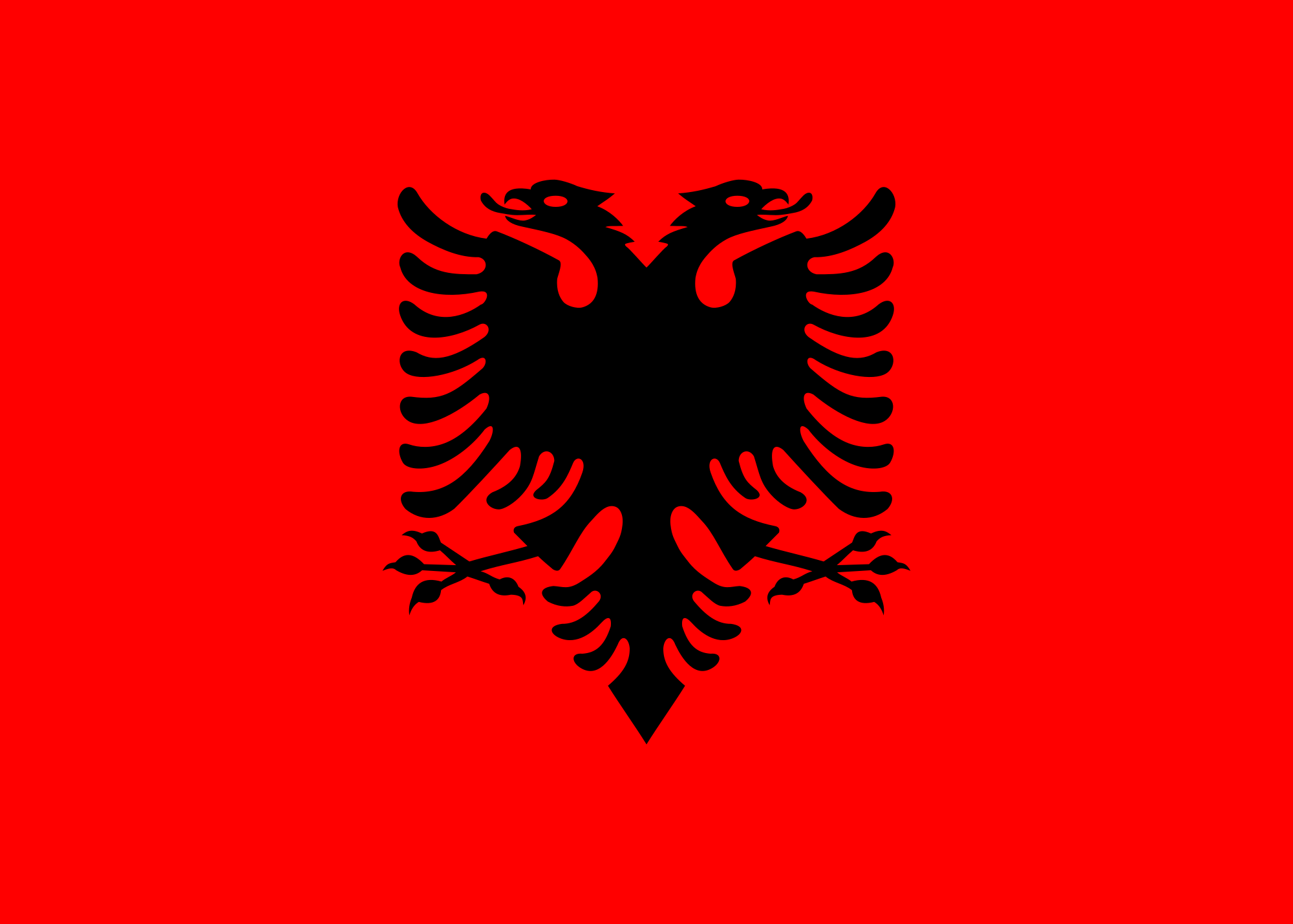
Albania
English name
Formal nameRepublic of Albania
Good to know: The English name is associated with the Albani, an ancient Illyrian tribe. Albanians call their country Shqipëria and themselves shqiptarë.
Similar flags:Montenegro
2
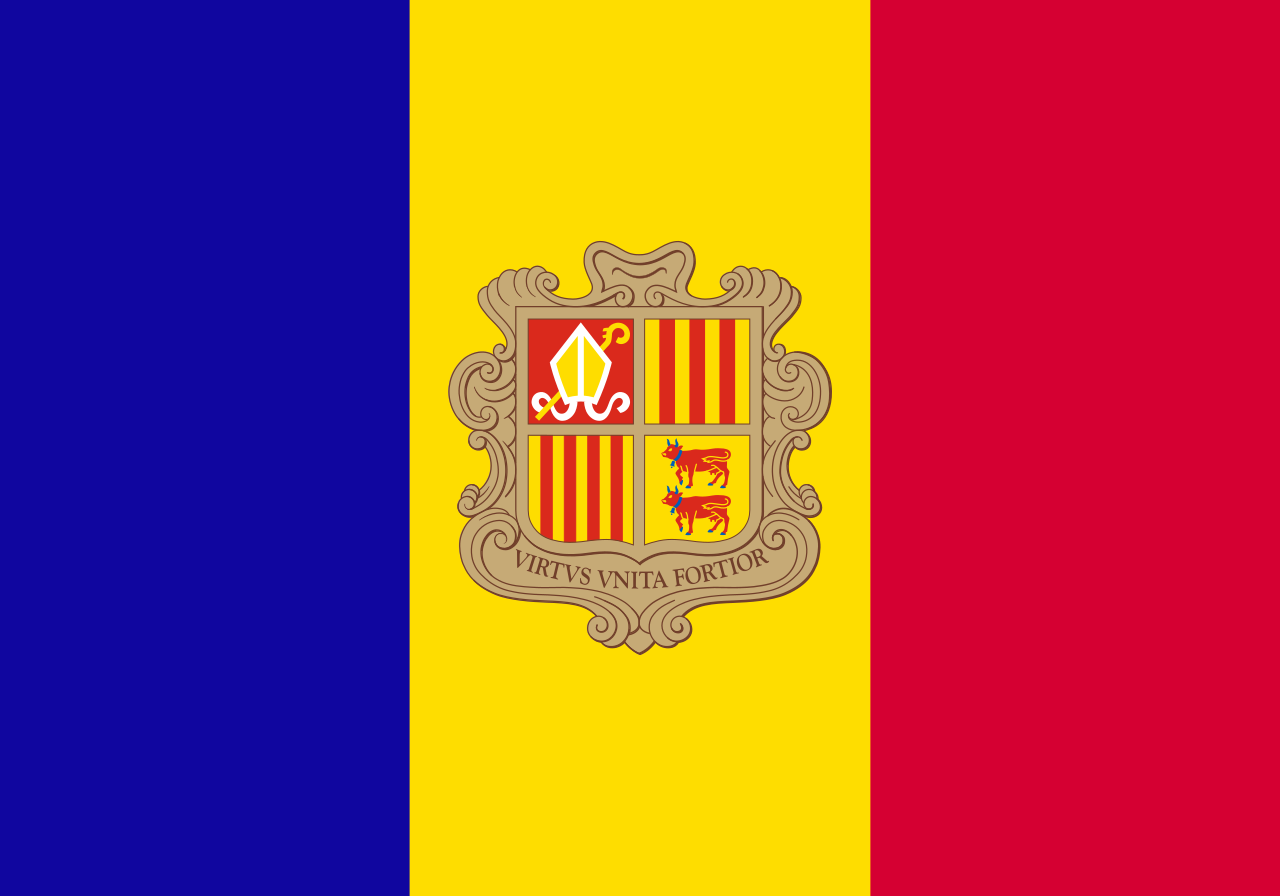
Andorra
English name
Formal namePrincipality of Andorra
Good to know: Its two co-princes are the French president and the Bishop of Urgell.
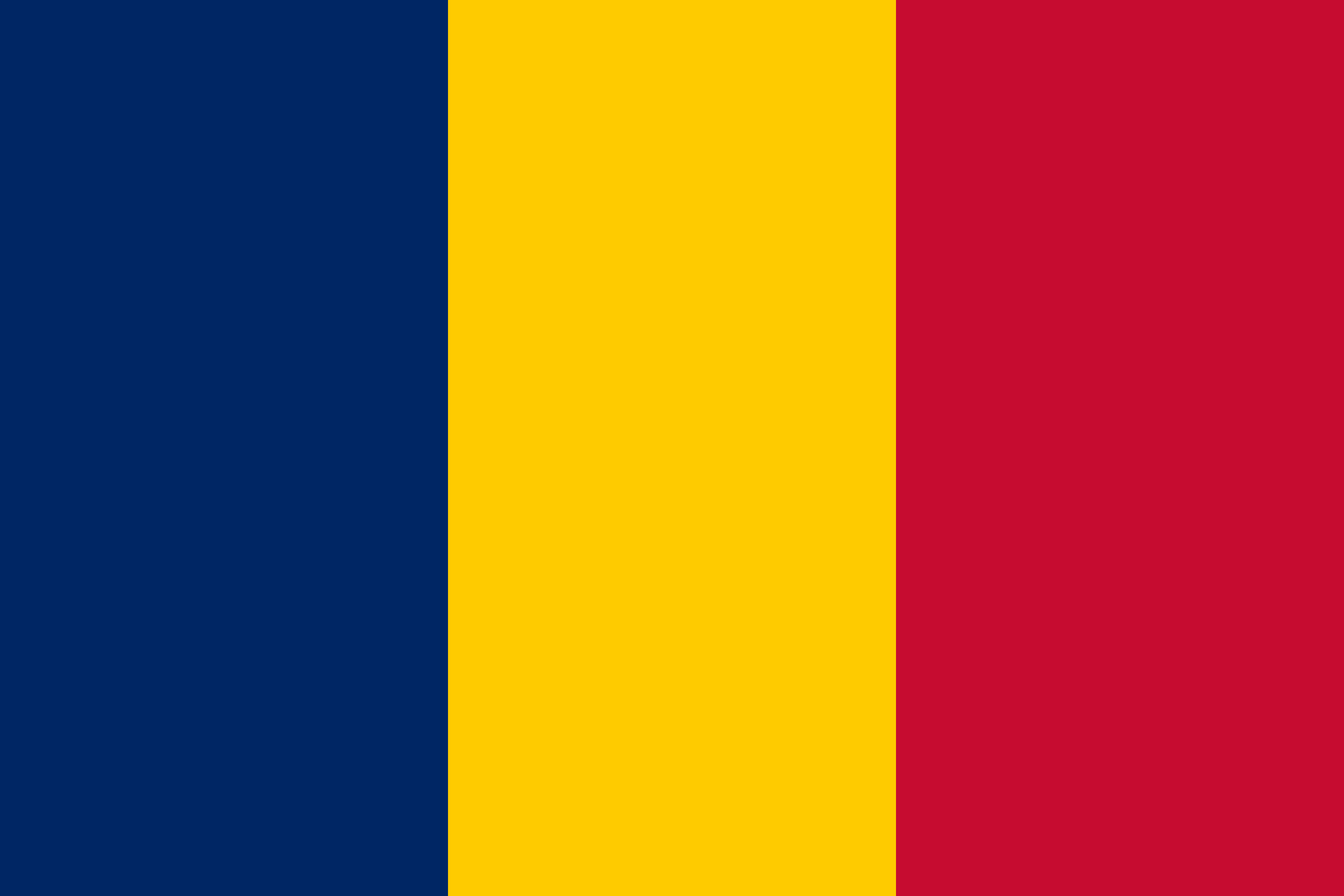
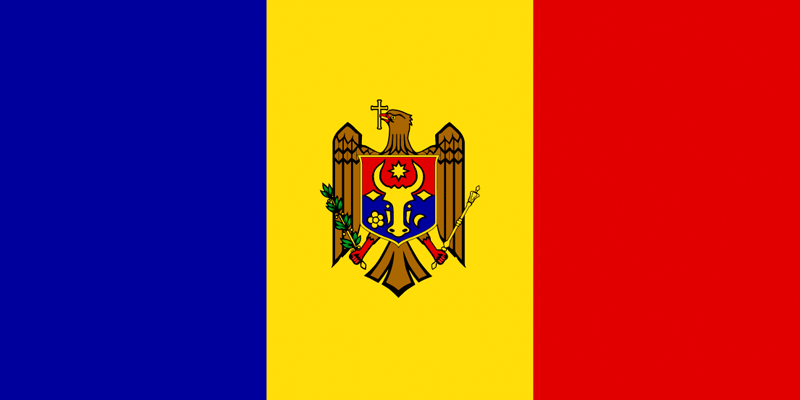
Similar flags:RomaniaChadMoldova
3
Austria
English name
Formal nameRepublic of Austria
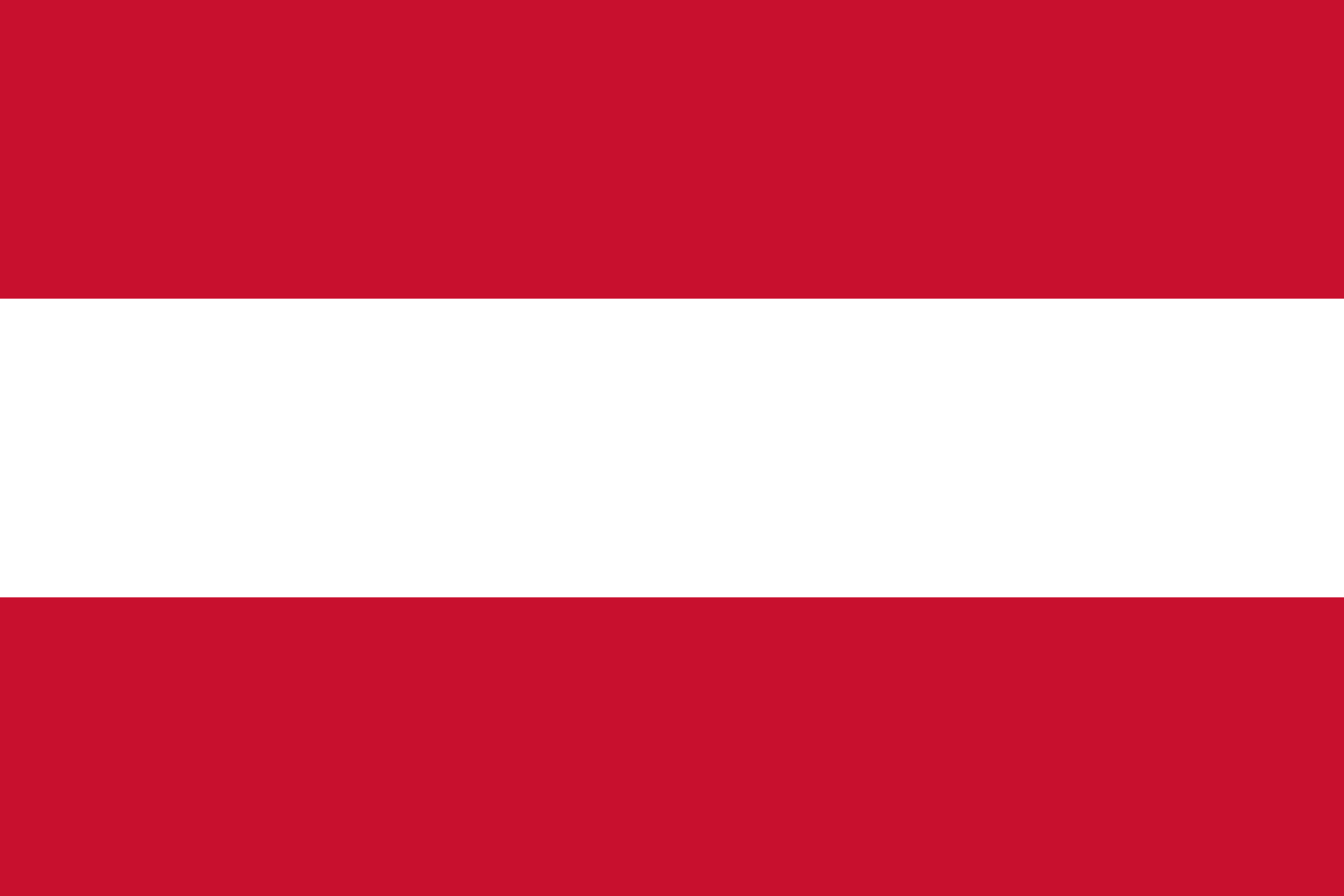
Good to know: The name means "eastern realm", from the Old High German Ostarrîchi, first recorded in 996. A legend says the red-white-red flag comes from Duke Leopold V, whose white tunic was soaked in blood except where his belt had been.
Similar flags:Latvia
4
Belarus
English name
Formal nameRepublic of Belarus
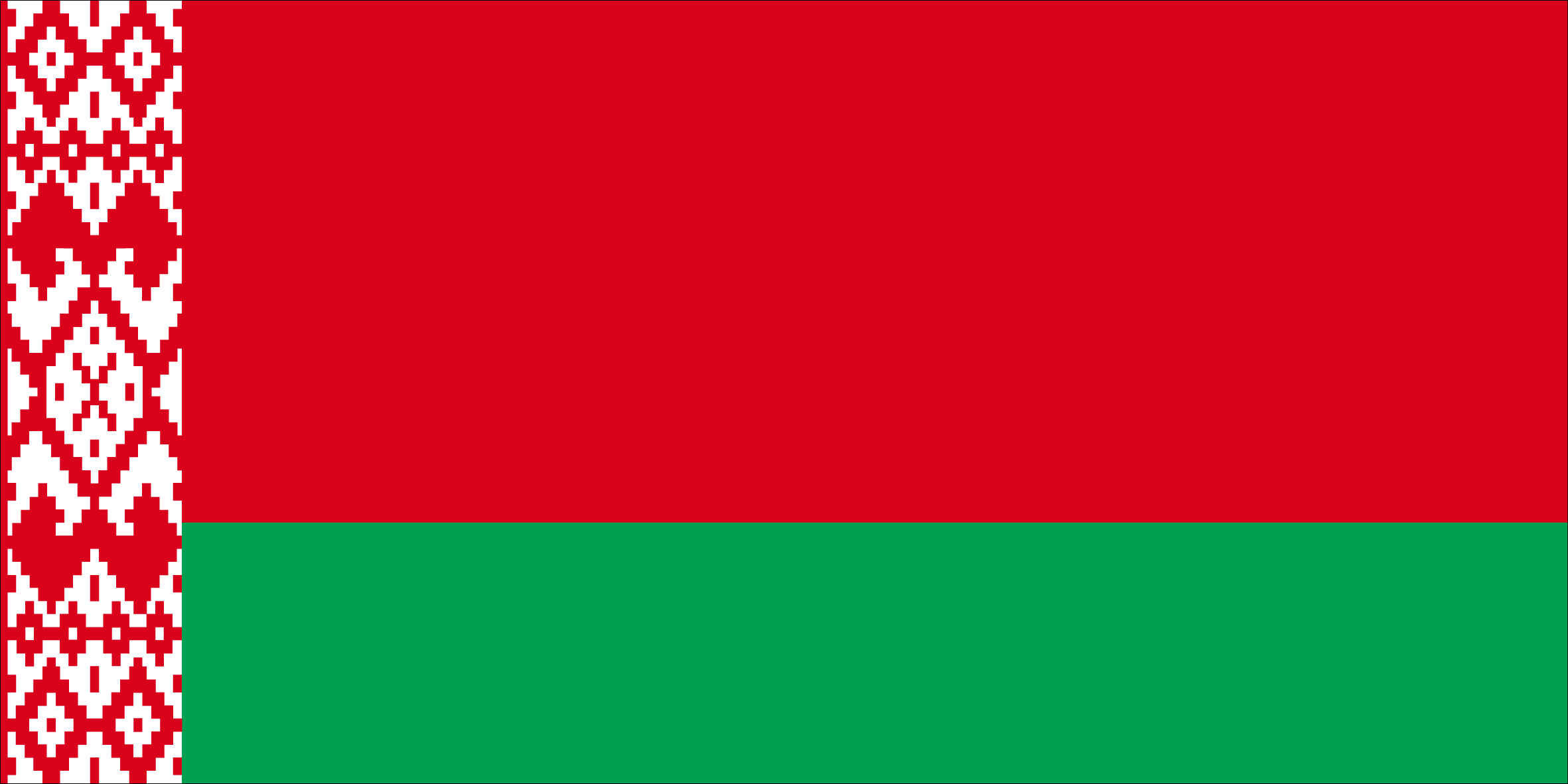
Good to know: The white-and-red ornament at the hoist is based on a traditional woven pattern. The flag was adopted in 1995.
5
Belgium
English name
Formal nameKingdom of Belgium
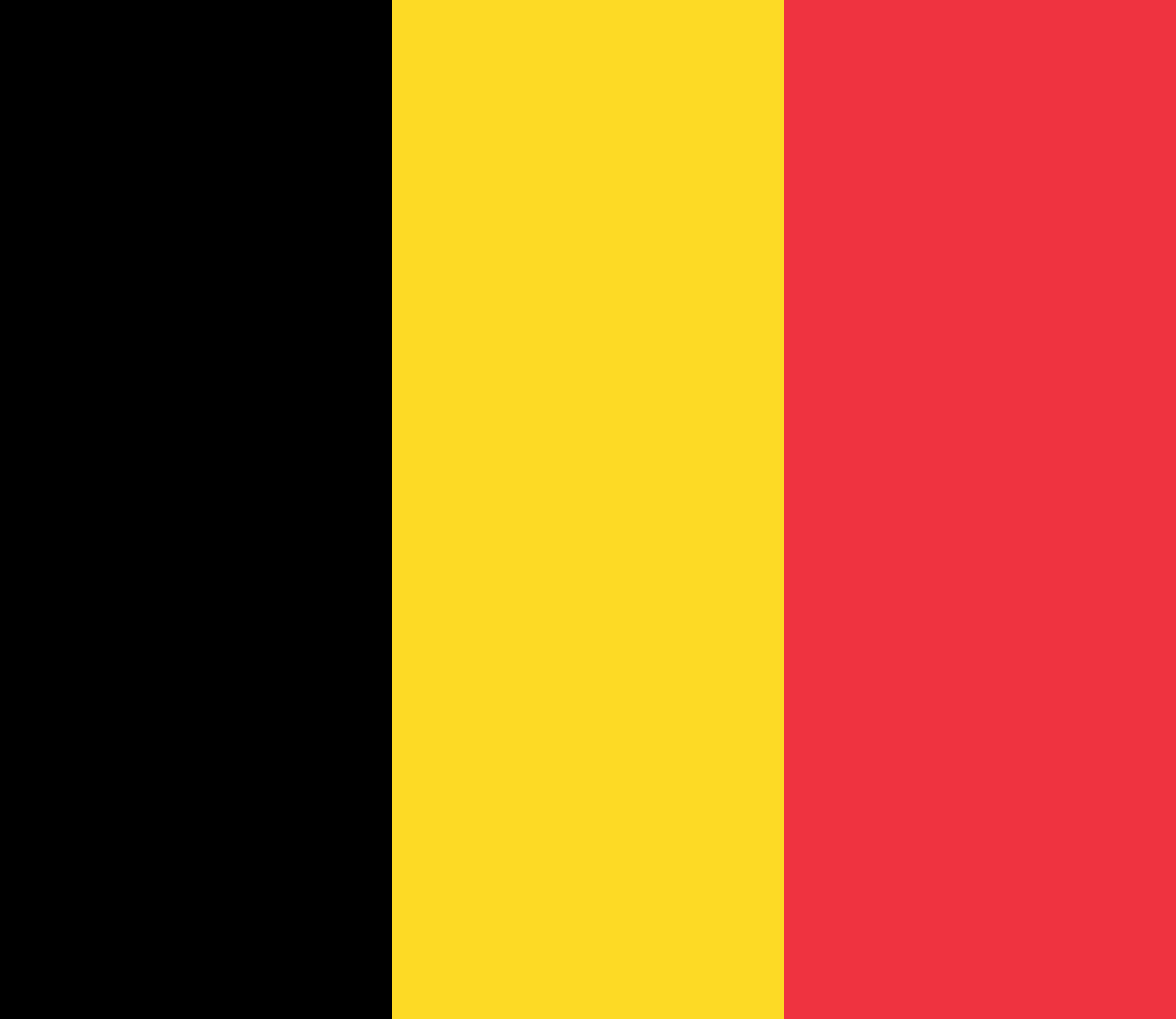
Good to know: The name comes from the Belgae, an ancient people of the region mentioned by Julius Caesar. The flag's black, yellow and red come from the arms of the Duchy of Brabant.
Similar flags:Germany
6
Bosnia and Herzegovina
English name
Formal nameBosnia and Herzegovina
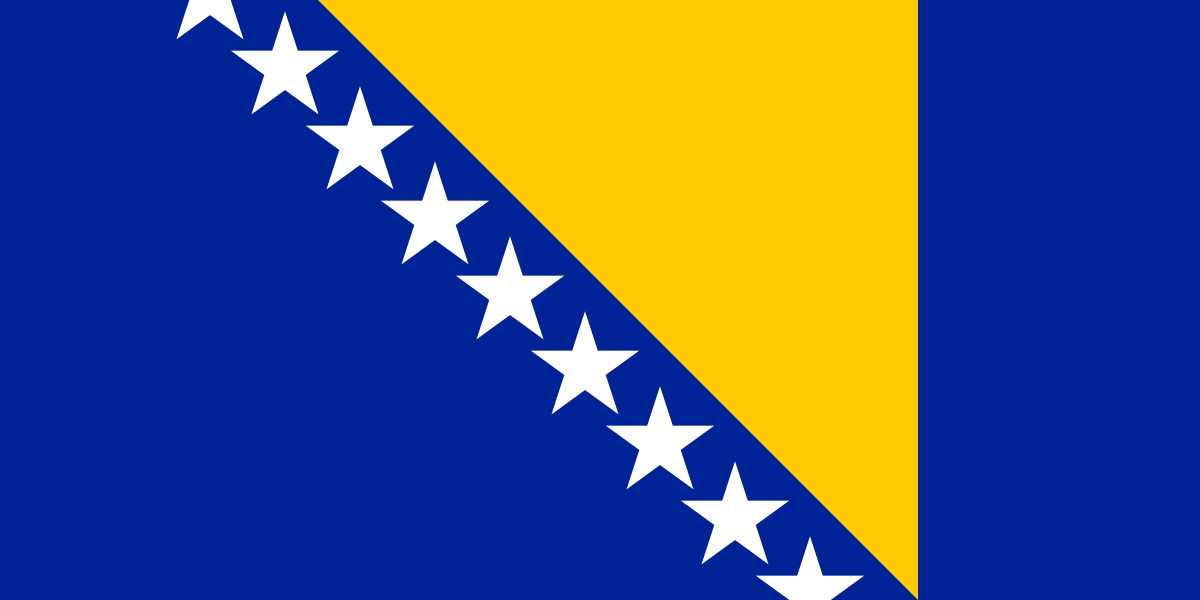
Good to know: "Herzegovina" comes from the German Herzog, "duke", after a 15th-century duke who ruled the region. The yellow triangle is commonly understood to reflect the country's shape and its three constituent peoples; the stars symbolize Europe and extend beyond the flag's edge.
Similar flags:Kosovo
7
Bulgaria
English name
Formal nameRepublic of Bulgaria
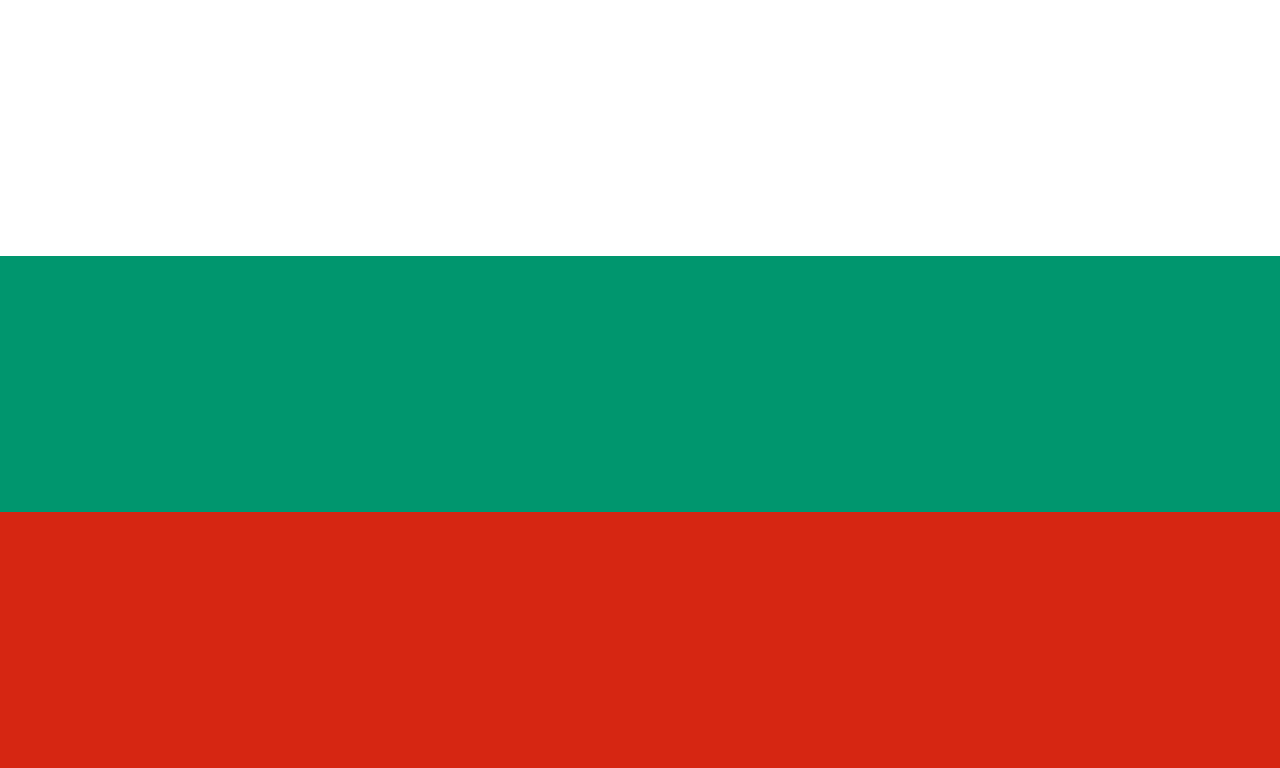
Good to know: The name comes from the Bulgars. The white-green-red flag was first adopted in 1879 and readopted in 1990.
Similar flags:Hungary
8
Croatia
English name
Formal nameRepublic of Croatia
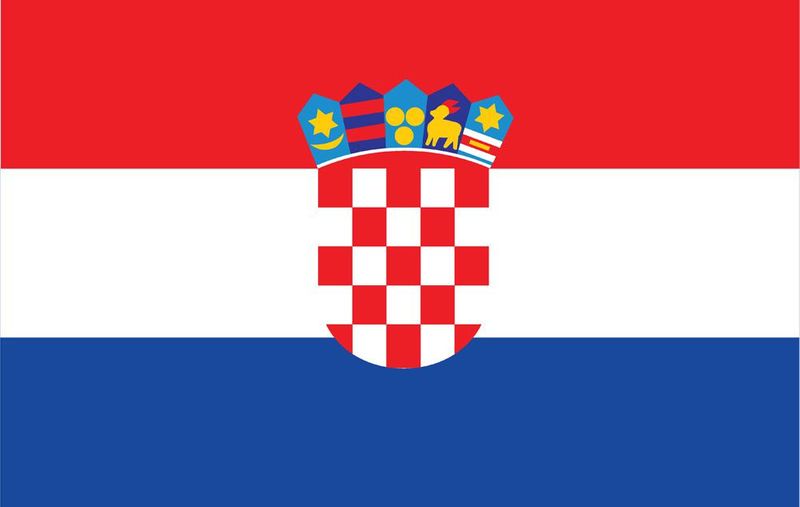
Good to know: The English name "Croatia" comes from the Latin Croatia, a form of the native name Hrvat.
Similar flags:RussiaSerbiaSlovakiaSlovenia
9
Cyprus
English name
Formal nameRepublic of Cyprus
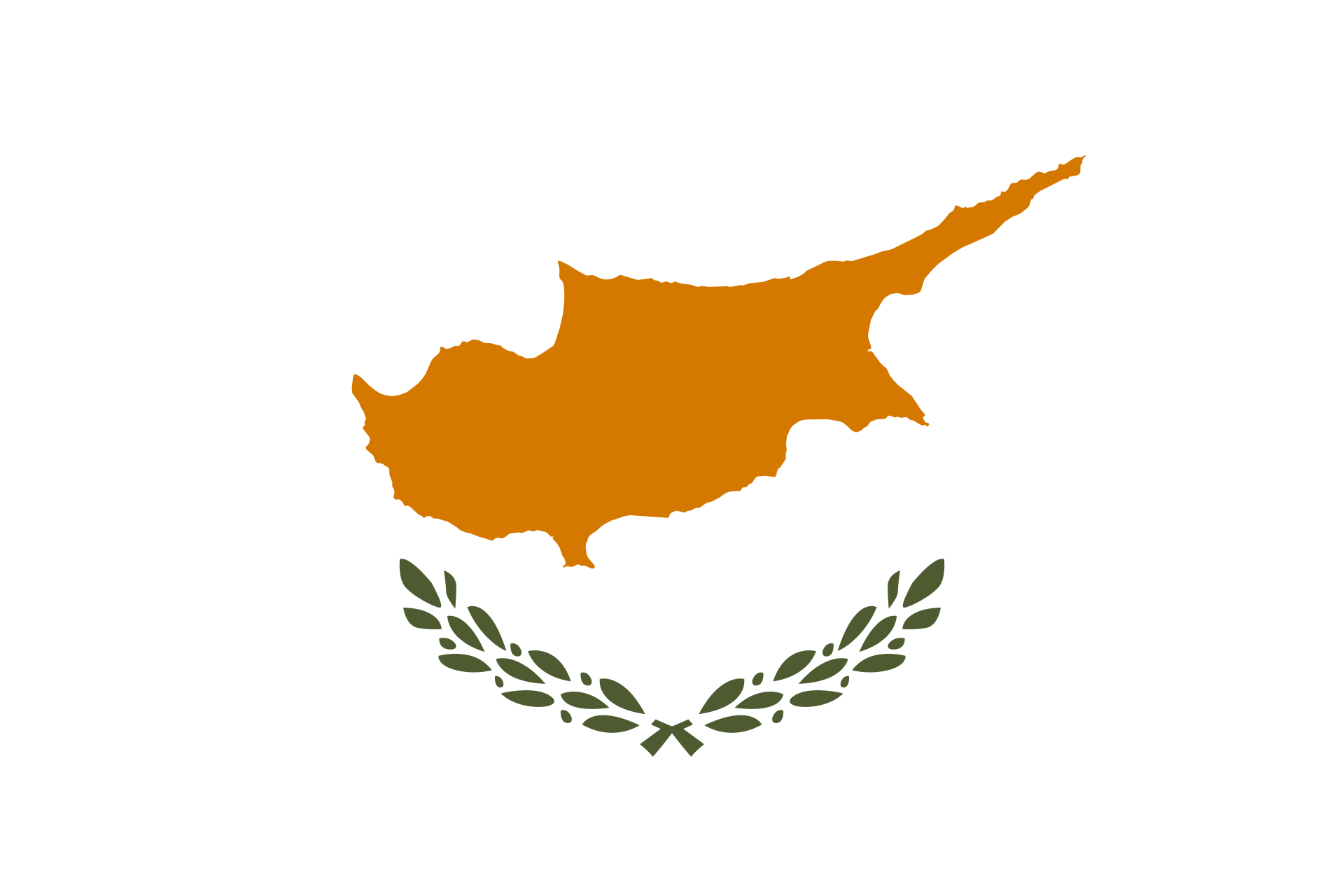
Good to know: The island was famous for its copper in ancient times, and the metal's Latin name cuprum comes from Cyprium aes, "Cyprian metal".
Similar flags:Kosovo
10
Czech Republic
English name
Formal nameCzech Republic
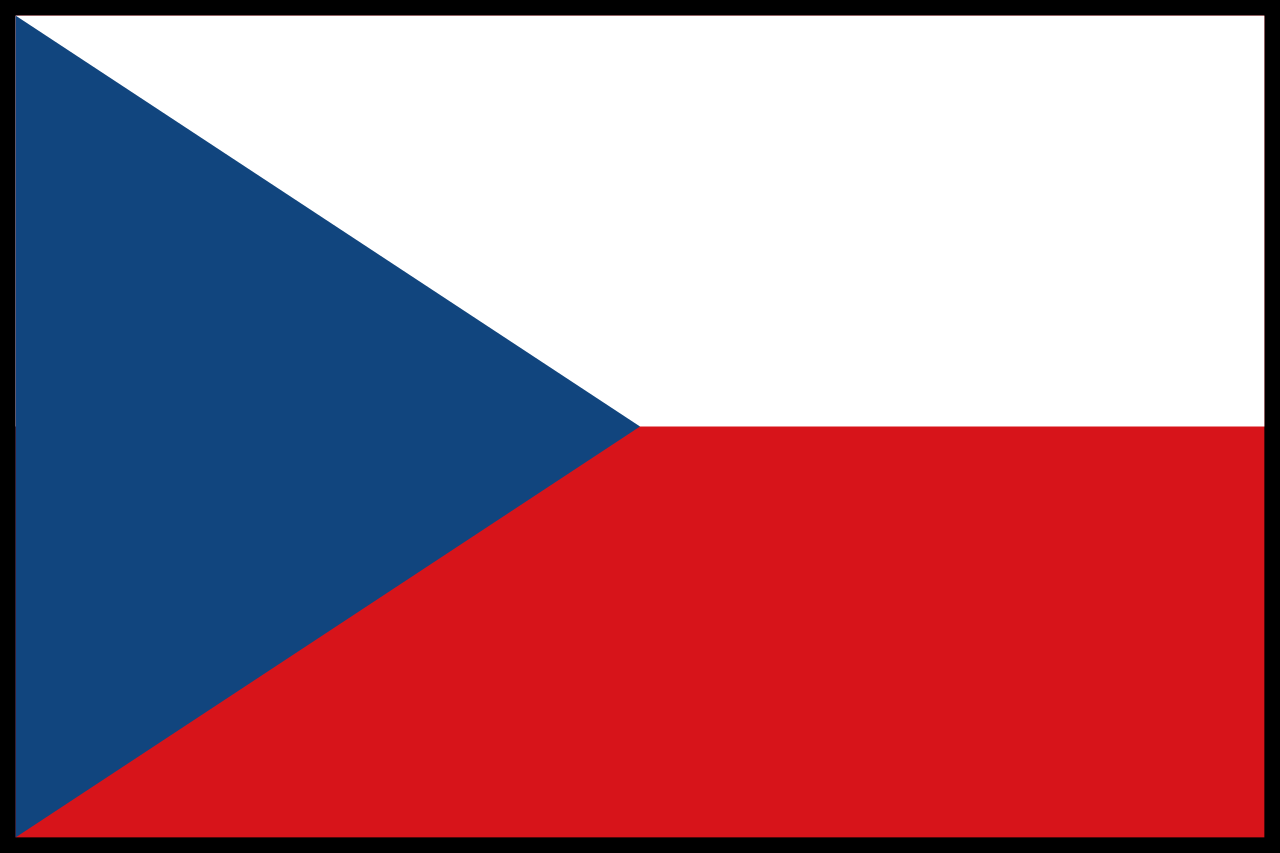
Good to know: "Czechia" is the official short name, registered with the UN in 2016. The blue triangle on the flag was added to set it apart from Poland's.
11
Denmark
English name
Formal nameKingdom of Denmark
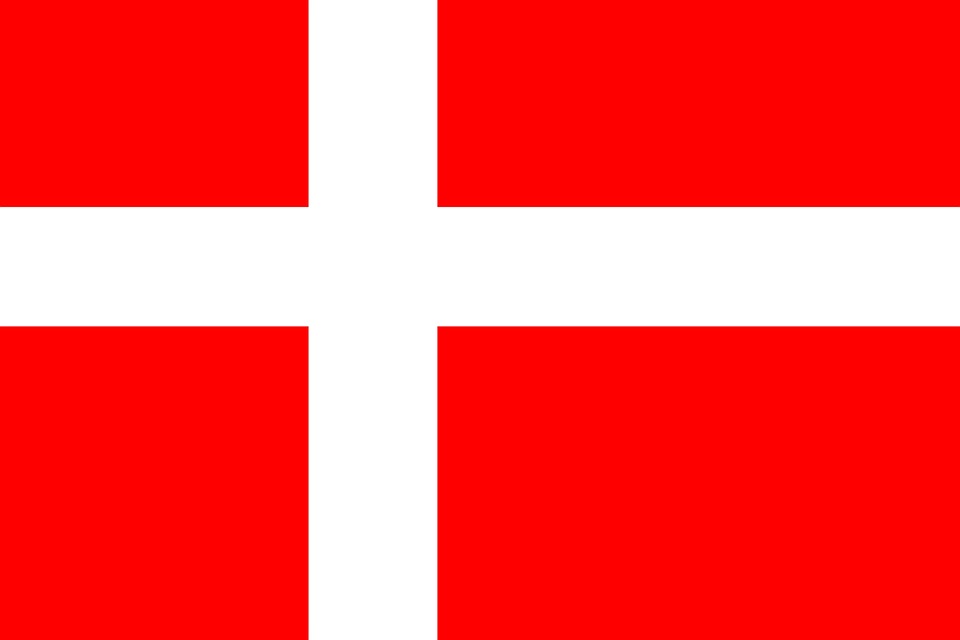
Good to know: A legend says the Dannebrog fell from the sky during a battle in Estonia in 1219, and the Danes then won. Its white cross on red inspired the Nordic cross design later adopted by other Nordic countries.
Similar flags:SwedenNorwayFinlandFaroe IslandsIceland
12
Estonia
English name
Formal nameRepublic of Estonia
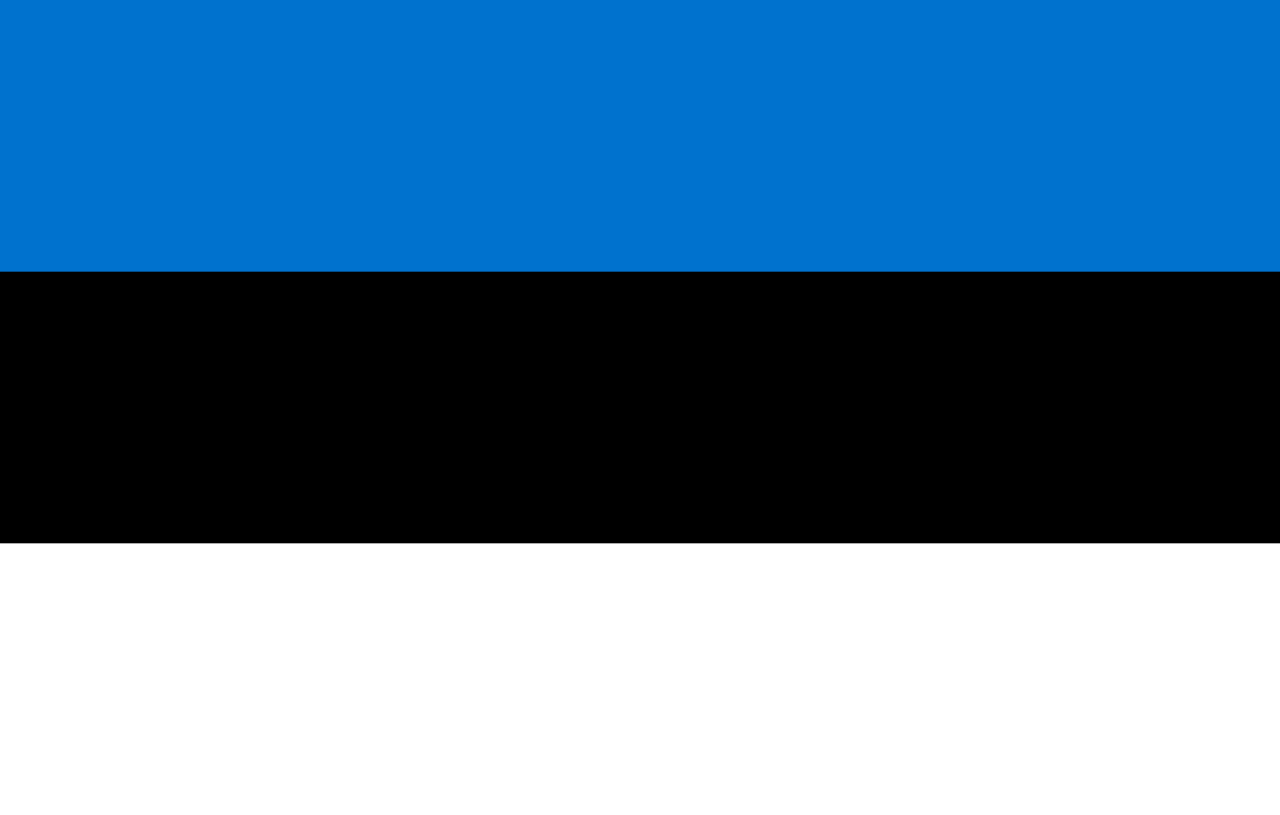
Good to know: The name is often linked to the Aestii, a people mentioned by the Roman writer Tacitus around AD 98. The blue-black-white flag was first used in 1884, became the national flag in 1918 and was restored in 1990.
13
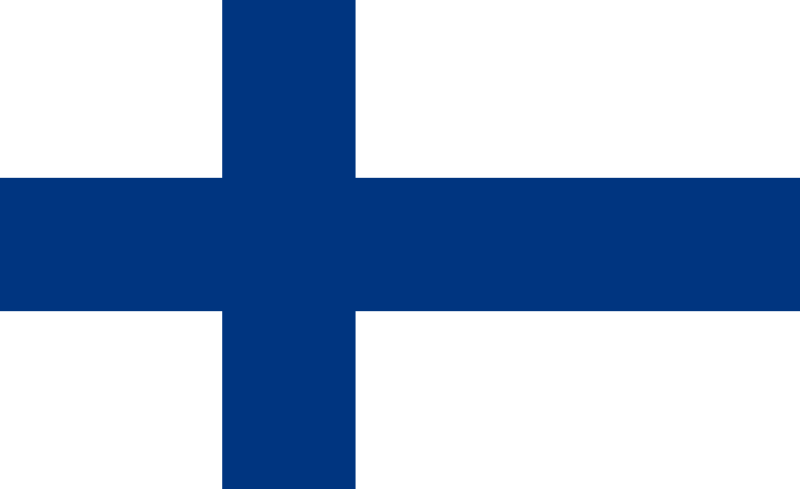
Finland
English name
Formal nameRepublic of Finland
Good to know: Finns call their country Suomi. "Finland" is the form used in English and several other languages; its origin is unclear. On the flag, the blue cross is often said to stand for the lakes and sky, and the white for snow.
Similar flags:SwedenDenmarkNorwayIcelandFaroe Islands
14
France
English name
Formal nameFrench Republic
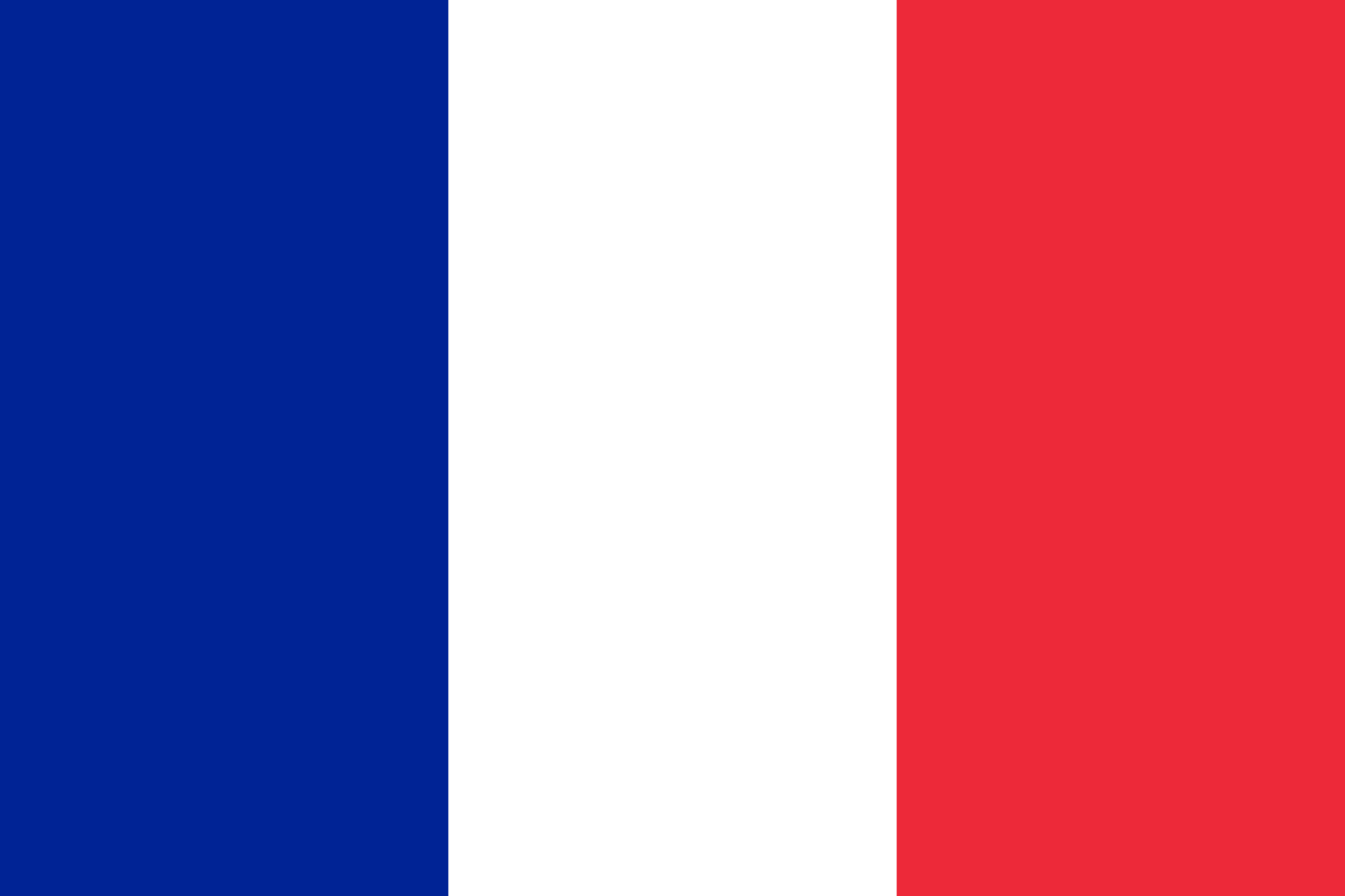
Good to know: The country is named after the Franks, a Germanic people. The flag is called le drapeau tricolore. Blue and red are the colours of Paris and white is the colour of the old royal house.
Similar flags:Italy
15
Germany
English name
Formal nameFederal Republic of Germany
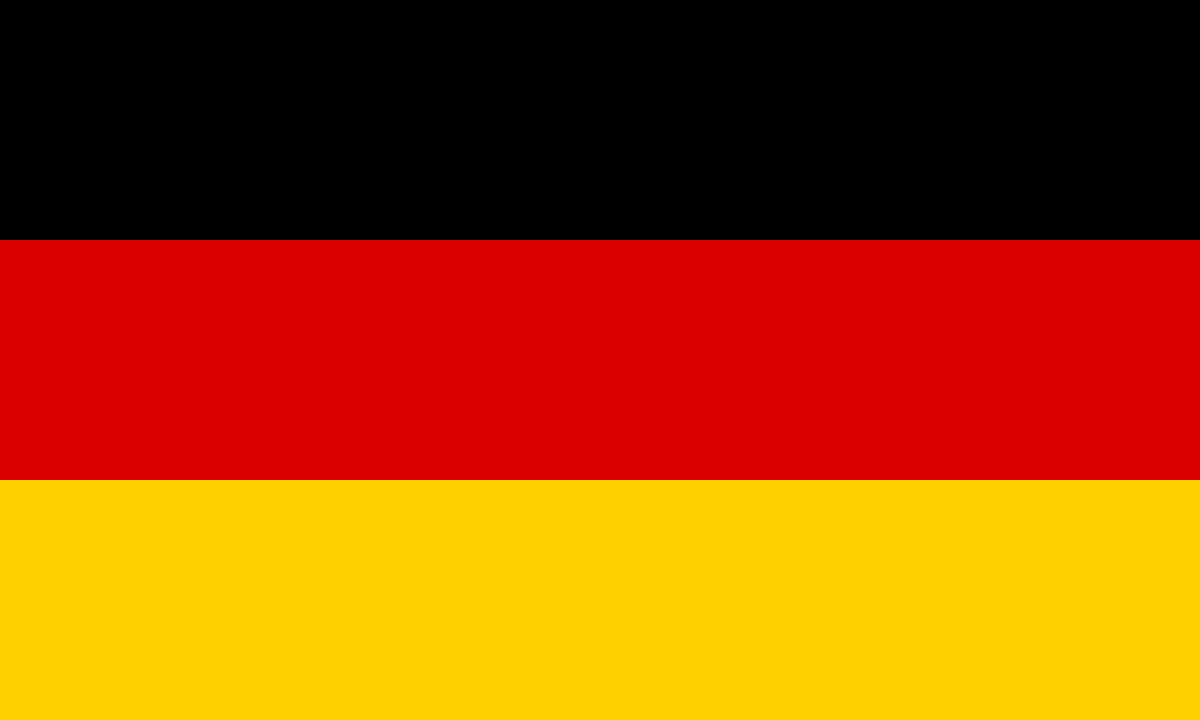
Good to know: "Germany" comes from the Latin Germania. The German-language name Deutschland comes from diutisc, "of the people". The black, red and gold colours are traditionally linked to the uniforms of the Lützow Free Corps, which fought Napoleon.
Similar flags:Belgium
16
Greece
English name
Formal nameHellenic Republic
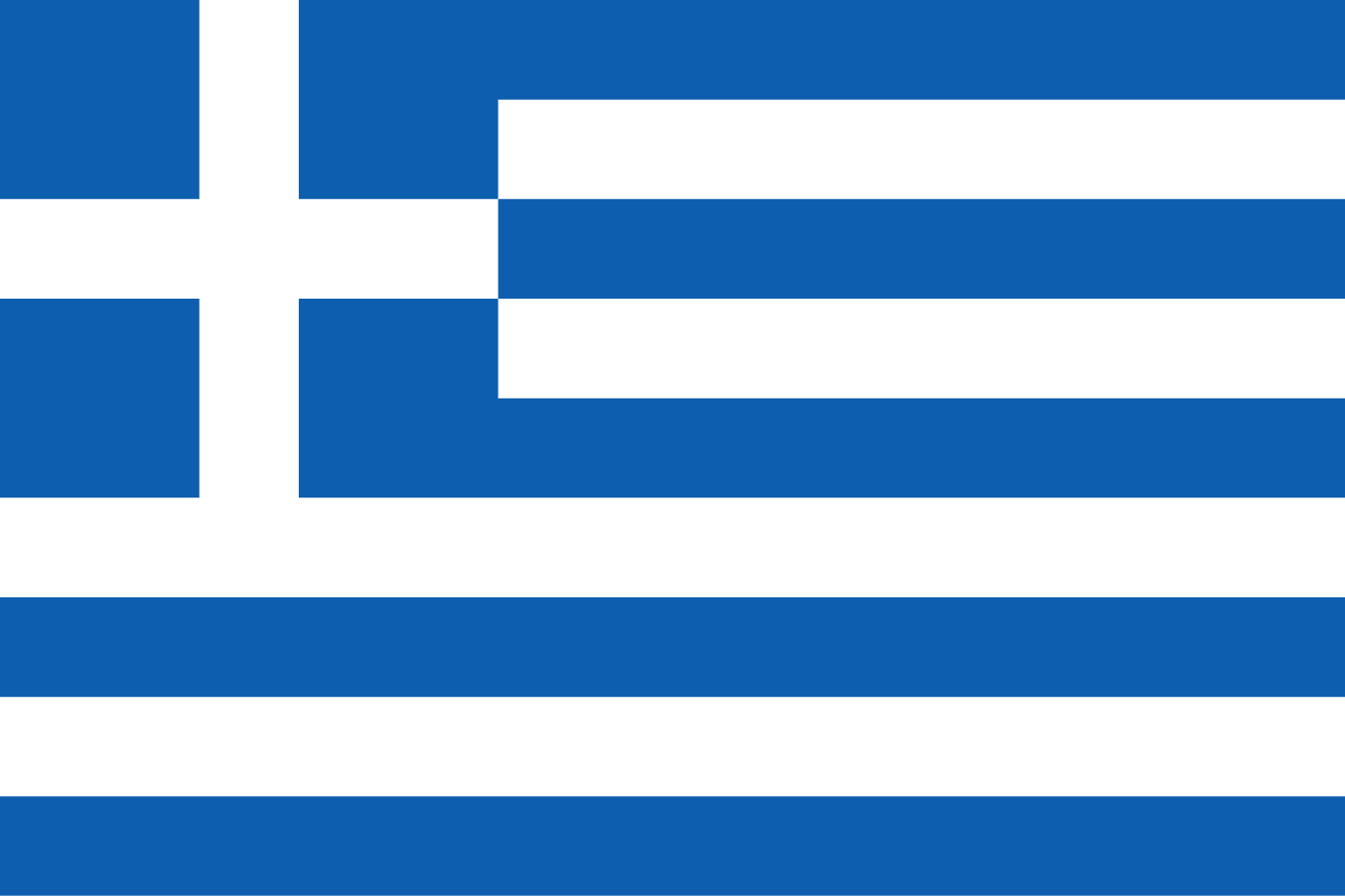
Good to know: Greeks call their country Hellas (Ελλάδα). "Greece" comes from the Latin Graecia. The nine stripes on the flag are often said to stand for the nine syllables of the motto "Eleftheria i thanatos" (Freedom or Death).
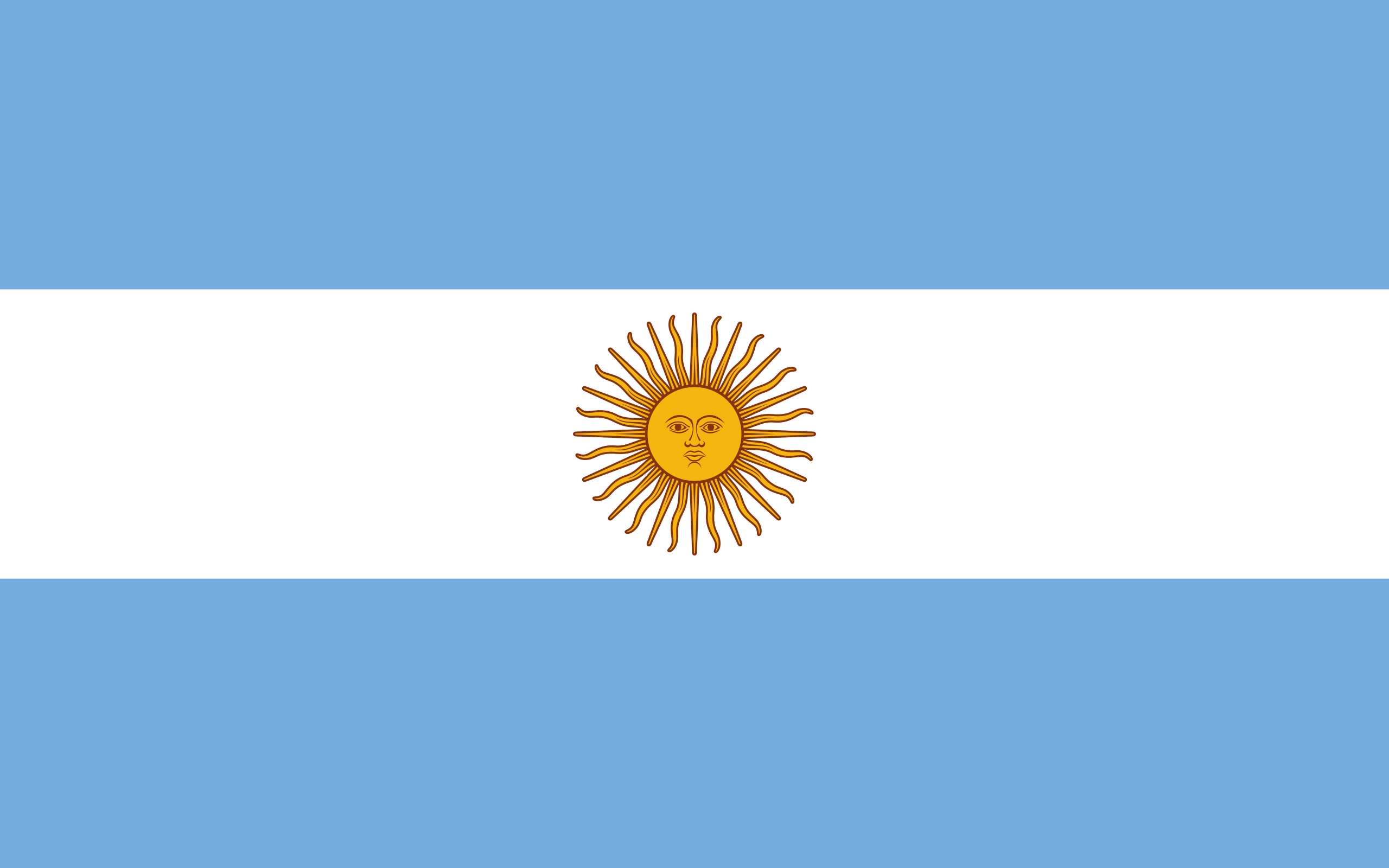
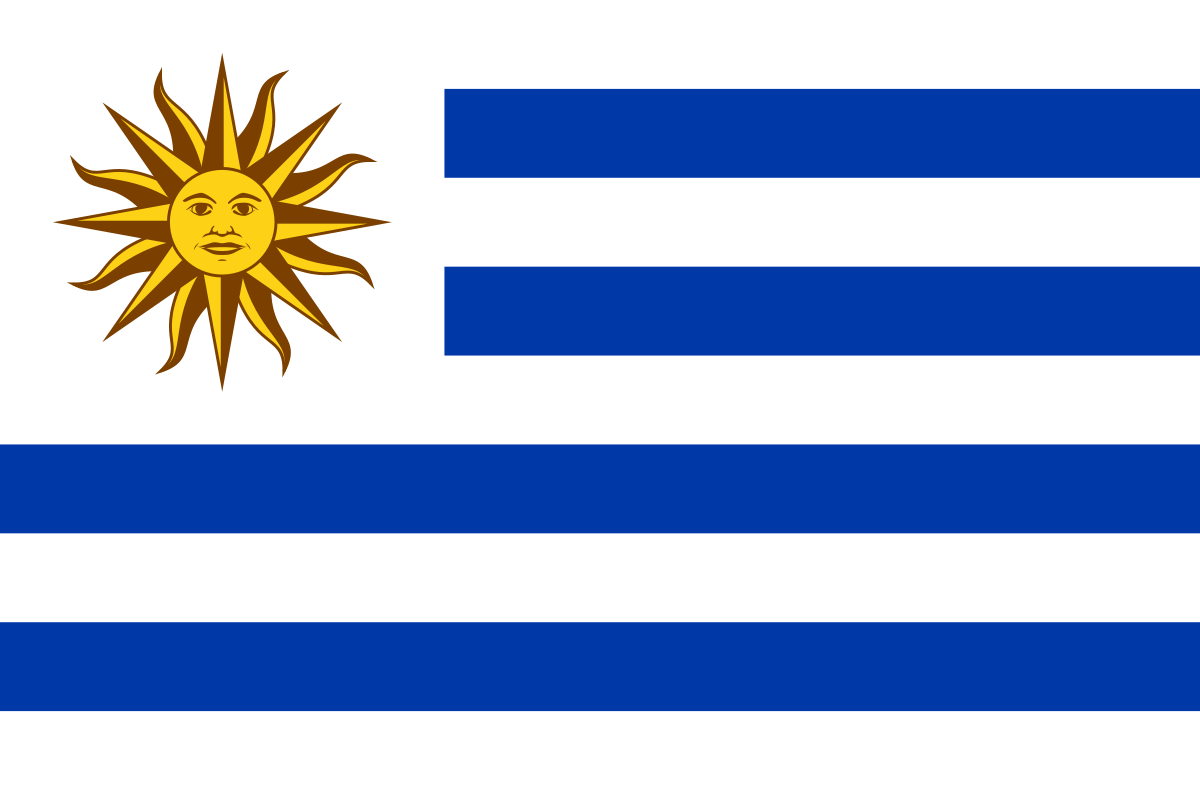
Similar flags:ArgentinaUruguay
17
Hungary
English name
Formal nameHungary
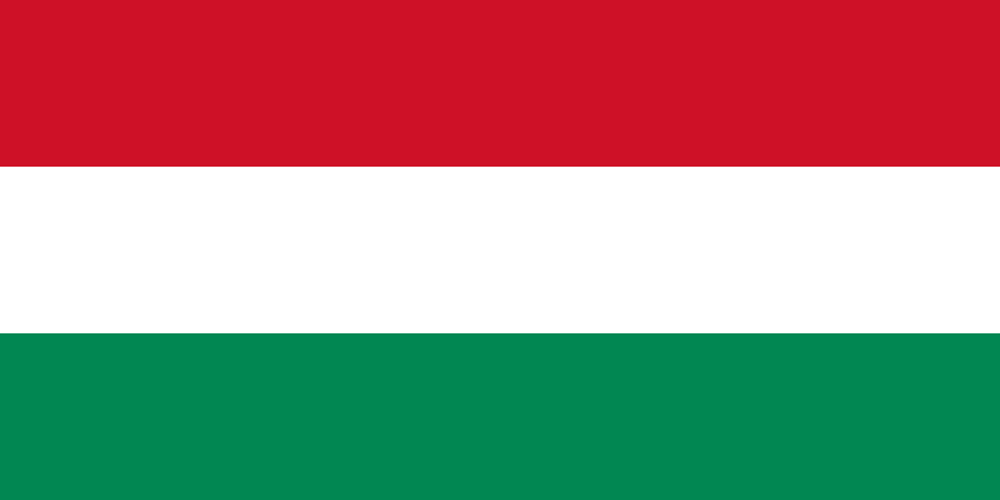
Good to know: “Hungary” is thought to be linked to Onogur, a confederation of Turkic peoples. The name Onogur is often interpreted as “ten tribes”, but the origin of the name is debated.
Similar flags:Bulgaria
18
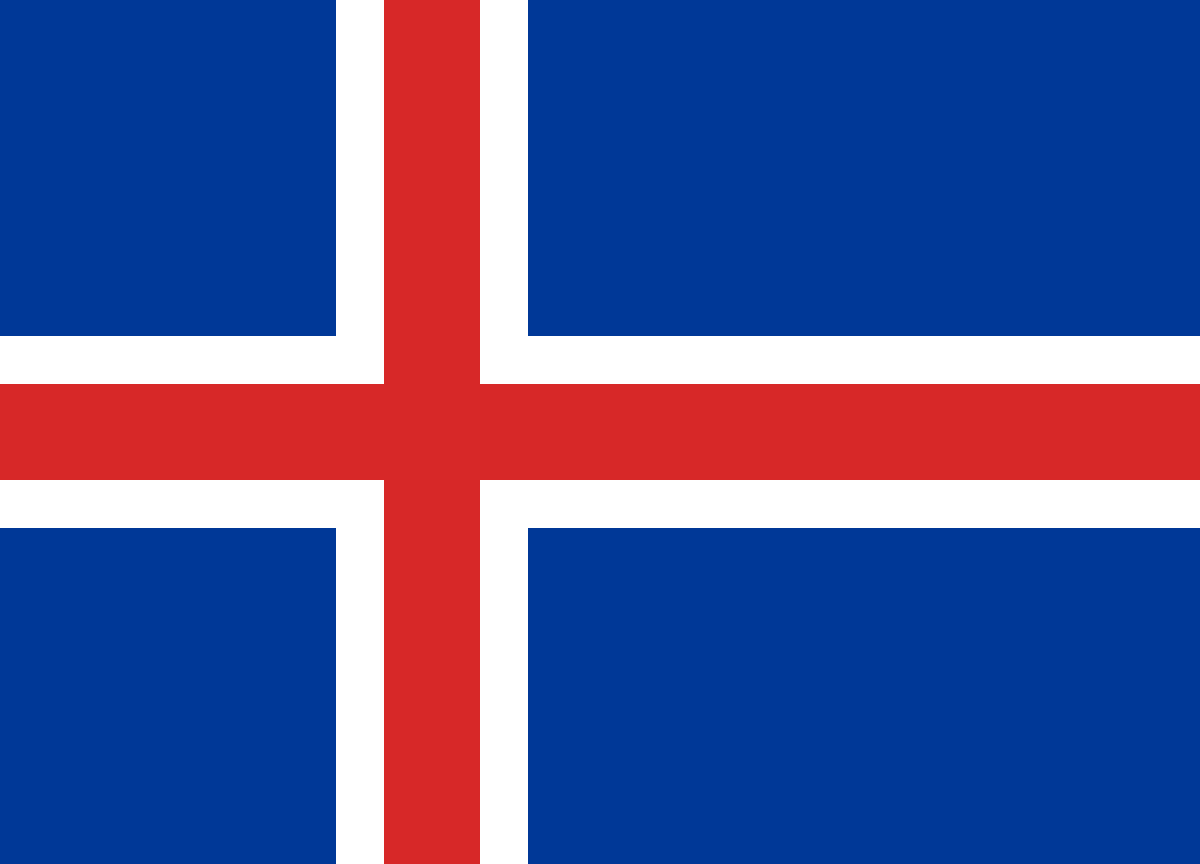
Iceland
English name
Formal nameIceland
Good to know: According to the Icelandic Book of Settlements (Landnámabók), the explorer Flóki Vilgerðarson named the island after seeing a fjord full of drift ice. On the flag, blue is often said to stand for the sea, white for ice and red for volcanic fire.
Similar flags:NorwayDenmarkFaroe IslandsFinlandSweden
19
Ireland
Ireland/ˈaɪ.ə.lənd/English
English name
Formal nameIreland
Good to know: On the flag, green is traditionally linked to Ireland’s Gaelic and Catholic majority and orange to the followers of William of Orange. The white stripe between them stands for peace.
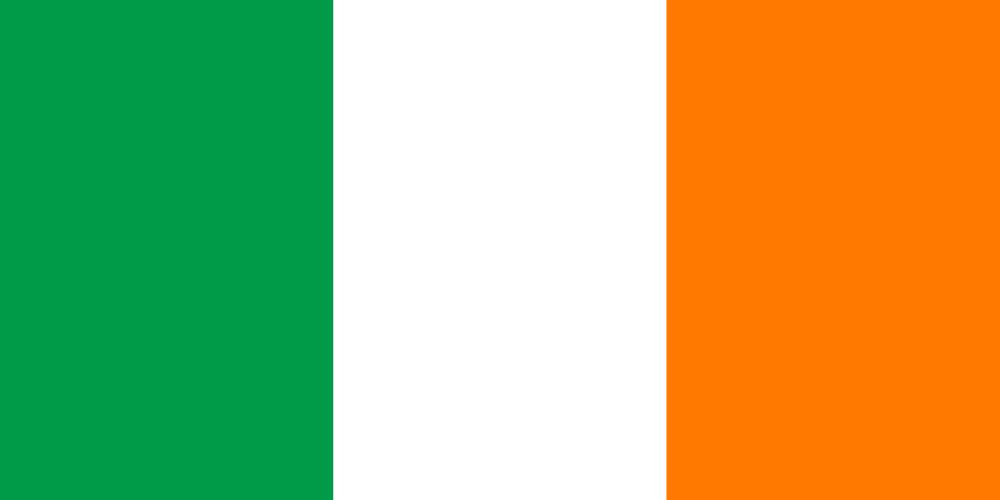
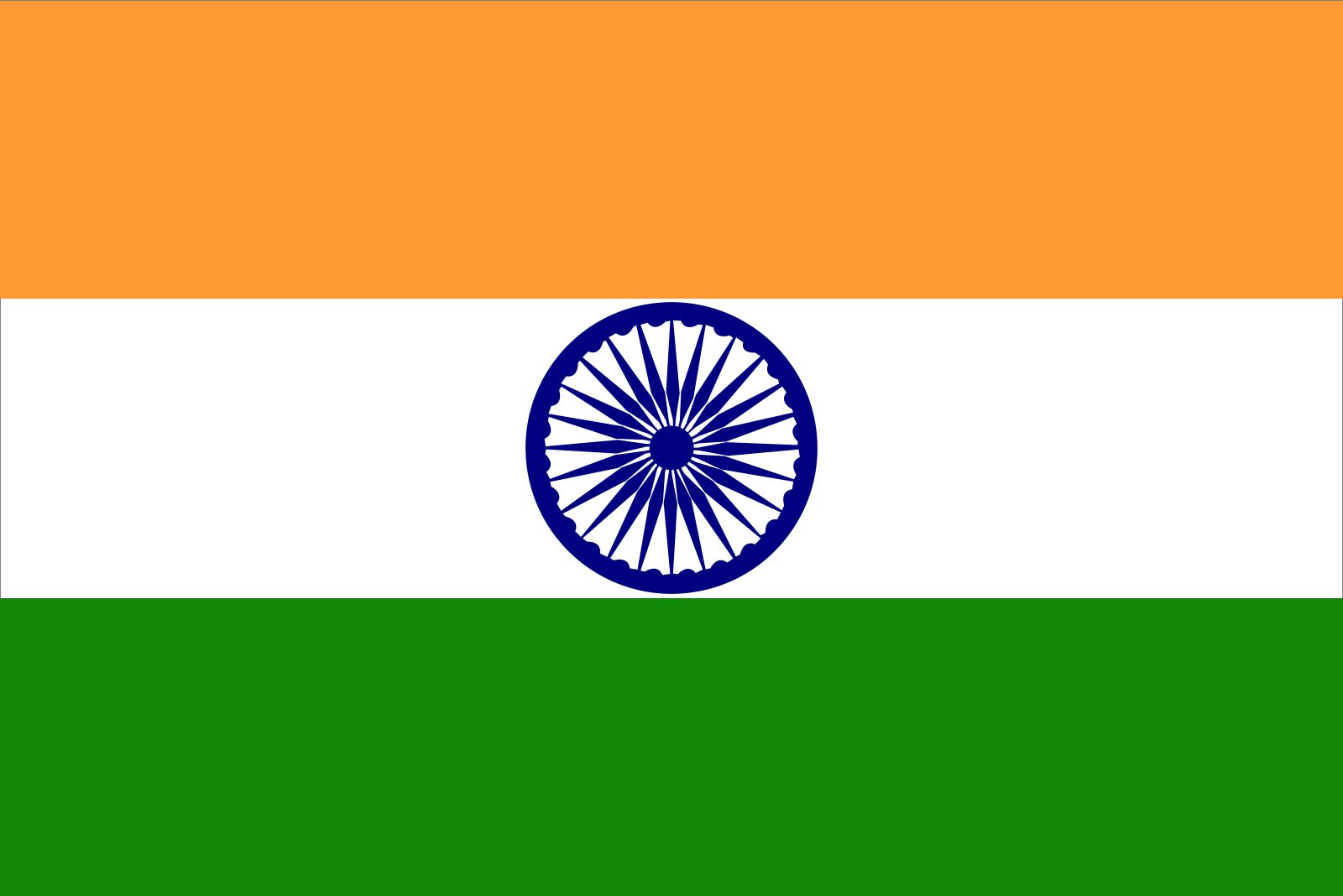
Similar flags:Ivory CoastItalyIndia
20
Italy
English name
Formal nameItalian Republic
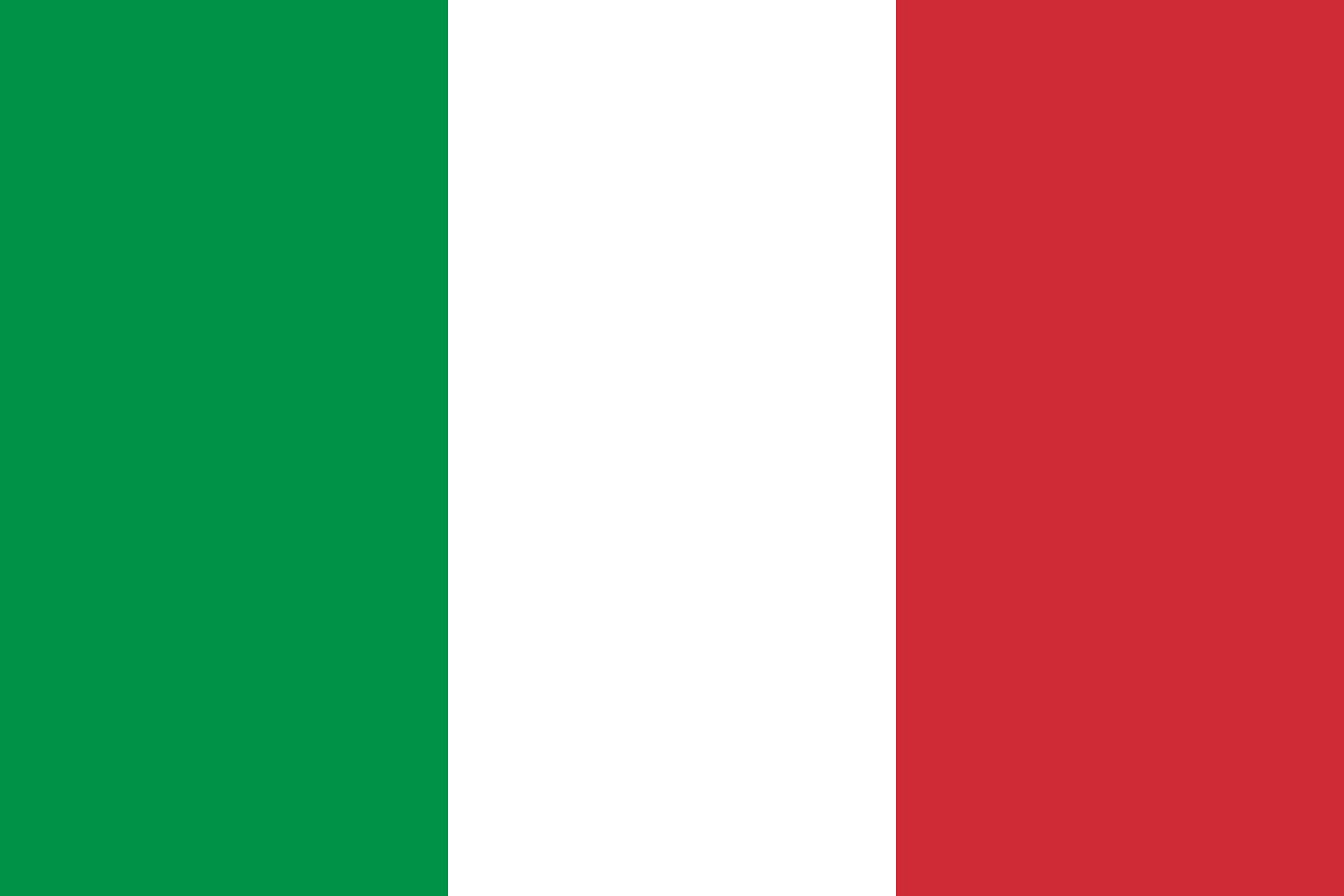
Good to know: The name Italia is often linked to the Latin word for "calf". The flag, il Tricolore, was first adopted in 1797 and was inspired by the French tricolour, with green in place of blue.
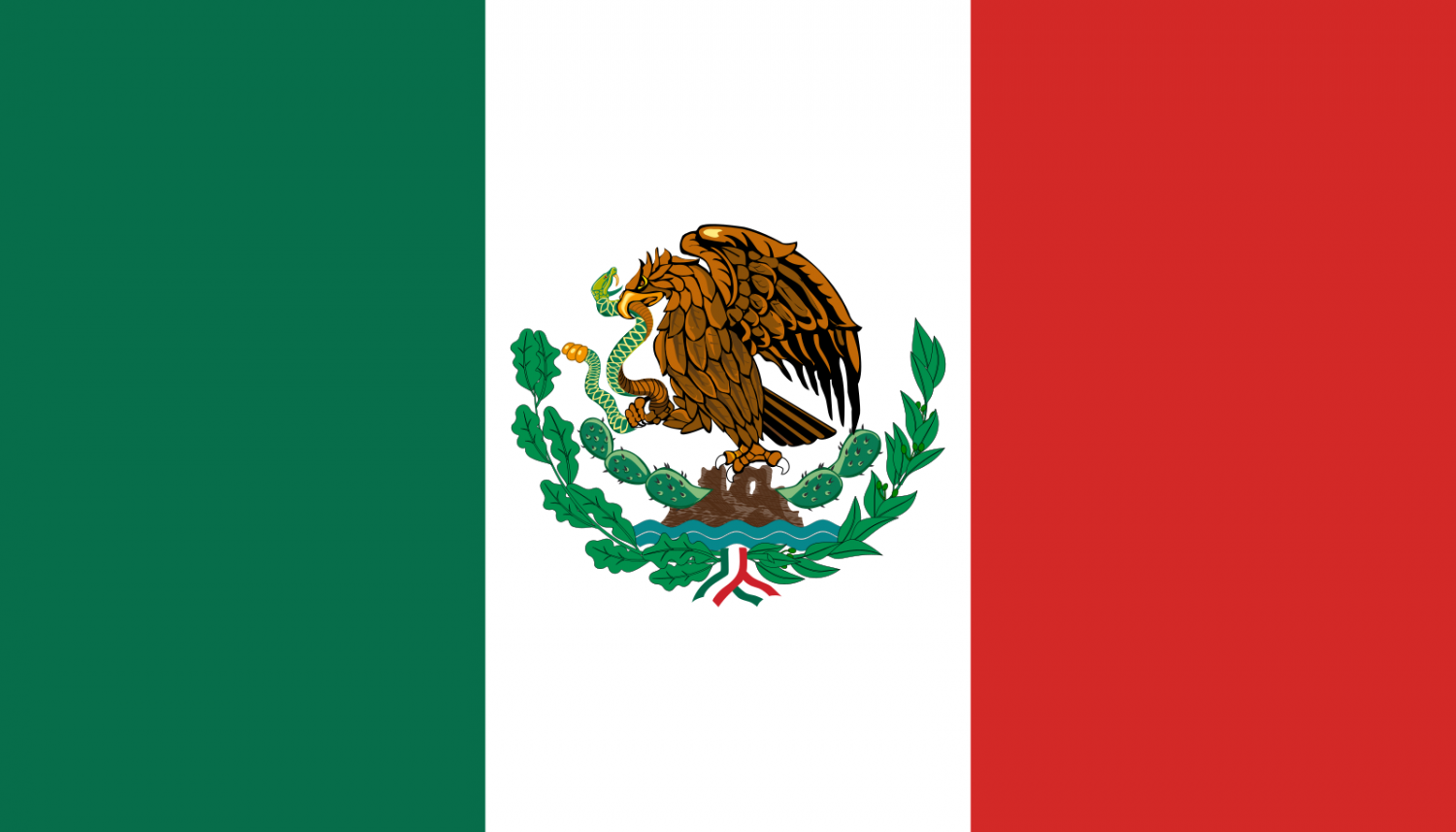
Similar flags:IrelandIvory CoastMexicoFrance
21
Latvia
English name
Formal nameRepublic of Latvia
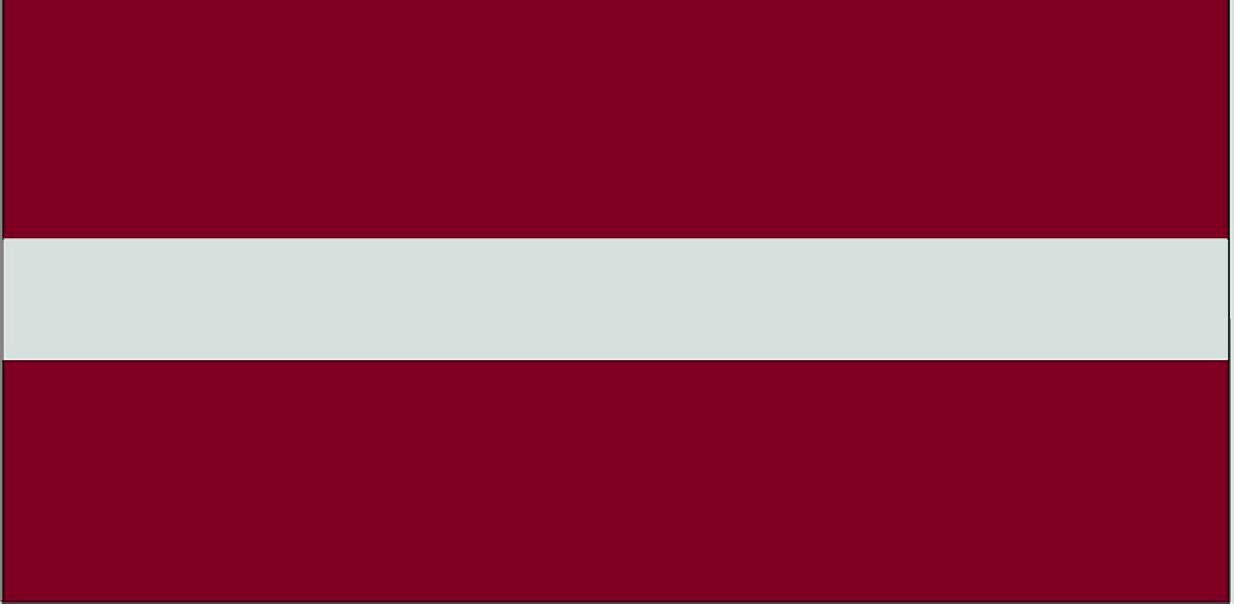
Good to know: The flag's dark red with a thin white stripe is said to go back to a 13th-century chronicle, which would make it one of the oldest flags in the world.
Similar flags:Austria
22
Liechtenstein
English name
Formal namePrincipality of Liechtenstein
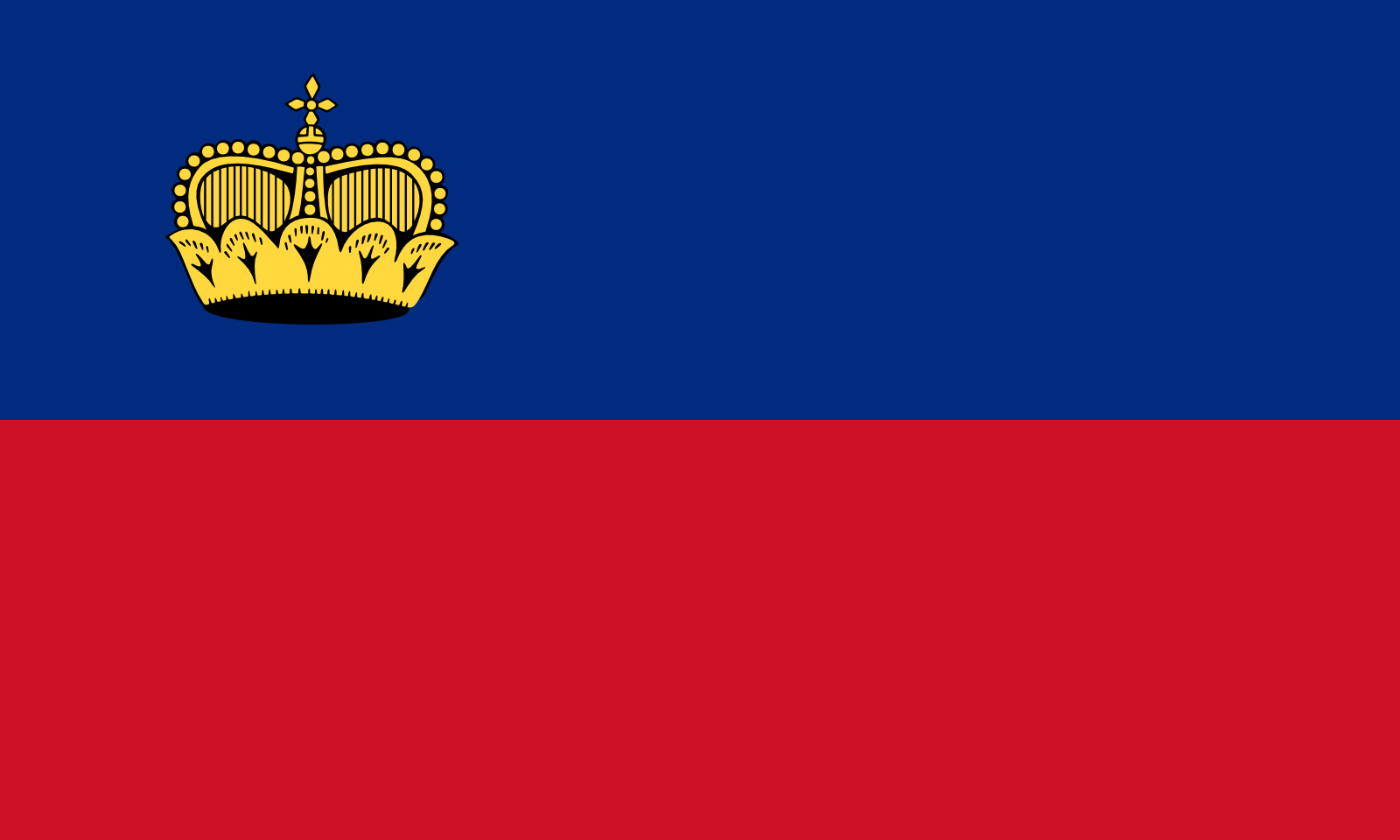
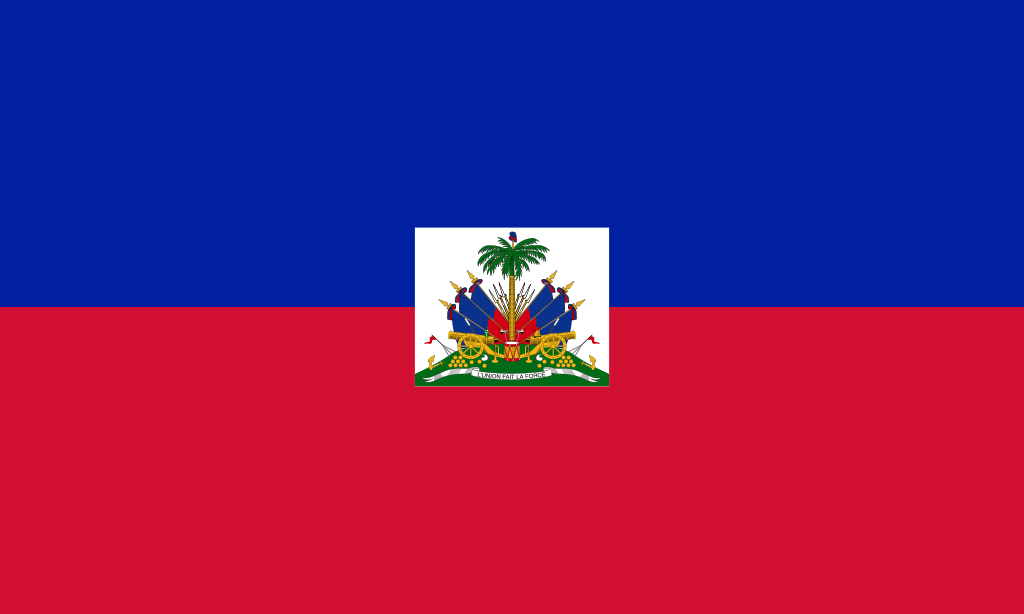
Good to know: At the 1936 Olympics, Liechtenstein noticed that its blue-and-red flag resembled Haiti's. A golden crown was added in 1937 to distinguish it.
Similar flags:Haiti
23
Lithuania
English name
Formal nameRepublic of Lithuania
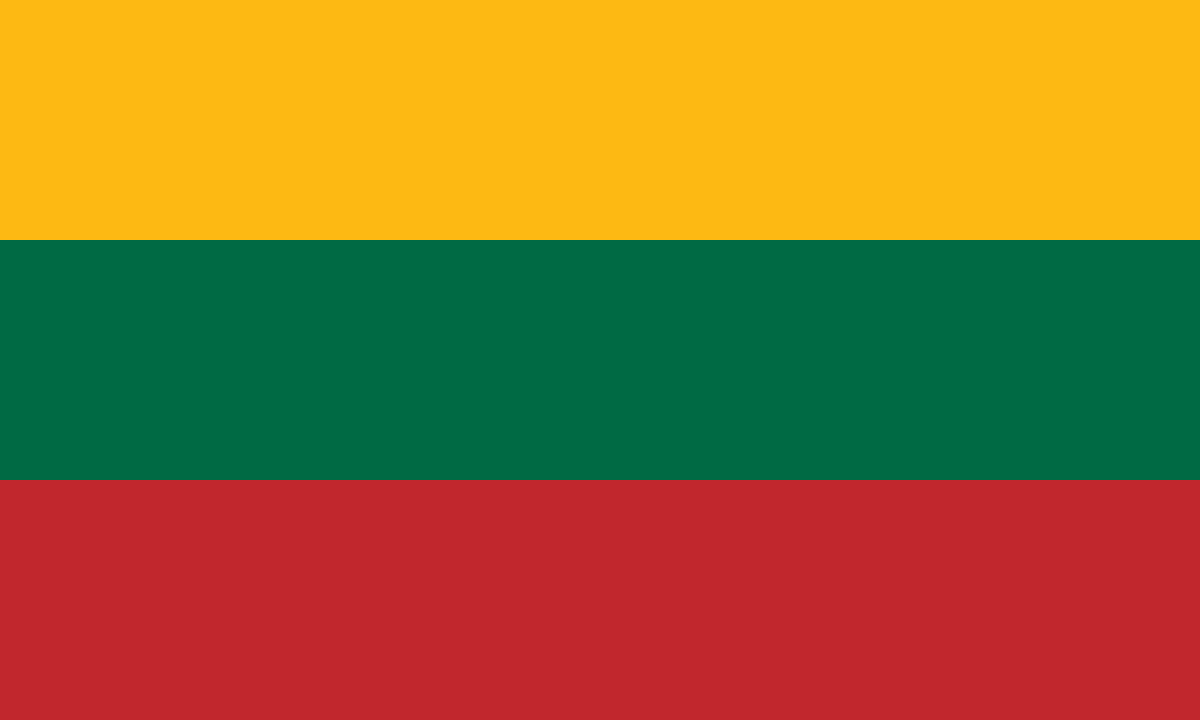
Good to know: The name is first recorded in 1009. One theory links it to the small river Lietava. On the flag, yellow is said to stand for the sun and prosperity, green for the countryside and hope, and red for the blood of those who died for Lithuania.
24
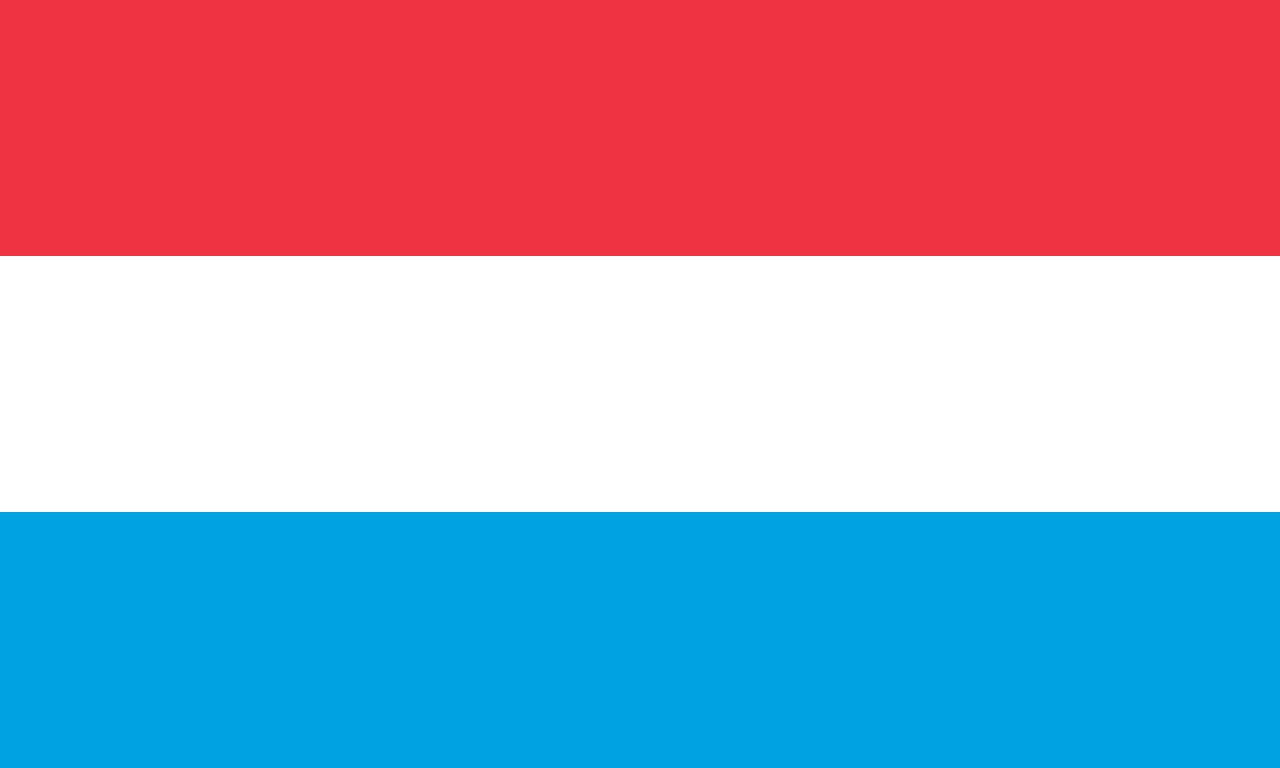
Luxembourg
English name
Formal nameGrand Duchy of Luxembourg
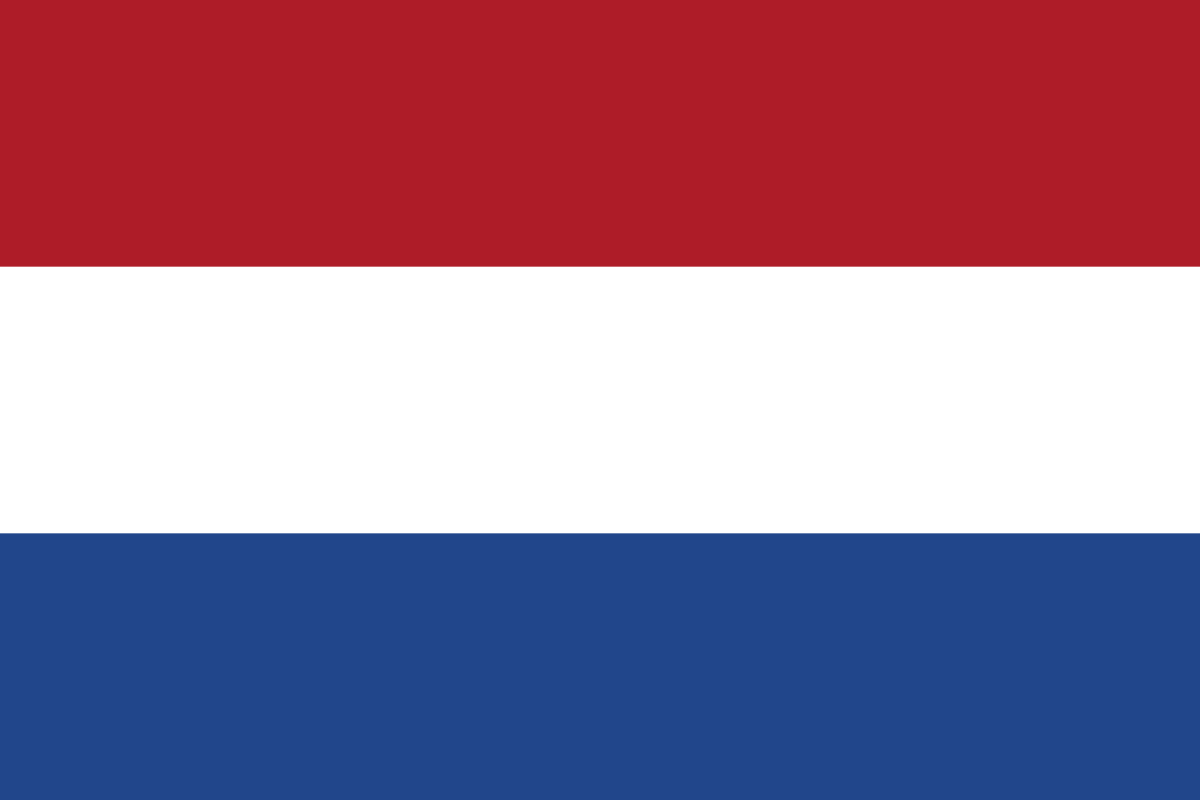
Good to know: The light-blue stripe distinguishes Luxembourg’s flag from the Netherlands flag, which uses a darker blue.
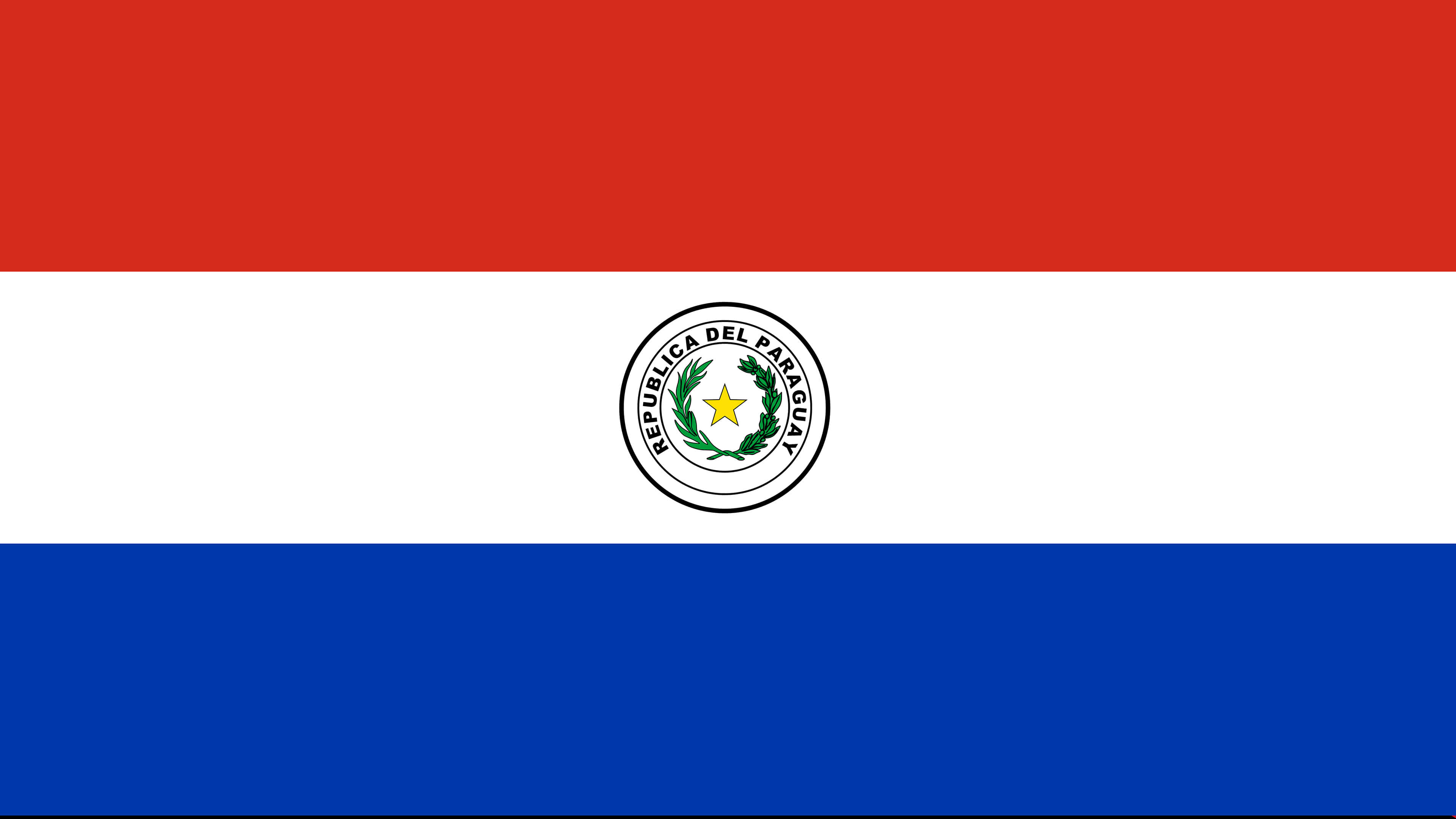
Similar flags:NetherlandsParaguay
25
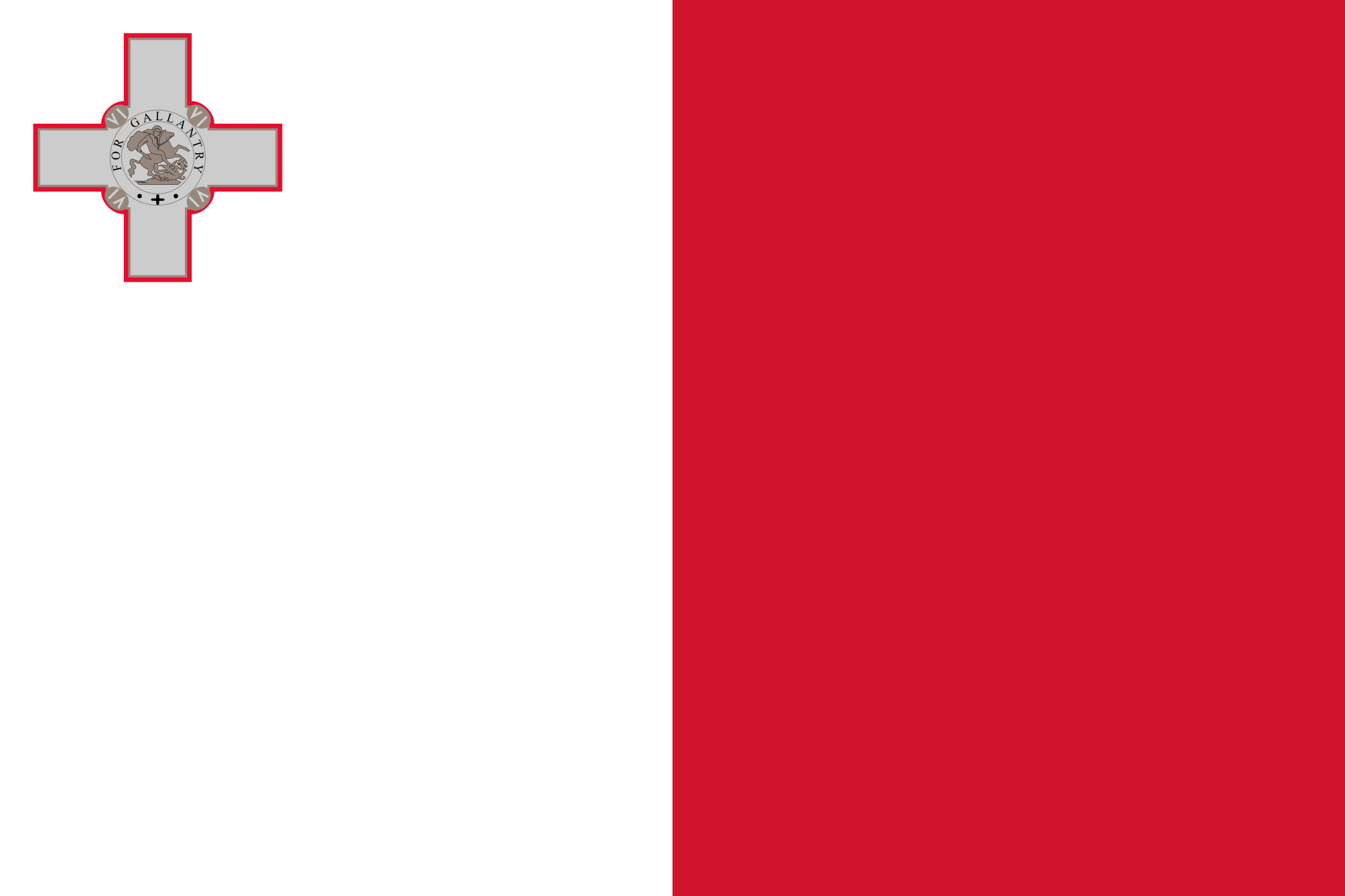
Malta
English name
Formal nameRepublic of Malta
Good to know: The name comes from the Latin Melita and Greek Melite; its meaning is uncertain. The George Cross in the corner of the flag was awarded by King George VI in 1942 for the island's bravery in World War II.
26
Moldova
English name
Formal nameRepublic of Moldova
Good to know: The country is named after the Moldova River.
Similar flags:RomaniaChadAndorra
27
Monaco
Múnegu/ˈmy.ne.ɡu/Monegasque
English name
Formal namePrincipality of Monaco
Good to know: The name is traditionally linked to the Greek Monoikos, "the solitary one", an epithet of Heracles. Red and white are the heraldic colours of the Grimaldi family.
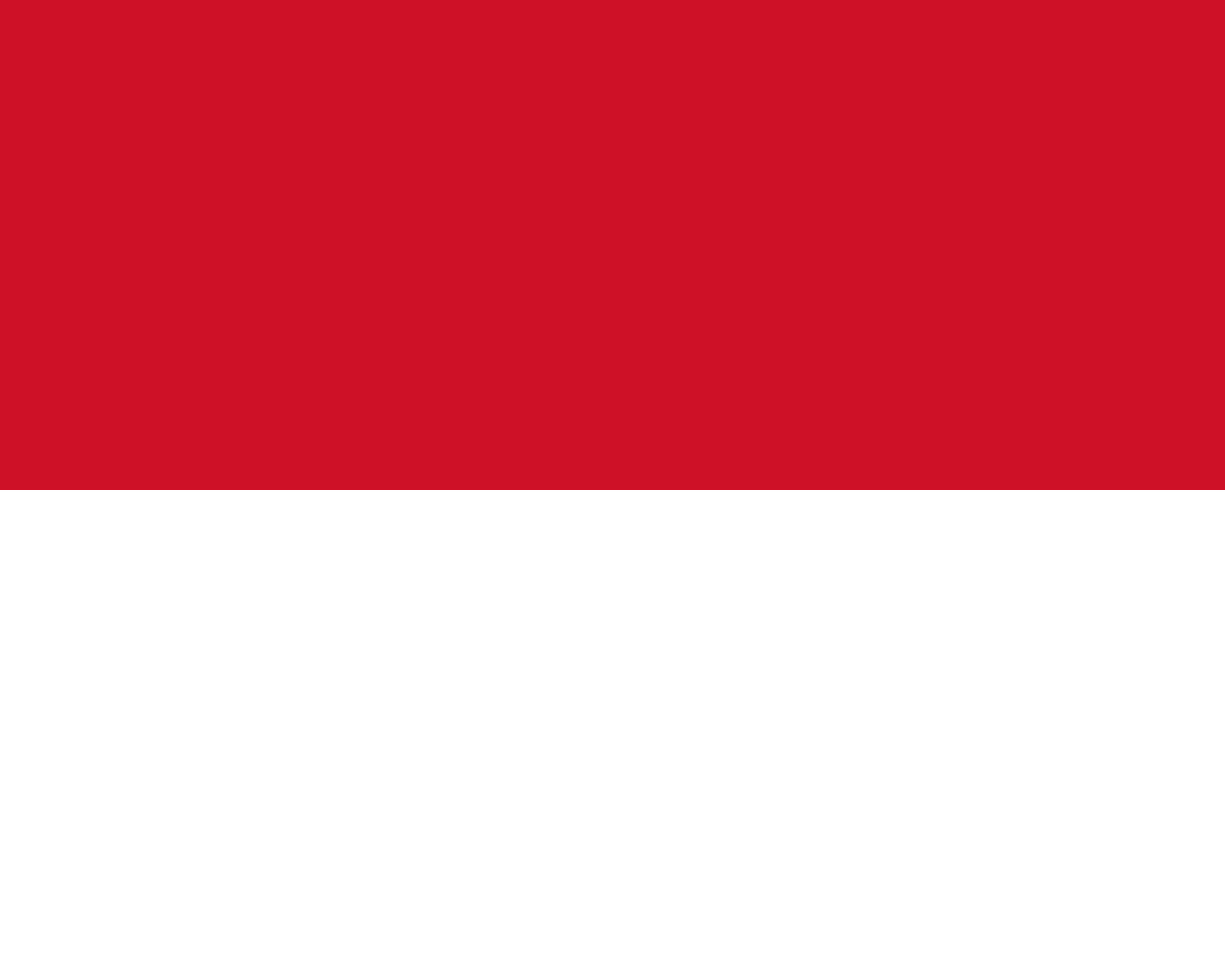
Similar flags:IndonesiaPoland
28
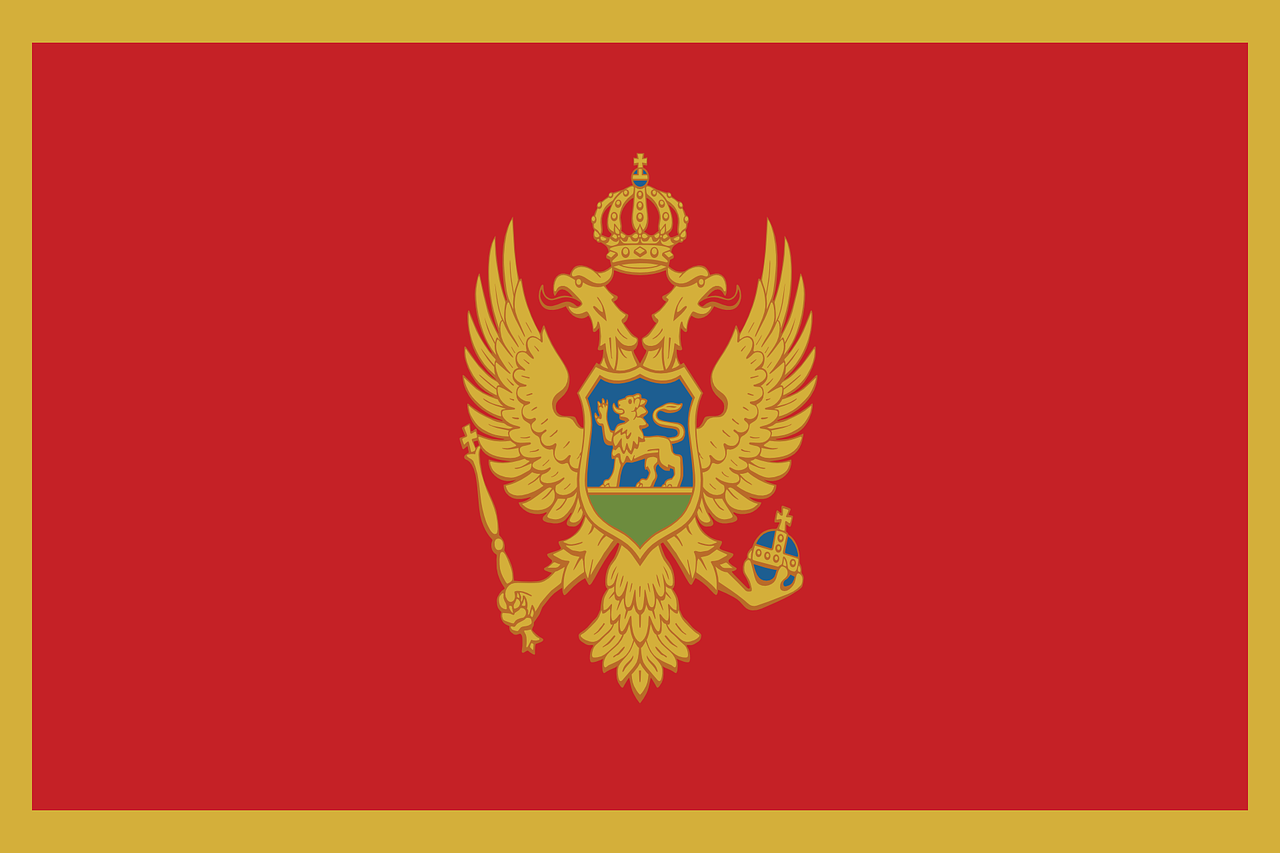
Montenegro
English name
Formal nameMontenegro
Good to know: Both names mean "black mountain" (the Venetian "Monte Negro" and the local "Crna Gora").
Similar flags:Albania
29
Netherlands
English name
Formal nameNetherlands (part of the Kingdom of the Netherlands)
Good to know: The name means "low lands". Its flag is one of the oldest tricolours. Early versions used orange; red gradually replaced it during the 17th century.
Similar flags:LuxembourgParaguay
30
North Macedonia
English name
Formal nameRepublic of North Macedonia
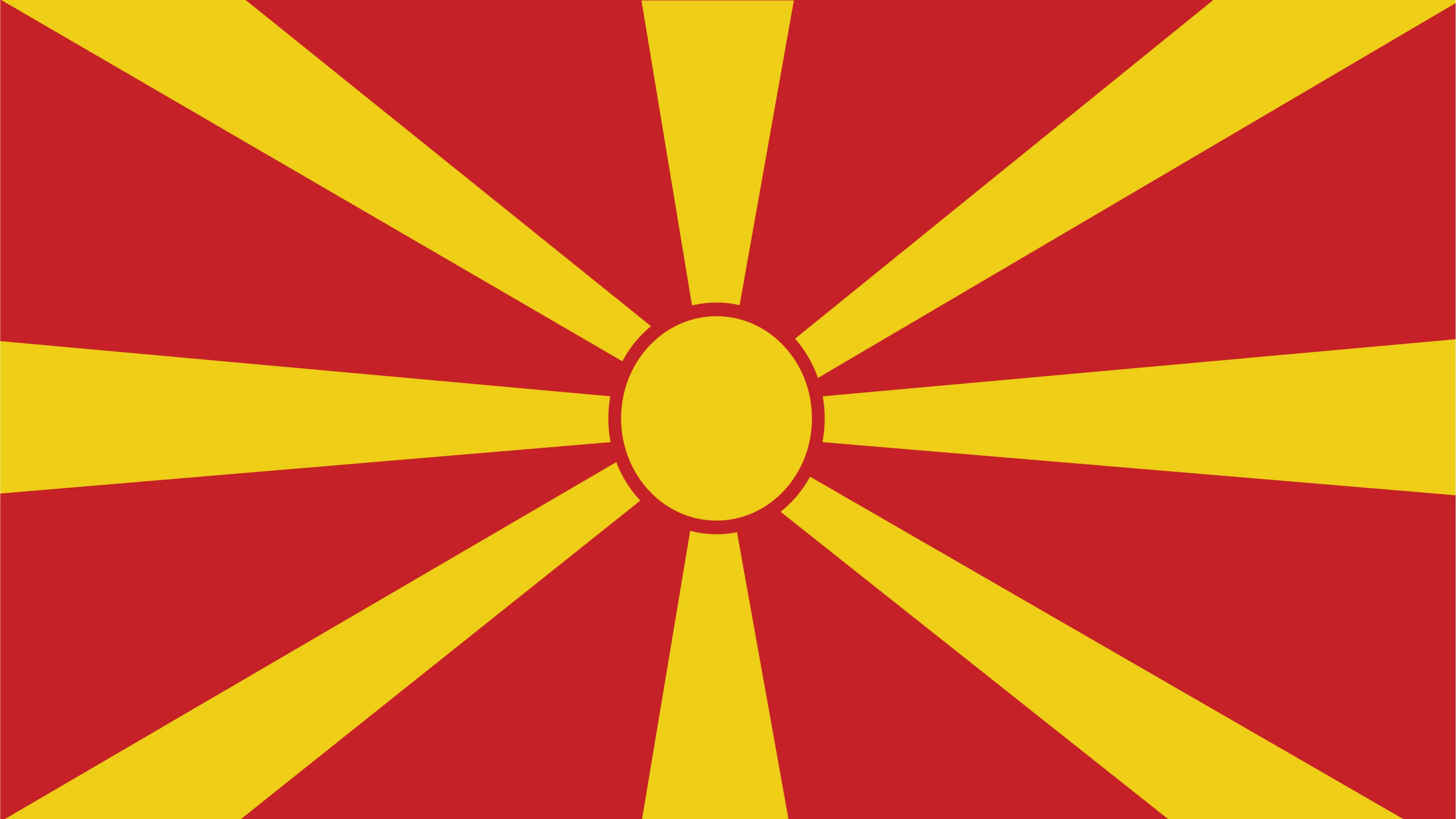
Good to know: The word "North" was added to the name in 2019. The earlier flag used the Vergina sun, but Greece objected, so it was changed in 1995.
31
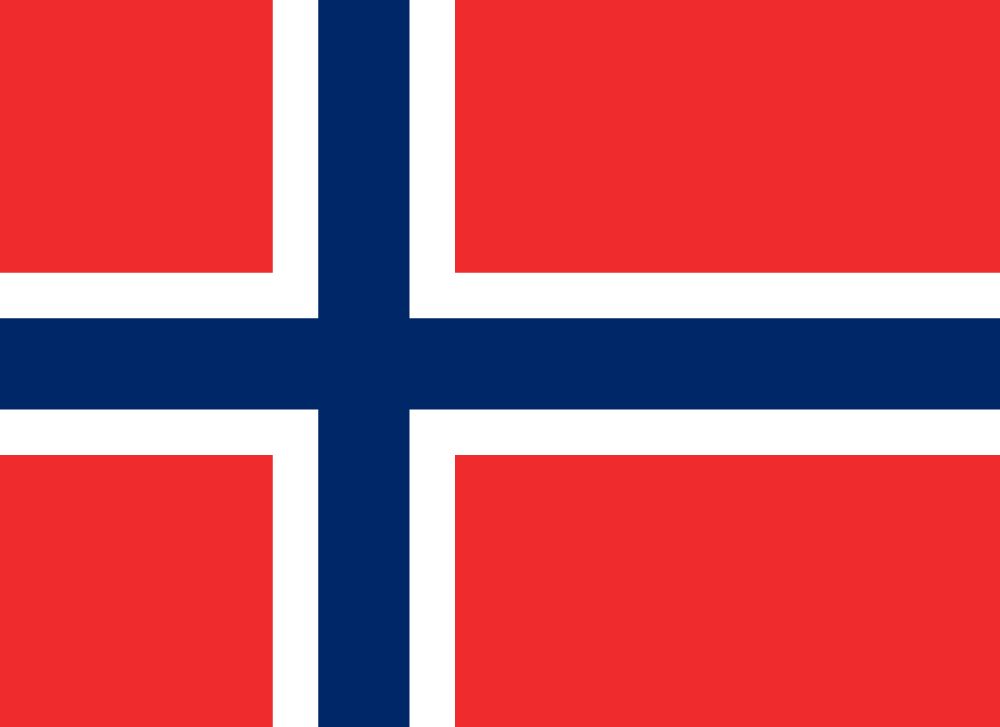
Norway
English name
Formal nameKingdom of Norway
Good to know: The name is traditionally explained as "northern way", from the Old Norse Norðvegr.
Similar flags:IcelandDenmarkSwedenFinlandFaroe Islands
32
Poland
English name
Formal nameRepublic of Poland
Good to know: The name comes from the Polans, a tribe whose name means "people of the fields".
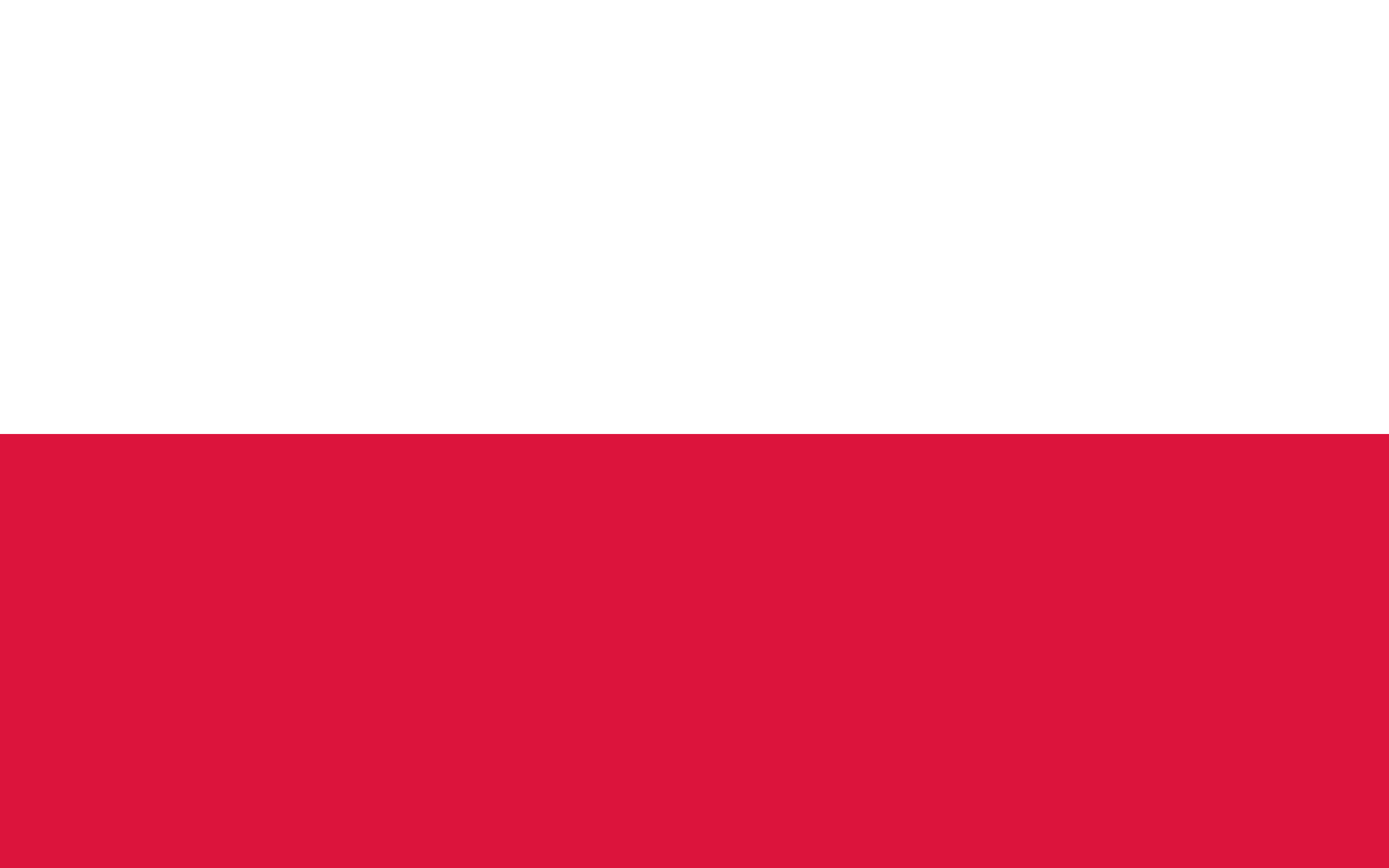
Similar flags:IndonesiaMonaco
33
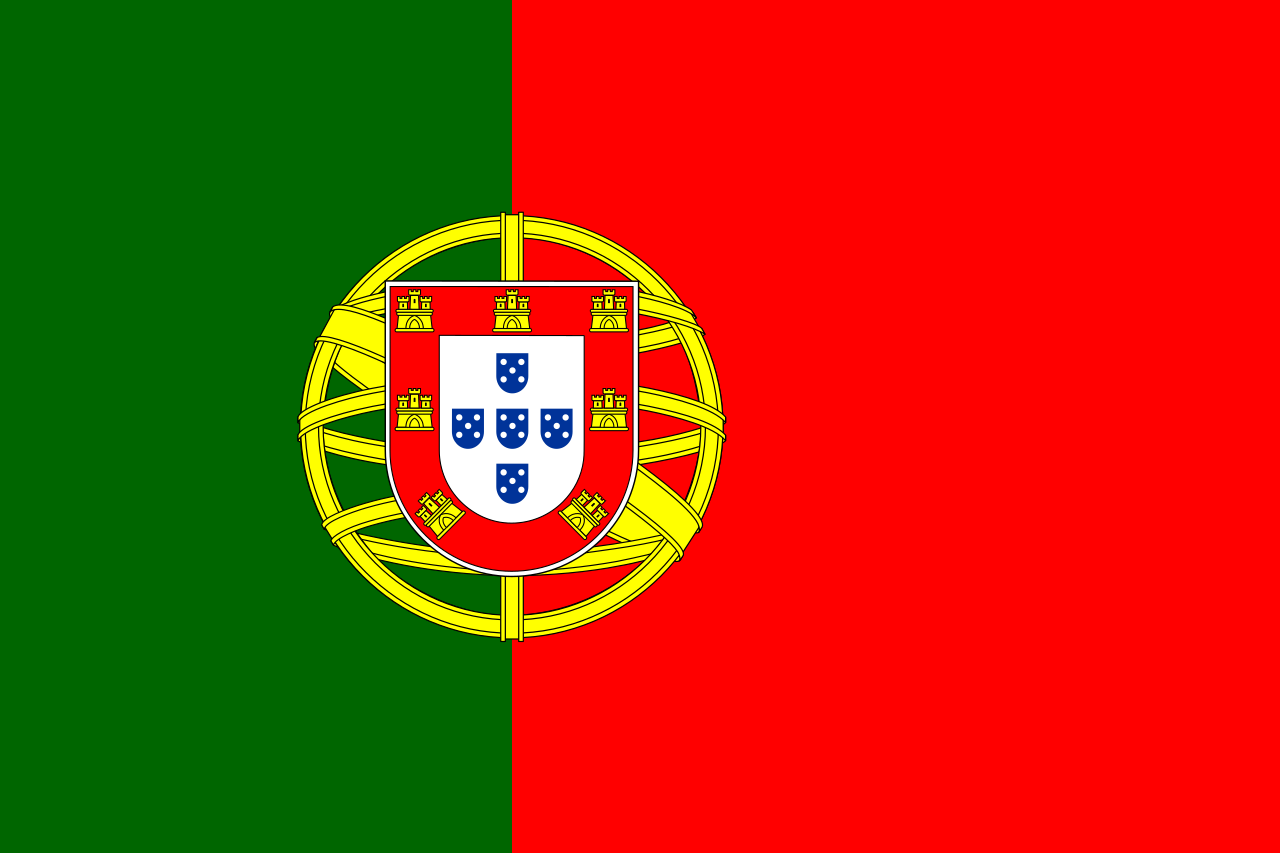
Portugal
English name
Formal namePortuguese Republic
Good to know: The name comes from the Roman port of Portus Cale. The flag was adopted in 1911 after the monarchy fell. The armillary sphere on it is an astronomical instrument that became an emblem of the age of discovery.
34
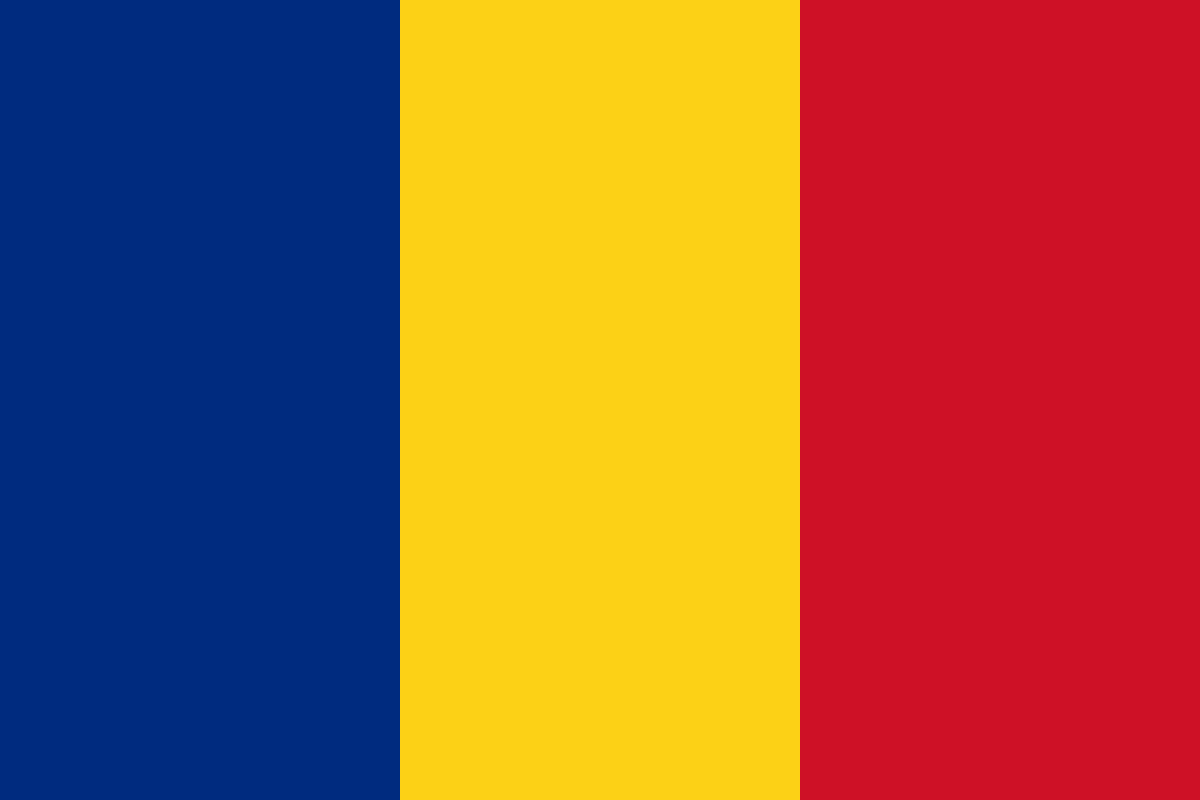
Romania
English name
Formal nameRomania
Good to know: The name comes from the Latin Romanus. During the 1989 revolution, protesters cut the communist coat of arms out of the middle of the flag, leaving a hole.
Similar flags:ChadMoldovaAndorra
35
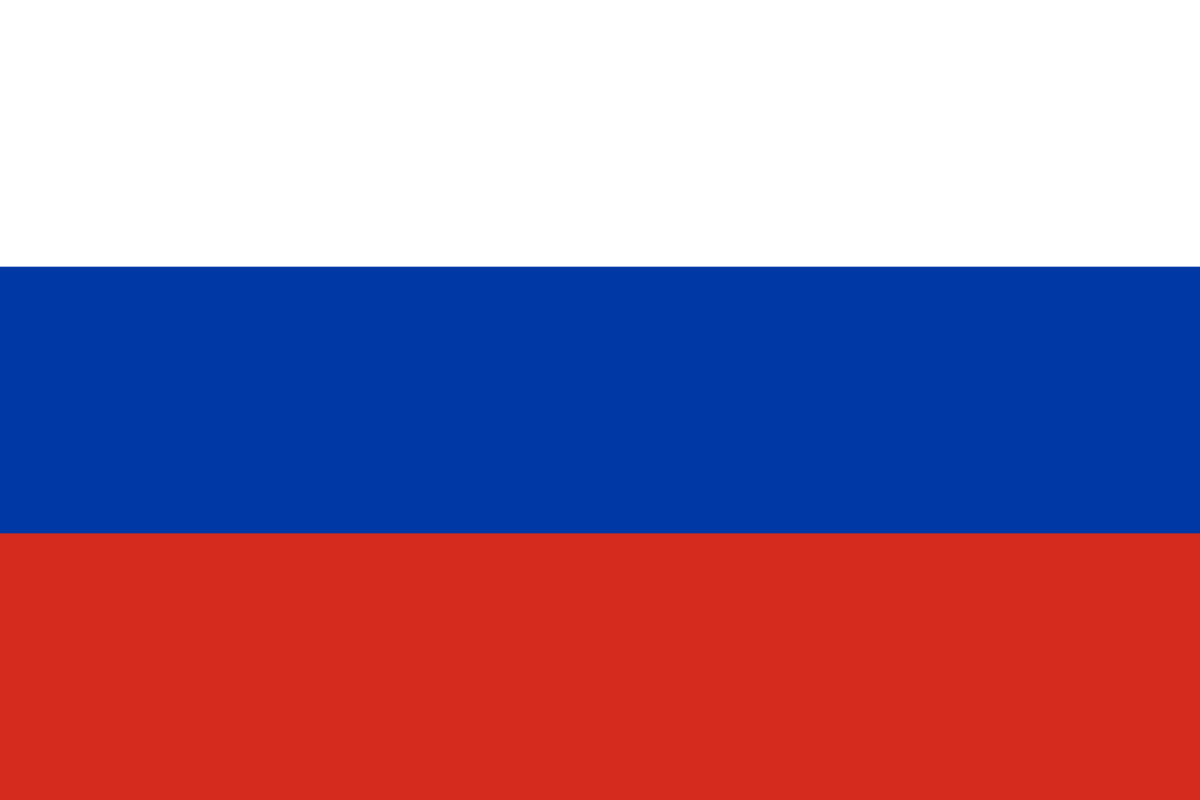
Russia
English name
Formal nameRussian Federation
Good to know: The name Rossiya comes from Rus’, the medieval state. The white-blue-red tricolour was used on ships under Peter the Great in the 1690s, was later made the Russian merchant flag, and returned as the national flag in 1991.
Similar flags:SlovakiaSloveniaSerbiaCroatia
36
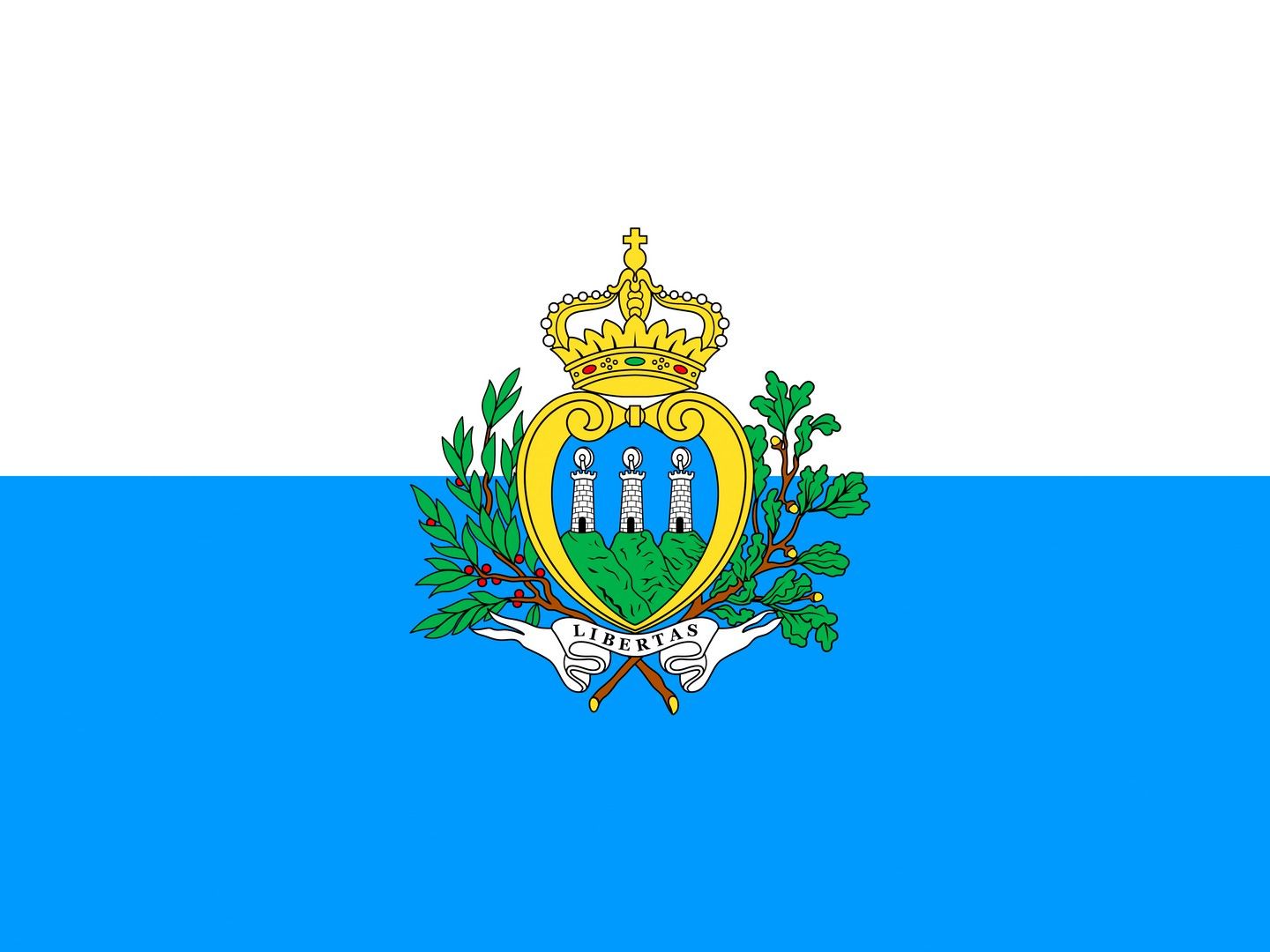
San Marino
English name
Formal nameRepublic of San Marino
Good to know: It is named after Saint Marinus, a stonemason who is said to have founded it in AD 301.
37
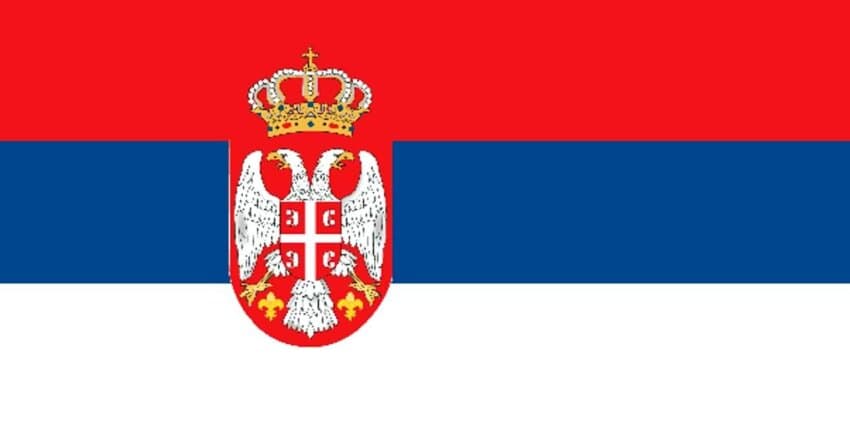
Serbia
English name
Formal nameRepublic of Serbia
Good to know: The red, blue and white are Pan-Slavic colours, used here in a different order from Russia’s flag.
Similar flags:RussiaSlovakiaSloveniaCroatia
38
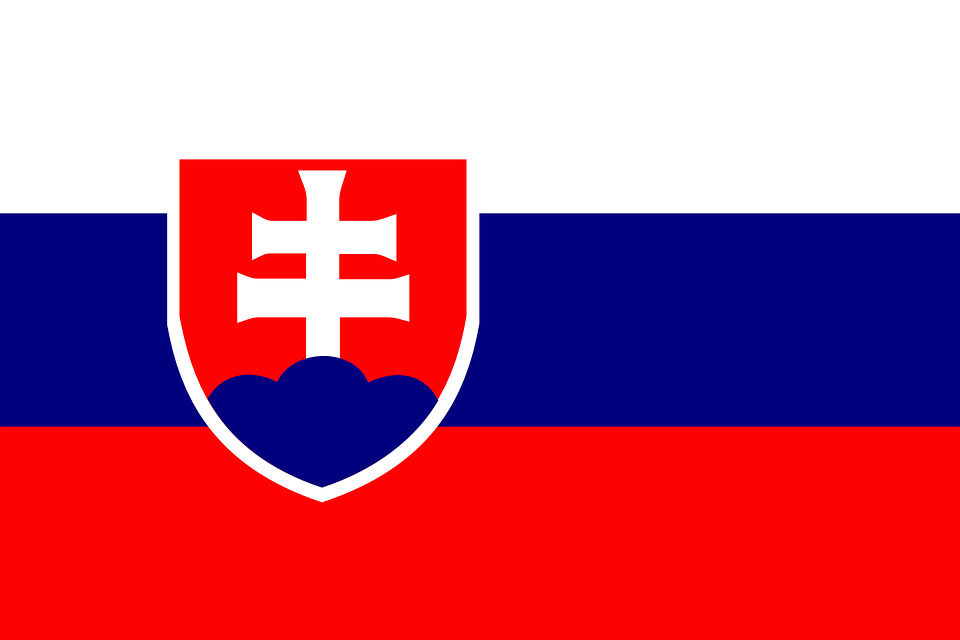
Slovakia
English name
Formal nameSlovak Republic
Good to know: The coat of arms shows a double cross above three blue hills, which stand for the Tatra, Fatra and Matra ranges.
Similar flags:RussiaSloveniaSerbiaCroatia
39
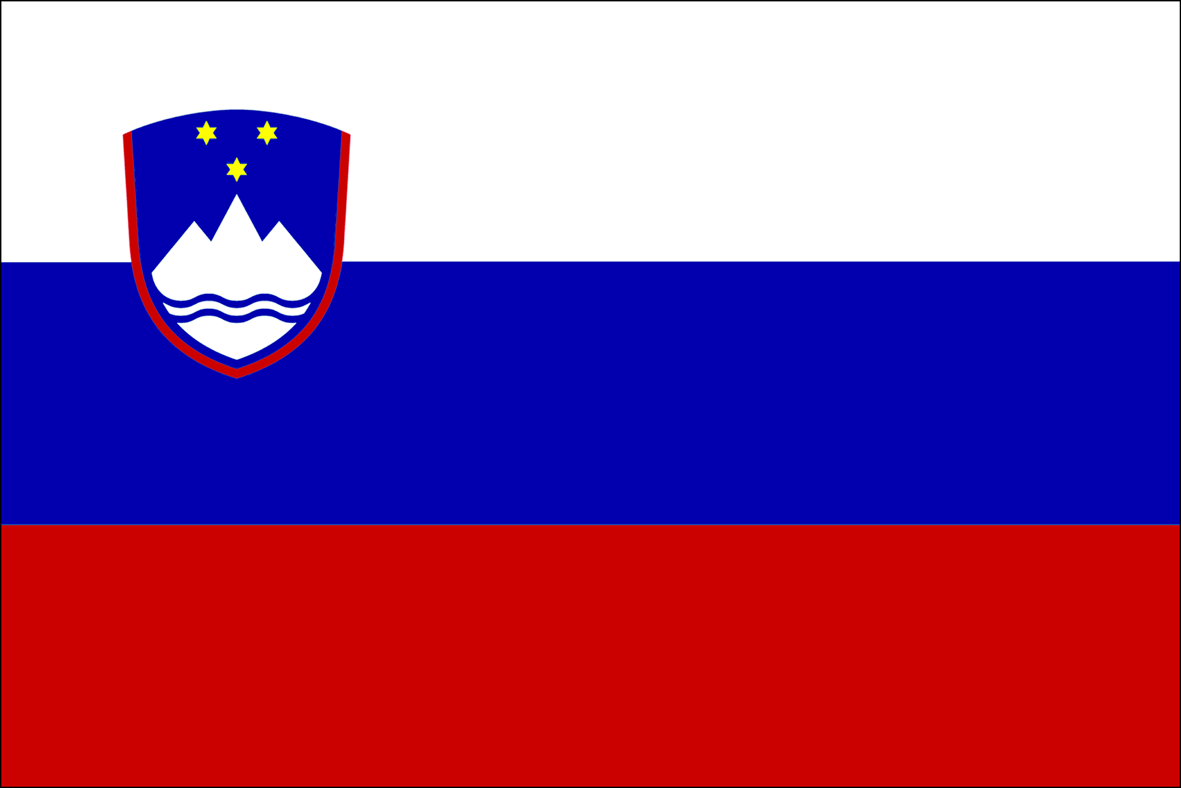
Slovenia
English name
Formal nameRepublic of Slovenia
Good to know: The coat of arms on the flag shows Mount Triglav, the highest peak, with wavy lines for the sea and rivers.
Similar flags:RussiaSlovakiaSerbiaCroatia
40
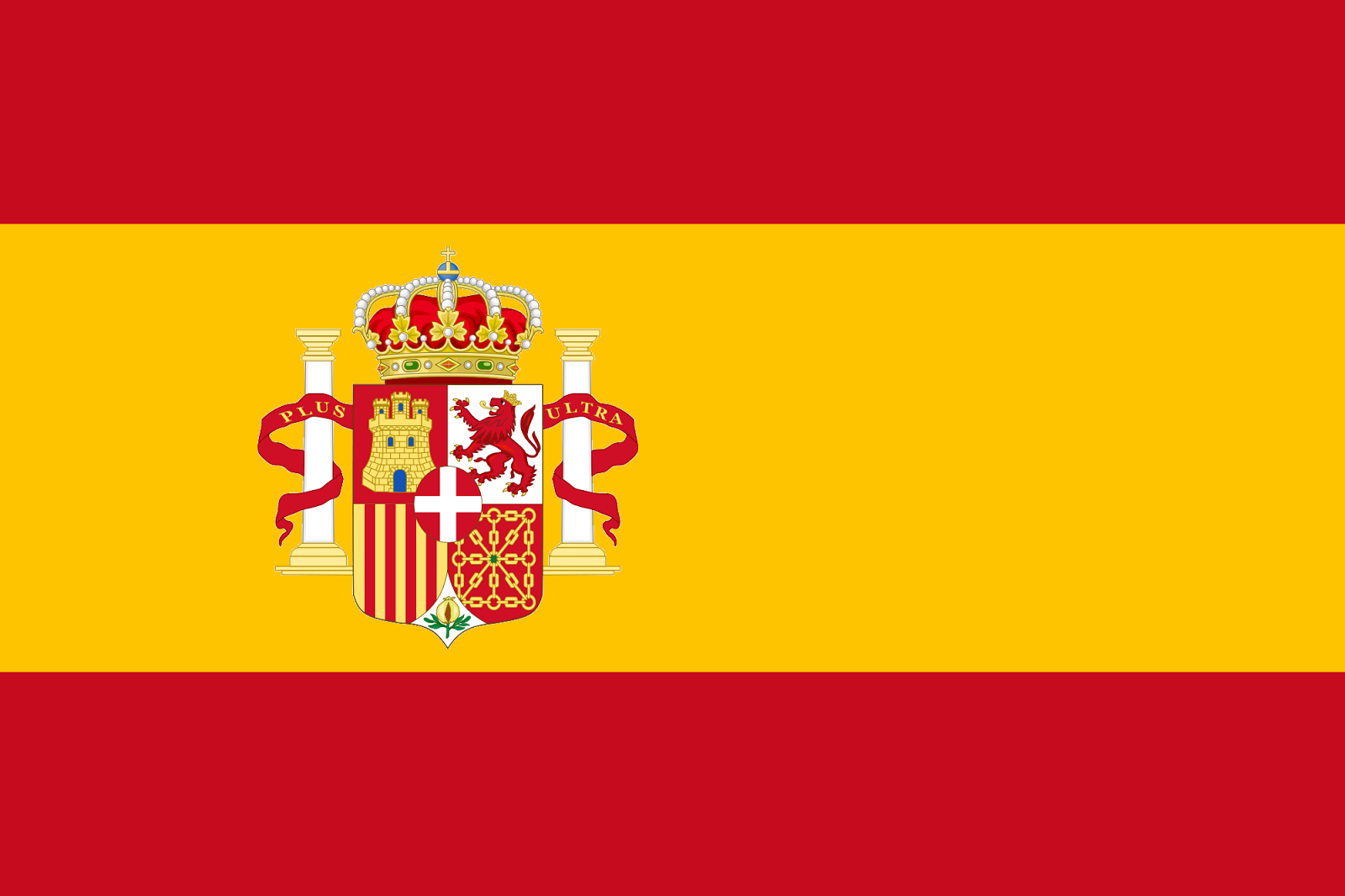
Spain
English name
Formal nameKingdom of Spain
Good to know: The name comes from Hispania, the Roman name for the Iberian Peninsula.
41
Sweden
English name
Formal nameKingdom of Sweden
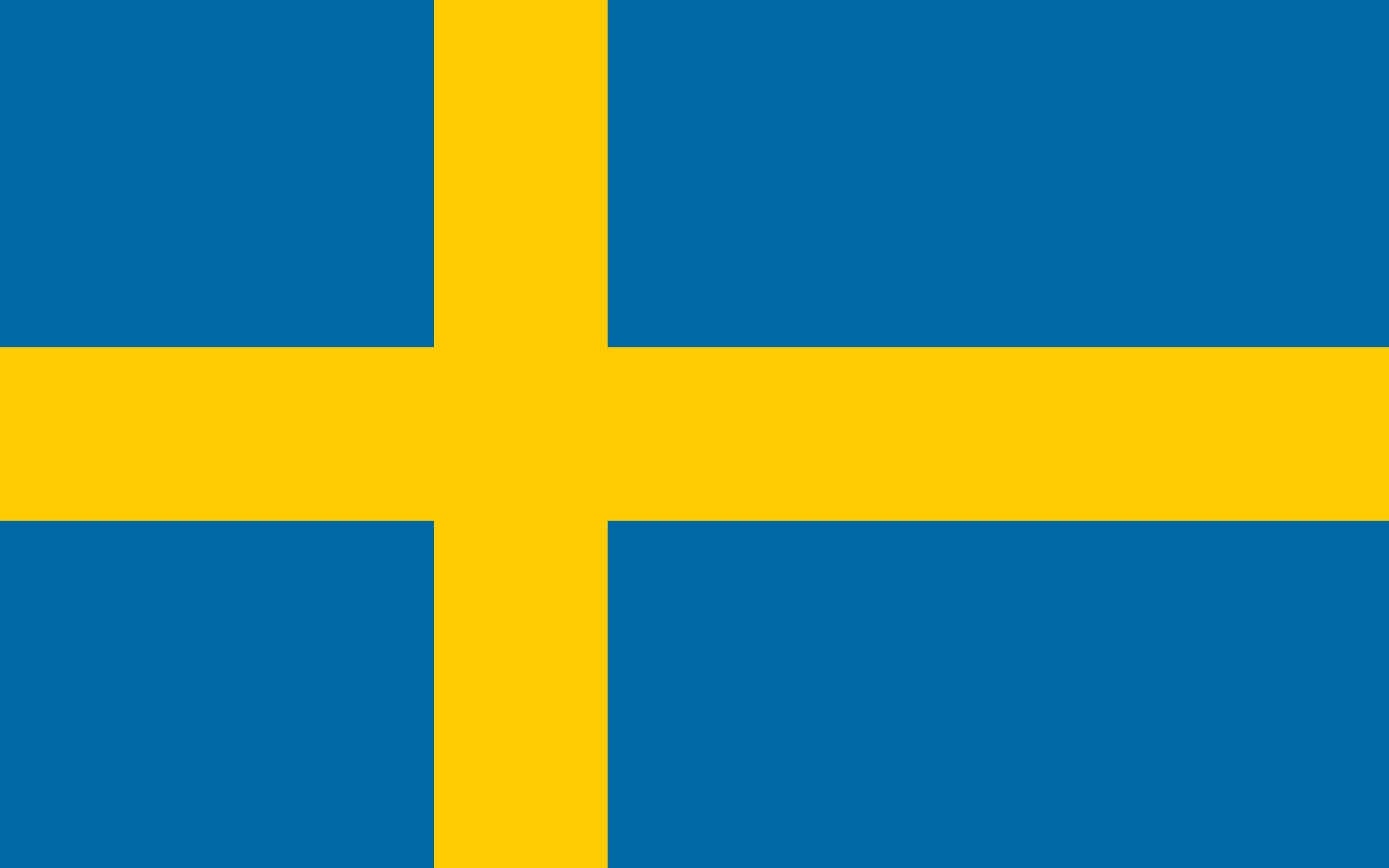
Good to know: The Swedish name Sverige means "realm of the Swedes". The yellow Nordic cross on the blue flag may come from the Swedish coat of arms.
Similar flags:DenmarkFinlandNorwayIcelandFaroe Islands
42
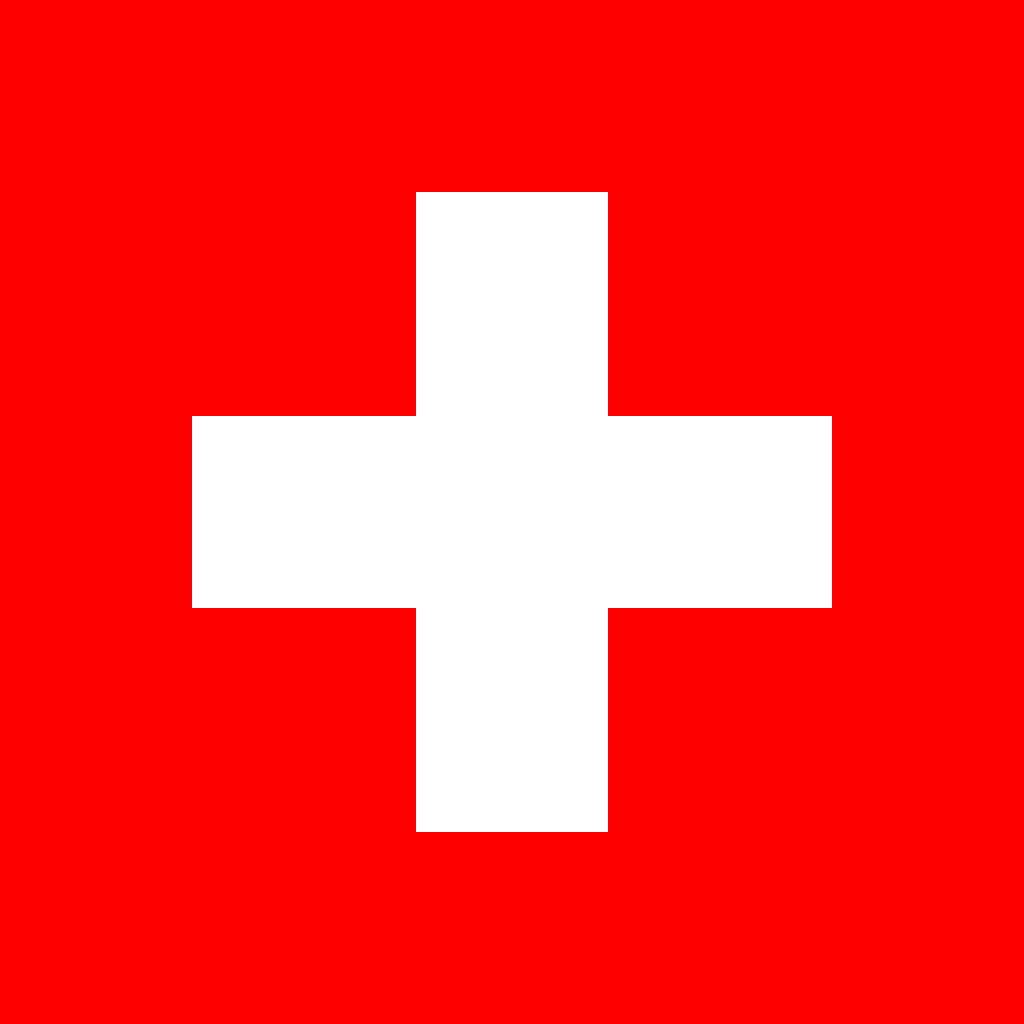
Switzerland
English name
Formal nameSwiss Confederation
Good to know: The country's abbreviation, CH, comes from the Latin Confoederatio Helvetica.
43
Ukraine
English name
Formal nameUkraine
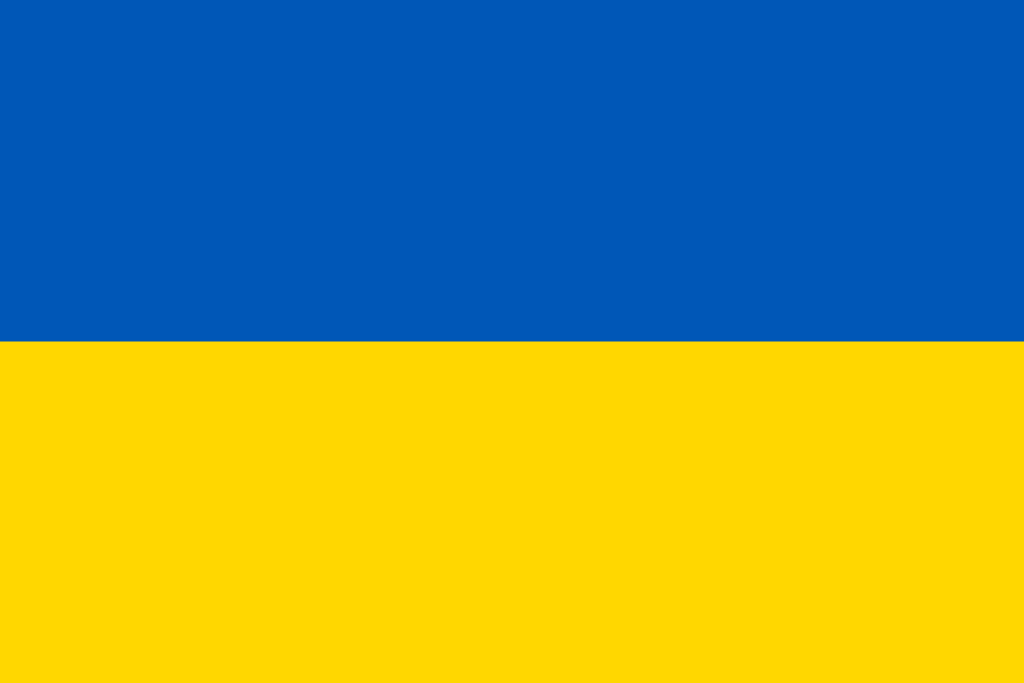
Good to know: The name has often been translated as "borderland", though its original meaning is debated. The blue-and-yellow flag was widely used during the 1917 independence movement, was officially adopted in 1918, and was restored for independent Ukraine in 1992.
44
United Kingdom
United Kingdom/ju.ˈnaɪ.tɪd ˈkɪŋ.dəm/English
English name
Formal nameUnited Kingdom of Great Britain and Northern Ireland
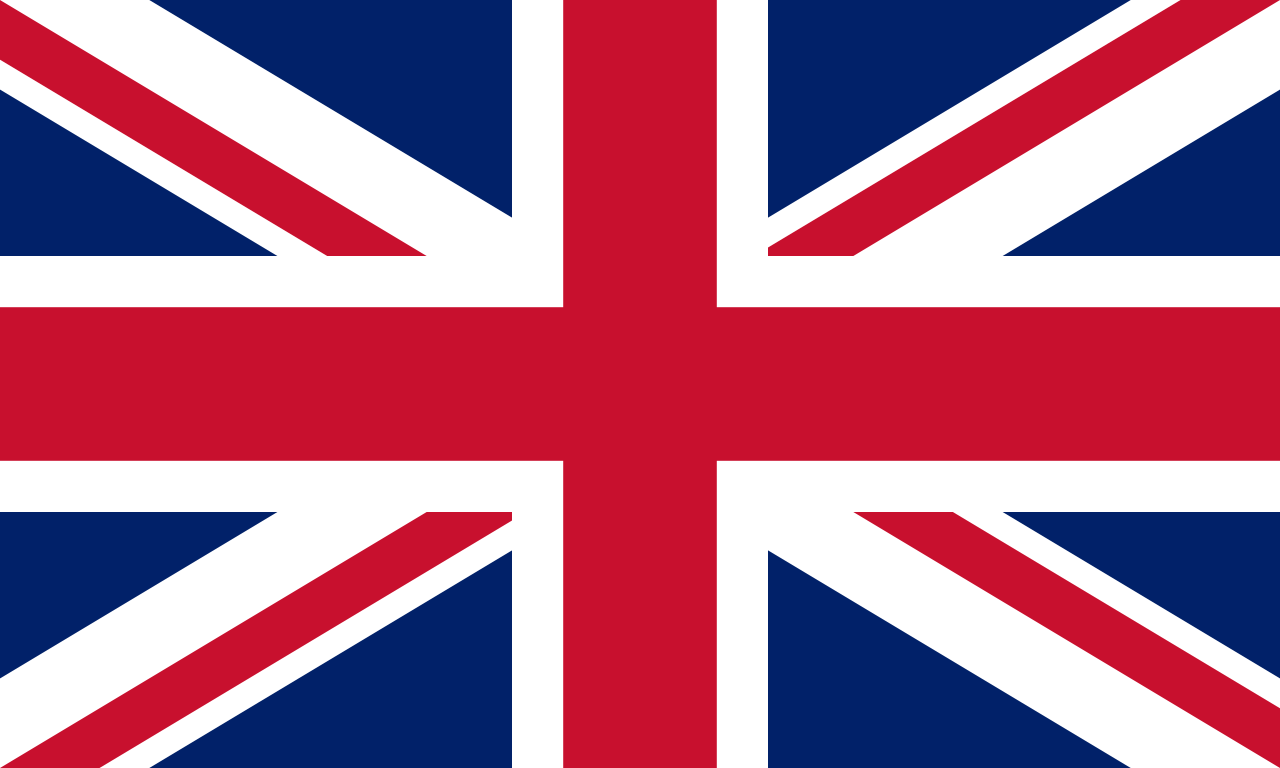
Good to know: The flag is commonly called the Union Flag or Union Jack. It combines the crosses of St George, St Andrew and St Patrick.
45
Vatican City
English name
Formal nameVatican City State
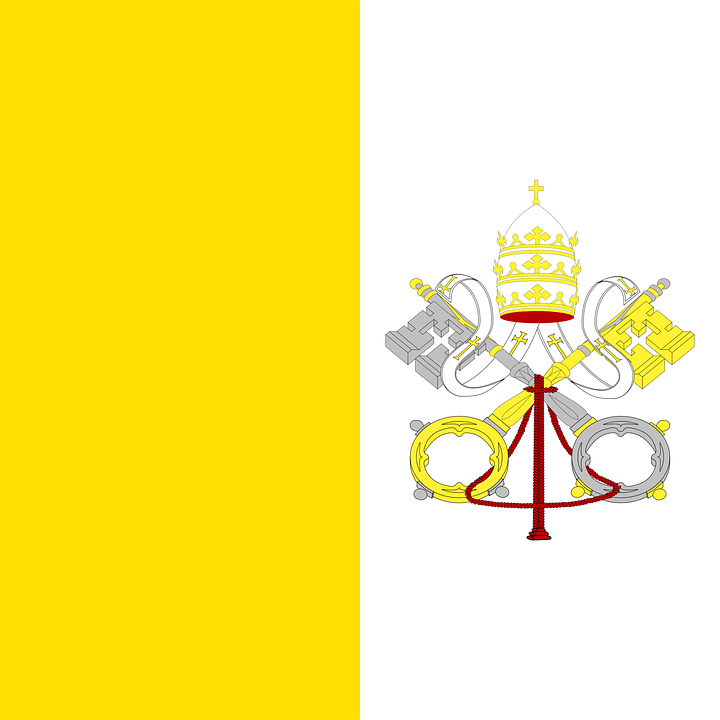
Good to know: It is named after Vatican Hill in Rome (Mons Vaticanus).
46
England
England/ˈɪŋ.ɡlənd/English
English name
Formal nameEngland
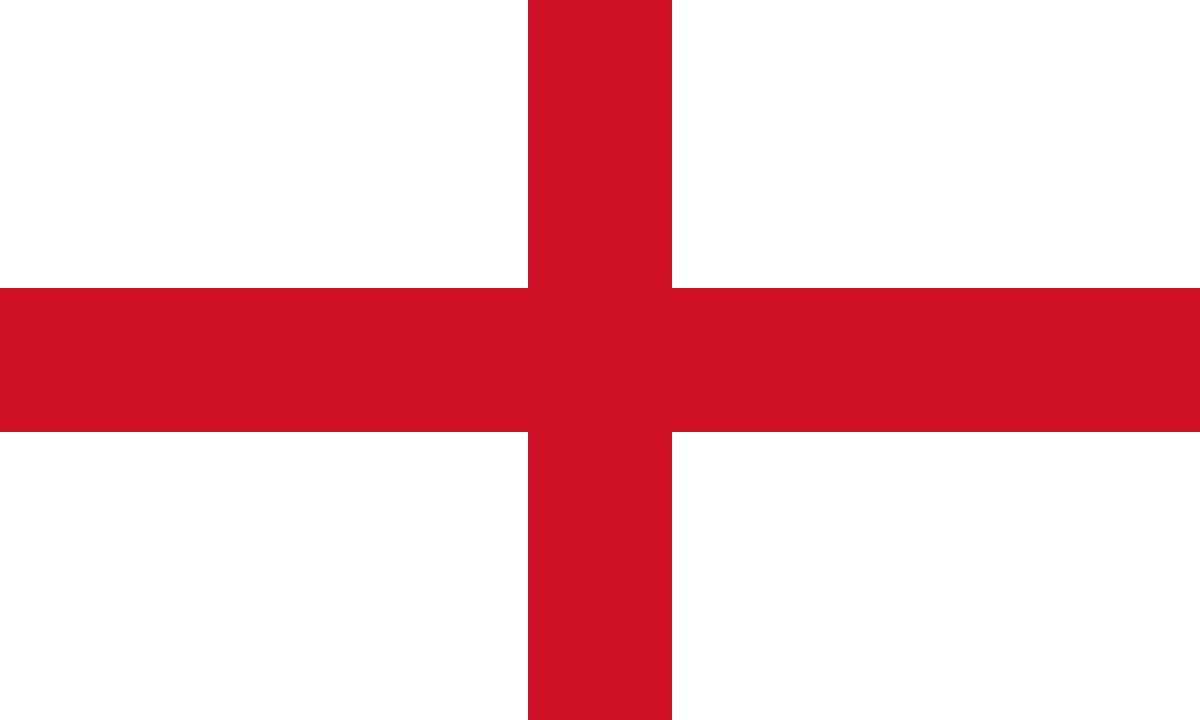
Good to know: The name comes from the Old English Englaland, "land of the Angles". The flag is the St George’s Cross, a red cross on a white field associated with England since the Middle Ages.
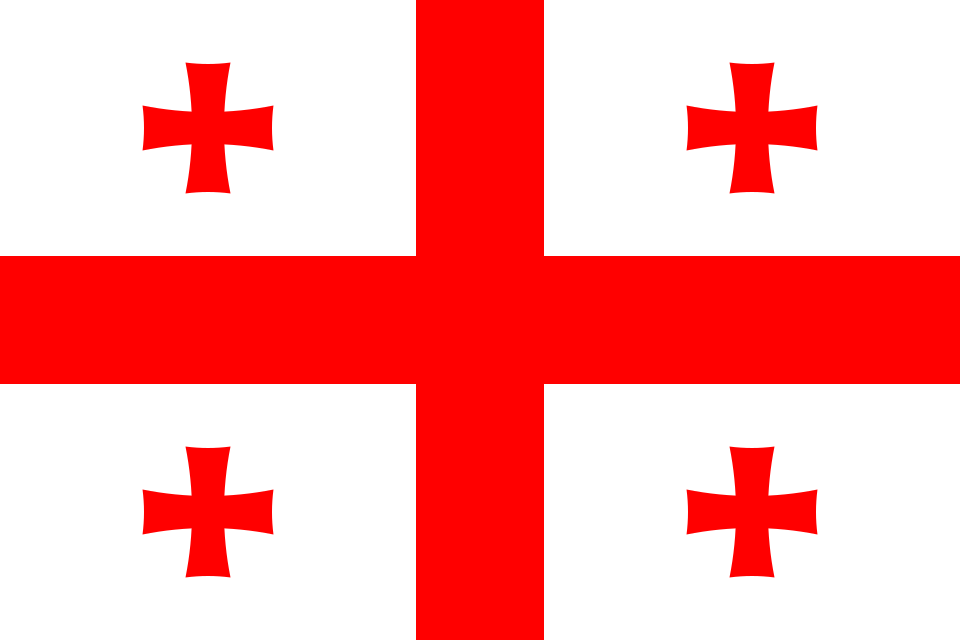
Similar flags:Georgia
47
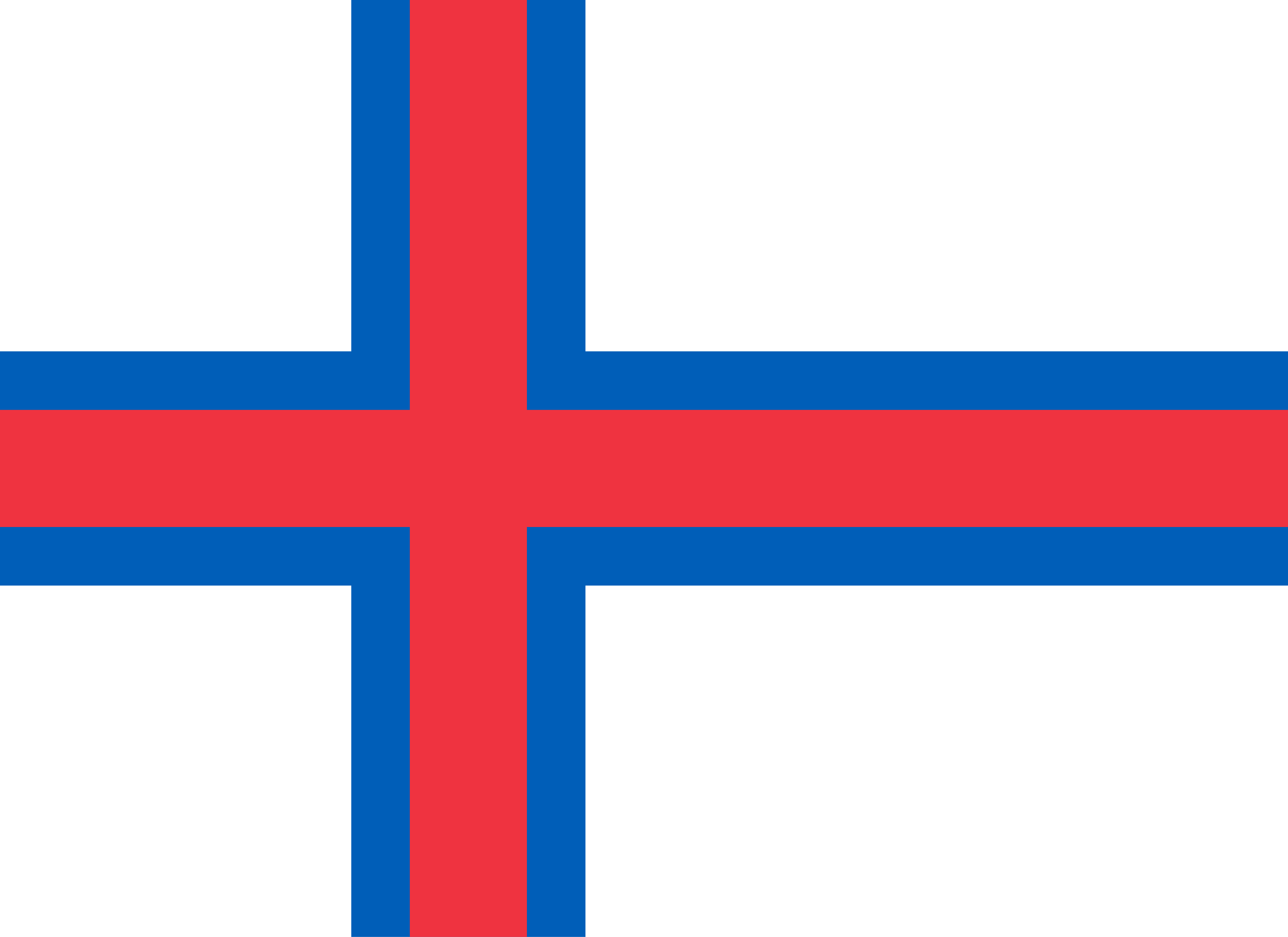
Faroe Islands
English name
Formal nameFaroe Islands
Good to know: The flag is called Merkið, “the banner”.
Similar flags:DenmarkIcelandNorwayFinlandSweden
48
Gibraltar
Gibraltar/dʒɪ.ˈbɹɒl.tə/English
English name
Formal nameGibraltar
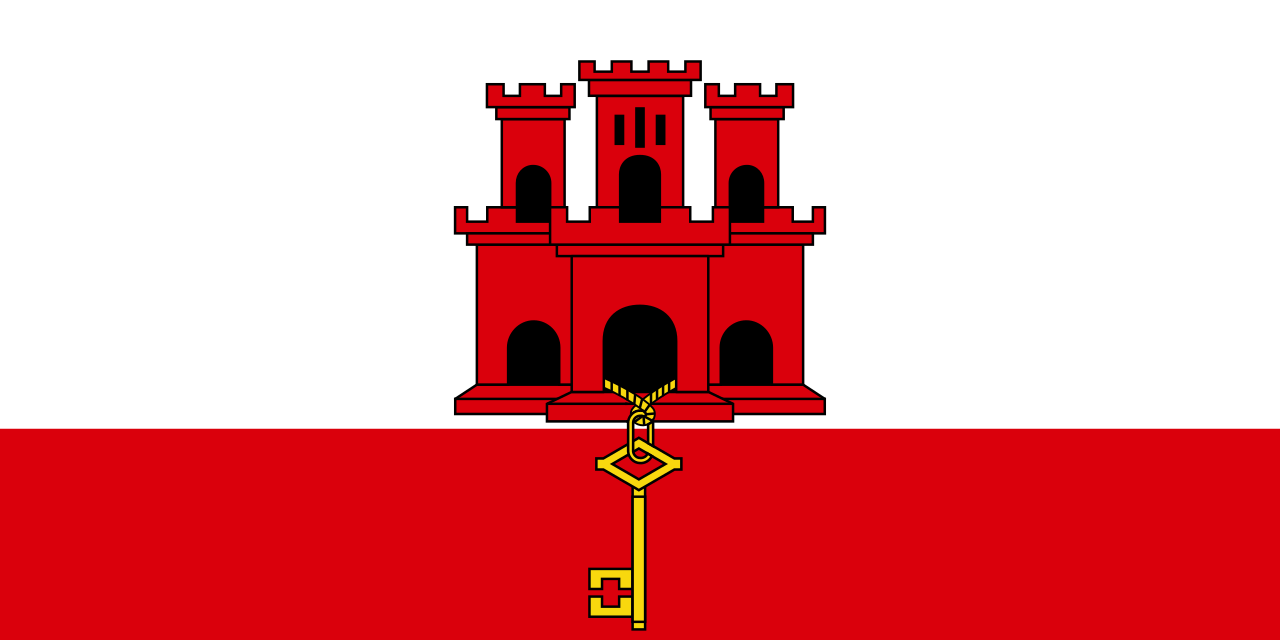
Good to know: The name comes from the Arabic Jabal Ṭāriq, "mountain of Tariq", after Tariq ibn Ziyad, who landed there in 711. The flag shows a castle with a key, said to symbolise the fortress as the "key to the Mediterranean".
49
Guernsey
Guernsey/ˈɡɜːn.zi/English
English name
Formal nameBailiwick of Guernsey
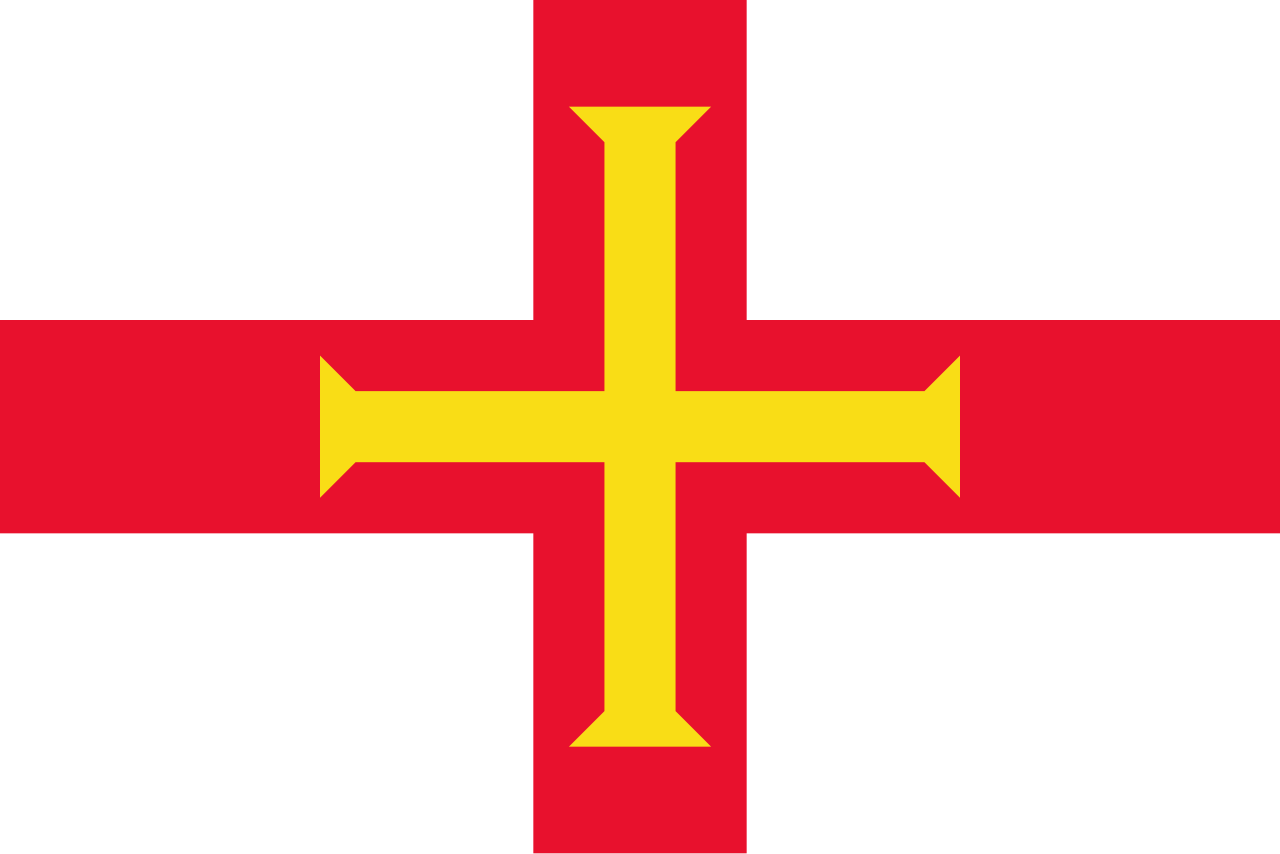
Good to know: The "-ey" in Guernsey comes from Old Norse for "island". The gold cross was added in 1985 to distinguish Guernsey’s flag from England’s; it refers to a banner associated with William the Conqueror.
50
Isle of Man
English name
Formal nameIsle of Man
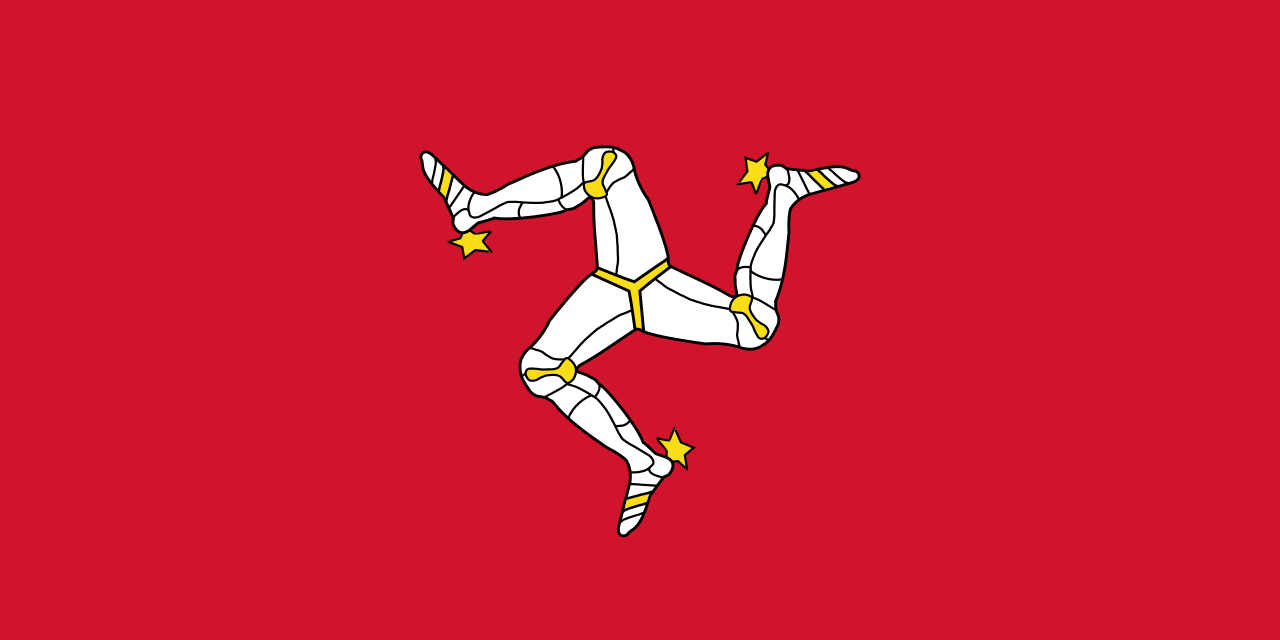
Good to know: The Latin motto "Quocunque Jeceris Stabit" means "Whichever way you throw it, it will stand".
51
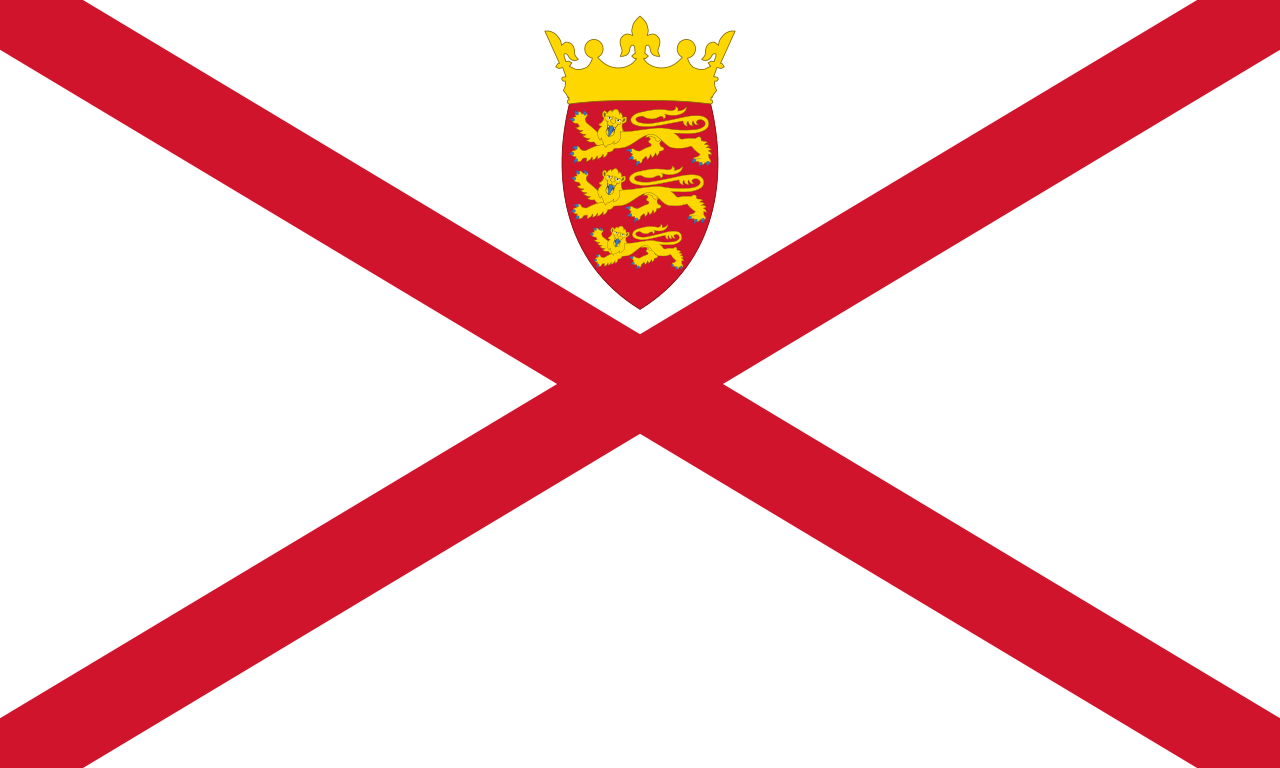
Jersey
Jersey/ˈdʒɜː.zi/EnglishJèrri/ʒɛ.ɾi/Jèrriais
English name
Formal nameBailiwick of Jersey
Good to know: Jersey is a self-governing Crown Dependency and is not part of the United Kingdom.
52
Kosovo
English name
Formal nameRepublic of Kosovo
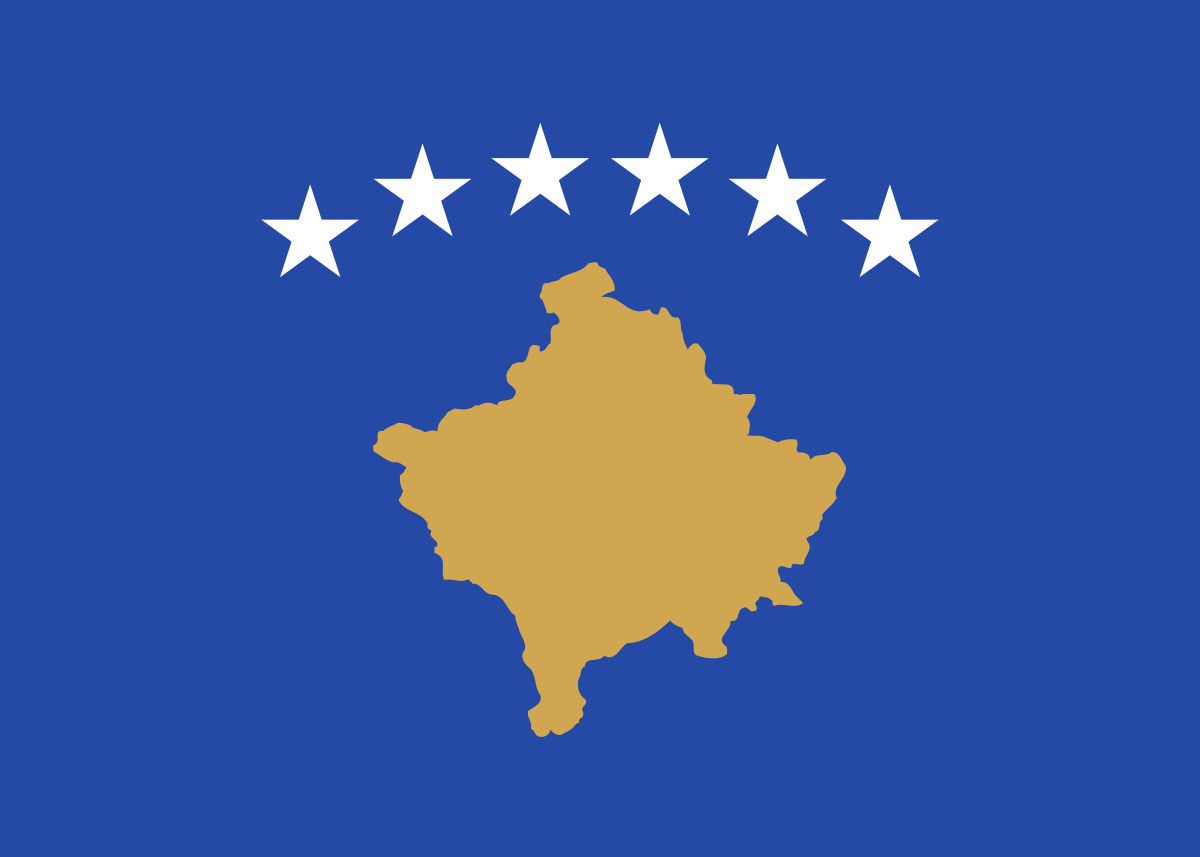
Good to know: The name comes from Serbian kos, “blackbird”, and Kosovo Polje, “Blackbird Field”. The flag has six stars for its main ethnic groups. Kosovo declared independence in 2008; Serbia still claims it, and not all countries recognize it.
Similar flags:CyprusBosnia and Herzegovina
53
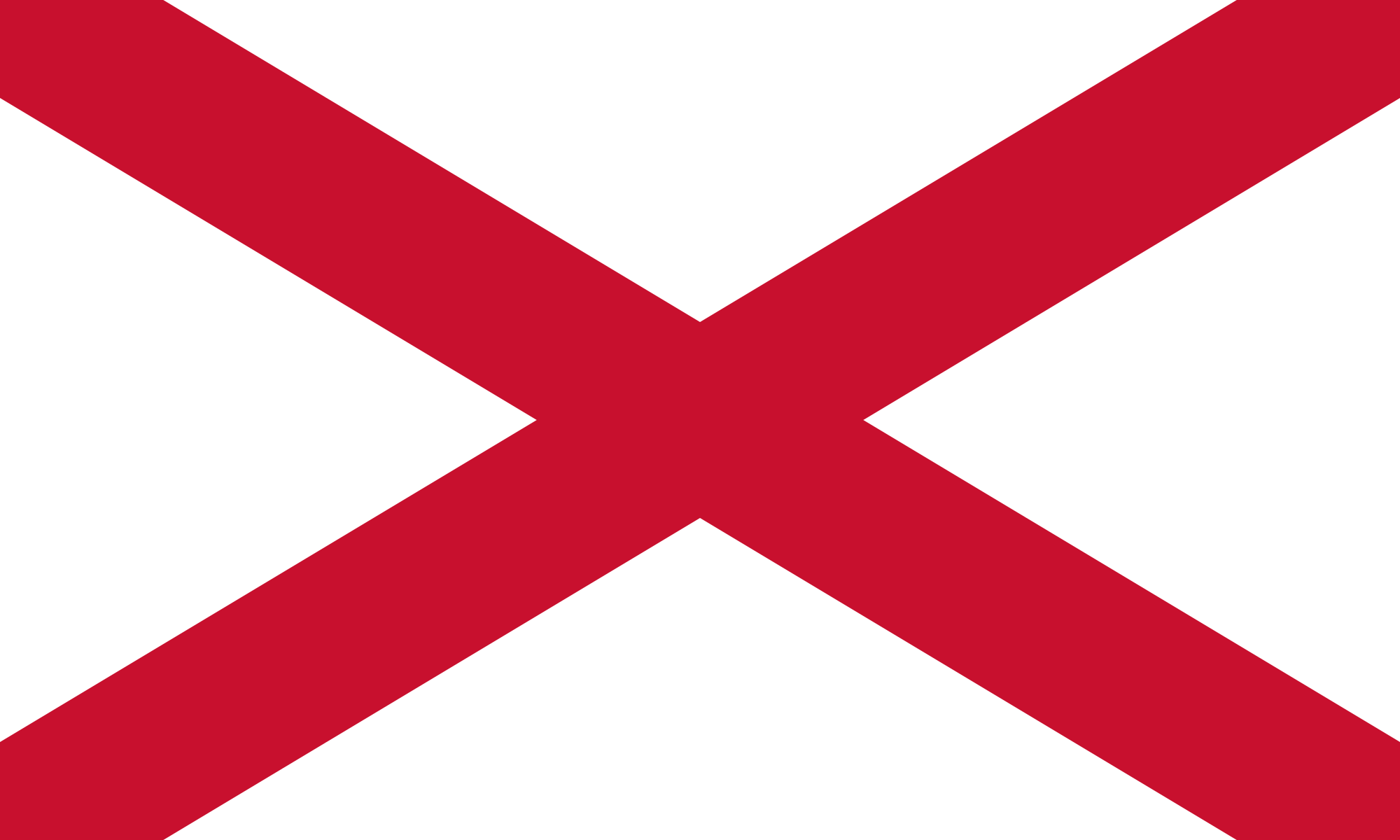
Northern Ireland
English name
Formal nameNorthern Ireland
Good to know: Northern Ireland has no separate official regional flag. The Union Flag is used for official purposes; the Ulster Banner shown here was used by its former government until that government was abolished in the early 1970s and has no official status today.
54
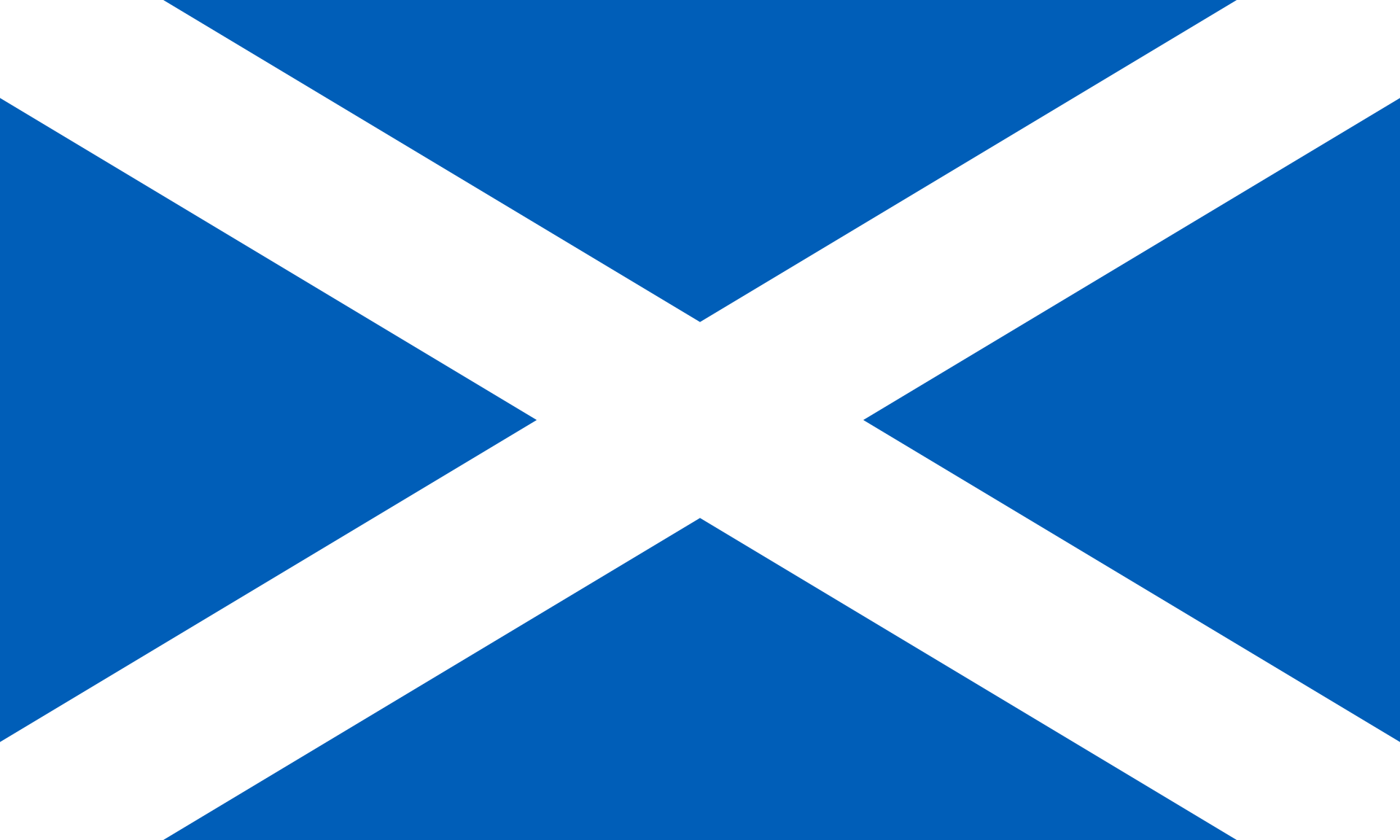
Scotland
Scotland/ˈskɒt.lənd/English
English name
Formal nameScotland
Good to know: "Scotland" comes from the Latin Scoti, a name for the Gaels. The Saltire depicts St Andrew’s cross. Tradition traces its origin to a battle in AD 832, but that story is legendary.
55
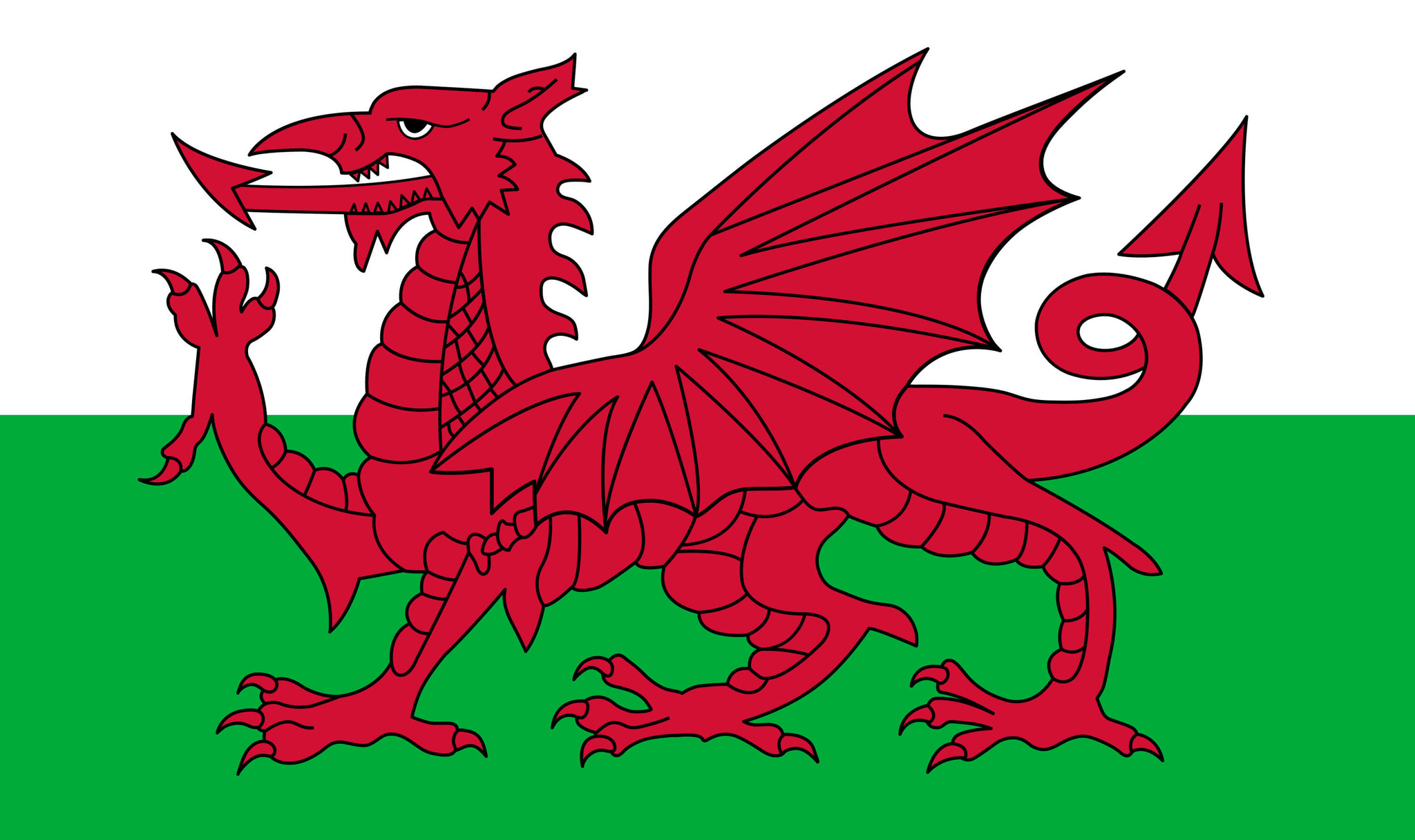
Wales
English name
Formal nameWales
Good to know: "Cymru" means "the land of fellow countrymen", while "Wales" comes from the Old English wealh, the Anglo-Saxon word for the Britons. The flag is called Y Ddraig Goch (“The Red Dragon”).
This selection contains 55 flags of Europe, ready to practice anytime.
🎮
Loading questions…
E
ENGAPLAY
EngaPlay — free English quizzes, lessons & multiplayer battles
🎮
ENGAPLAY
ENG·lish Arena & PLAY
⚡🎯🏆
🔥
0Day Streak
📊
0Questions Done
🎯
—Accuracy
1LVL
Beginner0 / 100 XP
✦ New Feature
Image Q&A — Snap & Solve
Upload any English question photo and get an instant AI answer.
📷
Choose a Quiz
BLOG
Loading…
MY APPS
🛠️ MAKE YOUR OWN QUIZ
🌍 PLAY QUIZZES MADE BY OTHER USERS
Loading quizzes…
ASSIGNMENTS
LIVE POLLS
What is Engaplay?
Engaplay is a free website for learning English through quizzes and games. Pick a topic such as grammar, vocabulary, idioms, reading comprehension or TOEFL practice, answer the questions and get instant feedback, including AI explanations. You can also play live multiplayer battles with friends or a whole class: Classic Battle, Time Attack, Turbo Race, Tower Defense, Answer Invaders and over twenty other game modes.
Teachers can write their own quizzes, share a room code and give assignments. Students can play as a guest, and signing in with Google or Discord is optional. Engaplay is made by Arena Edukasi Digital for learners in Indonesia and everywhere else.
Engaplay adalah situs gratis untuk belajar bahasa Inggris lewat kuis dan permainan. Pilih topik seperti grammar, kosakata, idiom atau latihan TOEFL, lalu mainkan battle multiplayer bersama teman atau satu kelas.
EngaPlay (also written Enga Play, website engaplay.com) is a free English-learning website by Arena Edukasi Digital: quizzes, games, AI feedback and live multiplayer battles for grammar, vocabulary, TOEFL prep and more. You can play as a guest. Signing in with Google or Discord is optional and only shares your name, email address and profile picture, to save your progress.
Upload a photo of an English question, passage, or exercise. Gemini Vision will analyze and explain it.
✦ AI Answer
Timer
1 / 4Correct: 0
Grammar › Verb Tenses
30
Loading…
✅ Correct!
🎉
Excellent!
Here's your score summary.
0/ 4
0Correct
0Wrong
0%Accuracy
⏱—Total Quiz Time
💬 Discussion
Sort by:
🦊
0/500
Loading…
Review
🎵 Sound & Music
🔊
Sound Effects
Correct, wrong & timer sounds
🎶
Background Music
Royalty-free tracks
Playing: Trivia Night
Volume
🔈🔊
Music Track
Build 32d7403b
🎨 Visual Settings
Font Size
AA
100%
Theme
Cursor Style
✨
Cursor Trail
A trail follows your mouse
Trail LengthMedium
Background Effect
Ambient animation behind the app
IntensityMedium
SizeMedium
Battle Mode Backgrounds
🔑 AI API Key
Use your own OpenRouter API key for the AI Tutor and Image Q&A, instead of this site's shared one — your own usage, your own bill. Leave the box empty to keep using the site's default key.
How to get an OpenRouter API key
Go to openrouter.ai and sign up (free) — Google sign-in works.
Click your profile icon (top right) → "Keys".
Click "Create Key", give it any name, and copy the key shown (starts with sk-or-v1-...).
Paste it in the box above and tap Save. That's it — no card required for free-tier models.
Other providers: Google AI Studio (Gemini key: AIza… or AQ.…) · Groq console (key: gsk_…). Never share a key with anyone or post it online — if you did, delete it there and make a new one.
AI English Tutor
Powered by Gemma AI
Hi! 👋 I'm your AI English tutor. Ask me anything or upload an image!
About
Community
🦊
Guest
@guest · Guest
⚠️ You're on a guest account. Register to save your comments & profile across devices.
Same question at the same time. Fast and right wins.
⚔️
Classic Battle
Kahoot-style! Everyone answers the same question. Score points, build streaks, climb the leaderboard. Single player or multiplayer (online).
💀
Elimination Quiz
Each round some players are out. Be right and fast — last one standing wins!
🛡️
Last Stand
Everyone faces the same question. Wrong answers cost lives — survive the longest!
⏱️
Own pace race
Overall time limit. Everyone plays at their own speed.
⏱️
Time Attack
Answer as many questions as possible before the clock runs out.
🏎️
Turbo Race
Right answers boost your car, wrong answers crash it into hazards and slow you down. Drive the farthest!
🎲
Snake & Ladder Quiz
Snakes & ladders! A correct answer lets you roll the dice. First to the finish wins — no score, just the race.
🎁
Treasure Hunt
Answer correctly to unlock a chest — gain points, steal from others, or trigger chaos!
🏃
Endurance
Play at your own pace with lives. Last one standing wins!
🕹️
Arcade with bonus rounds
Answer questions, then play a skill game for bonus points.
🍉
Fruit Rush
Get enough correct answers (no streak needed) to trigger a Bonus Round — catch falling fruit for points, grab the ⭐ for ×2, dodge the 💣 and the deadly ☠️!
🥁
Drum Beat
Answer questions; every few correct answers starts a 10-second drum bonus that gets faster each time!
🎹
Rhythm Keys
Answer questions, then play a rhythm round with 2-7 keys (4 by default): hit the falling notes and play a tune on the piano. You choose the keys!
👆
Tap the answer
Tap or shoot the right answer. A wrong pick removes that option: keep trying until you find the right one.
🔨
Quiz Mole
Moles pop out of holes holding the answers. Tap the right one before it hides!
🎣
Quiz Fishing
Fish swim by with the answers on them. Tap the right fish to catch it!
☄️
Meteor Smash
Meteors fall with the answers. Smash the right one before it lands!
🧼
Bubble Pop
Bubbles float up with the answers. Pop the right one!
🐸
Lily Pad Hop
Tap the right lily pad and the frog hops on it!
🚀
Rocket Launch
Launch the rocket that carries the right answer!
🍉
Fruit Slice
Slice the flying fruit with the right answer!
🏹
Balloon Archery
Answer balloons fly in every direction — aim your dart and pop the correct one before time runs out!
🧭
Move to the answer
You can't tap the answer: steer your character, ship or jumper into the right option.
🚀
Planet Pilot
Fly a spaceship through space, find the planet with the right answer and dodge the asteroids. Free, smooth flying!
👻
Maze Dash
Race to the correct answer box while dodging monsters — MCQ only!
👾
Answer Invaders
Your ship shoots the invaders by itself. Fly it into the right answer to pick it. Every correct answer gives you a new weapon or power-up.
🍄
Quiz Platformer
Hop across floating night islands with a jetpack bot! The answers are rune stones — bump the right one. Bounce on spiky jellies, collect stars.
🏗️
Strategy and building
Earn upgrades, defend your base or beat the boss.
💰
Quiz Cafe
Run your own cafe! Serve customers with every right answer, unlock dishes, hire baristas and decorate.
🗼
Tower Defense
Team up! Correct answers stop the enemies, wrong ones hit your base.
👹
Boss Battle
The whole class fights one boss. Correct answers hurt it, wrong ones hurt you.
👥
Team battles
Play in teams: your points are added to your team's score.
🤝
Team Classic
Teams compete on shared questions. First correct answer earns the point!
🏁
Team Race
Teams race the clock! Each member answers independently — total correct wins.
📷
Camera or special items
Needs a camera, cards or other items.
📷
Move & Choose (Camera)
Classroom game: students step left or right in front of the camera to answer. One device, no rooms.
📷
Scan Cards NEW
No phones needed! Students hold up a printed QR card and turn it to A / B / C / D — the teacher scans the whole class with the camera.
⚔️ Classic Battle
🤖
Single player
Challenge bots. Easy, Medium, or Hard difficulty.
🌐
Multiplayer (online)
Play live against real players. Create or join a room.
🤖 Single player setup
Category
Subcategory
Questions per round
Time per question
🤖 CPU Opponents' Skill
Only changes how many points the CPU players score. It does NOT make the game harder for you.
🤖 Number of CPU opponents
🌐 Online Battle
🏠
Create Room
Host a game and invite friends with a code.
🚪
Join Room
Enter a 6-digit code to join someone's game.
🏠 Create Room
Category
Subcategory
Questions
Time per question
🚪 Join Room
🦊
Playing as
Player
✏️ Edit
Enter Room Code
Ask the host for the 3-character code
Waiting Room
🦊
Playing as — tap to change name / icon
Player
✏️ Edit
Room Code
------
Share this 3-char code with friends to join
Players in room (0)
Waiting for host to start the game…
Q 1 / 4
✅ 0/0 answered
20
⭐ 0
🤖 0
CPU is thinking…
🏆
Final Results
⏱️ Time Attack
🤖
Single player
Race against bots. Your score is final correct answers.
🌐
Multiplayer (online)
Race live against real players. Create or join a room.
🤖 Time Attack — Single player
Category
Subcategory
Time Limit
Wrong Answer Penalty
🤖 CPU Opponents' Skill
Only changes how many points the CPU players score. It does NOT make the game harder for you.
🤖 Number of CPU opponents
🌐 Online Race
🏠
Create Room
Host a race and invite friends with a code.
🚪
Join Room
Enter a 3-character code to join someone's race.
🏠 Create Race Room
Category
Subcategory
Time Limit
Wrong Answer Penalty
0Correct
0Wrong
1:00
TIME LEFT
⏳ Wrong! Wait 3s…
⏳
Time's up!
Waiting for other players to finish…
0Correct
0Wrong
🏃 Endurance
🤖
Single player
Race CPU bots at your own pace using lives.
🌐
Multiplayer (online)
Create or join an Endurance room with real players.
🤖 Endurance — Single player
Category
Subcategory
Lives
Wrong Answer Penalty
🤖 CPU Opponents' Skill
Only changes how many points the CPU players score. It does NOT make the game harder for you.
🤖 Number of CPU opponents
🌐 Create Endurance Room
Category
Subcategory
Lives
Wrong Answer Penalty
0Correct
Q1Question
Lives
👻 You're eliminated — answers no longer count, but keep going for fun!
⏳ Wrong! Wait 3s…
🛡️ Last Stand
🤖
Single player
Face the same questions as CPU bots. Survive the longest!
🌐
Multiplayer (online)
Create a Last Stand room and fight with real players.
🤖 Last Stand — Single player
Category
Subcategory
Questions
Time per question
Lives per player
🤖 CPU Opponents' Skill
Only changes how many points the CPU players score. It does NOT make the game harder for you.
🤖 Number of CPU opponents
🌐 Create Last Stand Room
Category
Subcategory
Questions
Time per question
Lives per player
🤝 Create Team Classic
Category
Subcategory
Questions
Time per question
Number of teams
Team Battle Lobby
🦊
Playing as — tap to change name / icon
Player
✏️ Edit
Room Code
---
Share this 3-char code with your friends
Players (0)
Waiting for host to start the game…
🎁 Treasure Hunt
🤖
Single player
Play against CPU bots. Open chests, steal scores, cause chaos!
🏠
Multiplayer (online)
Host a Treasure Hunt. Share your room code with friends!
🤖 Treasure Hunt — Single player
Category
Subcategory
Time Limit
CPU opponents
🤖 CPU Opponents' Skill
Only changes how many points the CPU players score. It does NOT make the game harder for you.
🏠 Create Treasure Hunt Room
Category
Subcategory
Time Limit
0
⭐ Score
📦Answer correctly to earn a chest!
1:00
Time Left
🎁 Pick a chest!
✨
COMMON
Bonus!
+100 points
🍉 Fruit Rush
🤖
Single player
Rack up correct answers, then slice fruit in Bonus Rounds against bots.
🌐
Multiplayer (online)
Play live against real players. Create or join a room.
🤖 Fruit Rush — Single player
Category
Subcategory
Time Limit
Correct Answers to Trigger Bonus Round (total, not in a row)
Speed cap (the speed keeps rising by ×0.1 every bonus round until the cap)
🤖 CPU Opponents' Skill
Only changes how many points the CPU players score. It does NOT make the game harder for you.
🤖 Number of CPU opponents
🌐 Online Rush
🏠
Create Room
Host a rush and invite friends with a code.
🚪
Join Room
Enter a 3-character code to join someone's rush.
🏠 Create Rush Room
Category
Subcategory
Time Limit
Correct Answers to Trigger Bonus Round (total, not in a row)
Speed cap (the speed keeps rising by ×0.1 every bonus round until the cap)
0
🍉 Score
🎯Every correct answer counts — no streak needed — fill the meter to trigger a Bonus Round!
1:00
Time Left
Bonus in:⚪⚪⚪
🎉 BONUS ROUND!10
🍉
Final score: 0
Waiting for other players to finish…
🥁 Drum Beat
🤖
Single player
Rack up correct answers, then beat the drum in Drum Beat Bonus Rounds against bots.
🌐
Multiplayer (online)
Play live against real players. Create or join a room.
🤖 Drum Beat — Single player
Category
Subcategory
Time Limit
Correct Answers to Trigger a Drum Beat Bonus (total, not in a row)
Speed cap (the speed keeps rising by ×0.1 every bonus round until the cap)
🤖 CPU Opponents' Skill
Only changes how many points the CPU players score. It does NOT make the game harder for you.
🤖 Number of CPU opponents
⌨️ Keys
🌐 Online Drum Beat
🏠
Create Room
Host a rush and invite friends with a code.
🚪
Join Room
Enter a 3-character code to join someone's rush.
🏠 Create Rush Room
Category
Subcategory
Time Limit
Correct Answers to Trigger a Drum Beat Bonus (total, not in a row)
Speed cap (the speed keeps rising by ×0.1 every bonus round until the cap)
⌨️ Keys
0
🥁 Score
🎯Every correct answer counts — fill the meter for a Drum Beat Bonus!
1:00
Time Left
Bonus in:⚪⚪⚪
🥁 DRUM BEAT BONUS10
Tap DON for red notes and KA for blue ones as they reach the circle. Don't mash — a press that misses costs points and breaks your combo! Keys: F / J / Space = DON, D / K = KA.
🥁
Final score: 0
Waiting for other players to finish…
🎹 Rhythm Keys
🤖
Single player
Rack up correct answers, then beat the drum in Rhythm Keys Bonus Rounds against bots.
🌐
Multiplayer (online)
Play live against real players. Create or join a room.
🤖 Rhythm Keys — Single player
Category
Subcategory
Time Limit
Correct Answers to Trigger a Rhythm Keys Bonus (total, not in a row)
Number of keys
Most notes at once (a big number only makes a big chord possible, it stays rare)
Speed cap (the speed keeps rising by ×0.1 every bonus round until the cap)
🤖 CPU Opponents' Skill
Only changes how many points the CPU players score. It does NOT make the game harder for you.
🤖 Number of CPU opponents
⌨️ Keys
⌨️ Keys
🌐 Online Rhythm Keys
🏠
Create Room
Host a rush and invite friends with a code.
🚪
Join Room
Enter a 3-character code to join someone's rush.
🏠 Create Rush Room
Category
Subcategory
Time Limit
Correct Answers to Trigger a Rhythm Keys Bonus (total, not in a row)
Number of keys
Most notes at once (a big number only makes a big chord possible, it stays rare)
Speed cap (the speed keeps rising by ×0.1 every bonus round until the cap)
⌨️ Keys
0
🎹 Score
🎯Every correct answer counts — fill the meter for a Rhythm Keys Bonus!
1:00
Time Left
Bonus in:⚪⚪⚪
🎹 RHYTHM KEYS BONUS10
🎹
Final score: 0
Waiting for other players to finish…
🏹 Balloon Archery
🤖
Single player
Shoot the correct answer balloon while they float around — beat the bots!
🌐
Multiplayer (online)
Play live against real players. Create or join a room.
🤖 Balloon Archery — Single player
Category
Subcategory
Time Limit
Balloon Speed
🤖 CPU Opponents' Skill
Only changes how many points the CPU players score. It does NOT make the game harder for you.
🤖 Number of CPU opponents
🌐 Online Balloon Archery
🏠
Create Room
Host a shooting match and invite friends with a code.
🚪
Join Room
Enter a 3-character code to join someone's match.
🏠 Create Balloon Archery Room
Category
Subcategory
Time Limit
Balloon Speed
0
🏹 Score
🎯Drag to aim, release to fire a dart at the right balloon — they fly around, so lead your shot!
1:00
Time Left
Combo:—
Drag on the field to aim, release to shoot. Darts bounce off the walls — bank a shot around balloons in your way. Keys: ← → aim, Space shoot. A right balloon = 100 points + a streak bonus (+20 for every right answer in a row, up to +200): 300 at most, no speed bonus. A wrong balloon pops, costs 25 points (never below 0) and resets your streak, but you keep shooting until you hit the right one. If only the right balloon is left, it is shown and the next question comes.
🏹
Final score: 0
Waiting for other players to finish…
🏎️ Turbo Race
🤖
Single player
Answer to speed up, dodge the crashes, and out-drive the bots!
🌐
Multiplayer (online)
Race live against real players. Create or join a room.
🤖 Turbo Race — Single player
Category
Subcategory
Time Limit
🎮 Game Difficulty: crash strength (how much a wrong answer slows you)
🤖 CPU Opponents' Skill
Only changes how many points the CPU players score. It does NOT make the game harder for you.
🤖 Number of CPU opponents
🏠 Create Turbo Race Room
Category
Subcategory
Time Limit
🎮 Game Difficulty: crash strength (how much a wrong answer slows you)
Fly your ship, dodge the asteroids, find the right planet — beat the bots!
🌐
Multiplayer (online)
Fly live against real players. Create or join a room.
🤖 Planet Pilot — Single player
Category
Subcategory
Time Limit
🎮 Game Difficulty: asteroids (how many there are; every hit costs 1 point)
🤖 CPU Opponents' Skill
Only changes how many points the CPU players score. It does NOT make the game harder for you.
🤖 Number of CPU opponents
🏠 Create Planet Pilot Room
Category
Subcategory
Time Limit
🎮 Game Difficulty: asteroids (how many there are; every hit costs 1 point)
0
🚀 Points
🪐Fly into the planet with the right answer. Wrong planet = −6. Dodge the asteroids!
1:00
Time Left
Streak:—
Drag to fly · or WASD / arrows
🏁
You scored 0 points
Planets found: 0
Waiting for other players to finish…
📷 Scan Cards
Category
Subcategory
Number of questions
Your class
Cards
Hold the device upright, 2–4 m from the cards, and sweep slowly. Cards must be big in the picture, flat and well lit. Tap a student below to set an answer by hand.
👻 Maze Dash
🤖
Single player
Dodge monsters and race to the right answer against bots.
🌐
Multiplayer (online)
Play live against real players. Create or join a room.
🤖 Maze Dash — Single player
Category
Subcategory
Maze Dash is MCQ only — questions with a different number of options are automatically skipped.
Time Limit
🎮 Game Difficulty
This changes the game itself. Start with 1 / 2 / 3 / 4 / 5 ghosts. Every 10 correct answers add 1 more ghost (up to 10).
🤖 CPU Opponents' Skill
Only changes how many points the CPU players score. It does NOT make the game harder for you.
🤖 Number of CPU opponents
🌐 Online Dash
🏠
Create Room
Host a dash and invite friends with a code.
🚪
Join Room
Enter a 3-character code to join someone's dash.
🏠 Create Dash Room
Category
Subcategory
Maze Dash is MCQ only — questions with a different number of options are automatically skipped.
Time Limit
🎮 Game Difficulty
This changes the game itself. Start with 1 / 2 / 3 / 4 / 5 ghosts. Every 10 correct answers add 1 more ghost (up to 10).
 Montenegro
 Romania
 Chad
 Moldova
 Latvia
 Germany
 Kosovo
 Hungary
 Russia
 Serbia
 Slovakia
 Slovenia
 Sweden
 Norway
 Finland
 Faroe Islands
 Iceland
 Italy
 Argentina
 Uruguay
 Ivory Coast
 India
 Mexico
 Haiti
 Netherlands
 Paraguay
 Indonesia
 Poland
 Georgia
 EngaPlay (also written Enga Play, website engaplay.com) is a free English-learning website by Arena Edukasi Digital: quizzes, games, AI feedback and live multiplayer battles for grammar, vocabulary, TOEFL prep and more. You can play as a guest. Signing in with Google or Discord is optional and only shares your name, email address and profile picture, to save your progress.