1
Chef

“The chef prepared a delicious meal.”
Good to know: 'Chef' comes from the French phrase 'chef de cuisine', meaning 'chief of the kitchen'.
Thirty jobs that keep daily life running, from the restaurant kitchen to the construction site.
Trade and Service Jobs in English: 30 common jobs, from chefs and farmers to electricians and bus drivers, in one free vocabulary list. Every word includes American and British pronunciation with audio, a photo, and an example sentence, useful for ESL students learning to talk about occupations.
“The chef prepared a delicious meal.”
Good to know: 'Chef' comes from the French phrase 'chef de cuisine', meaning 'chief of the kitchen'.

“The waiter brought us our drinks.”
Good to know: The gender-neutral term 'server' is now often used instead of 'waiter' or 'waitress' in American English.
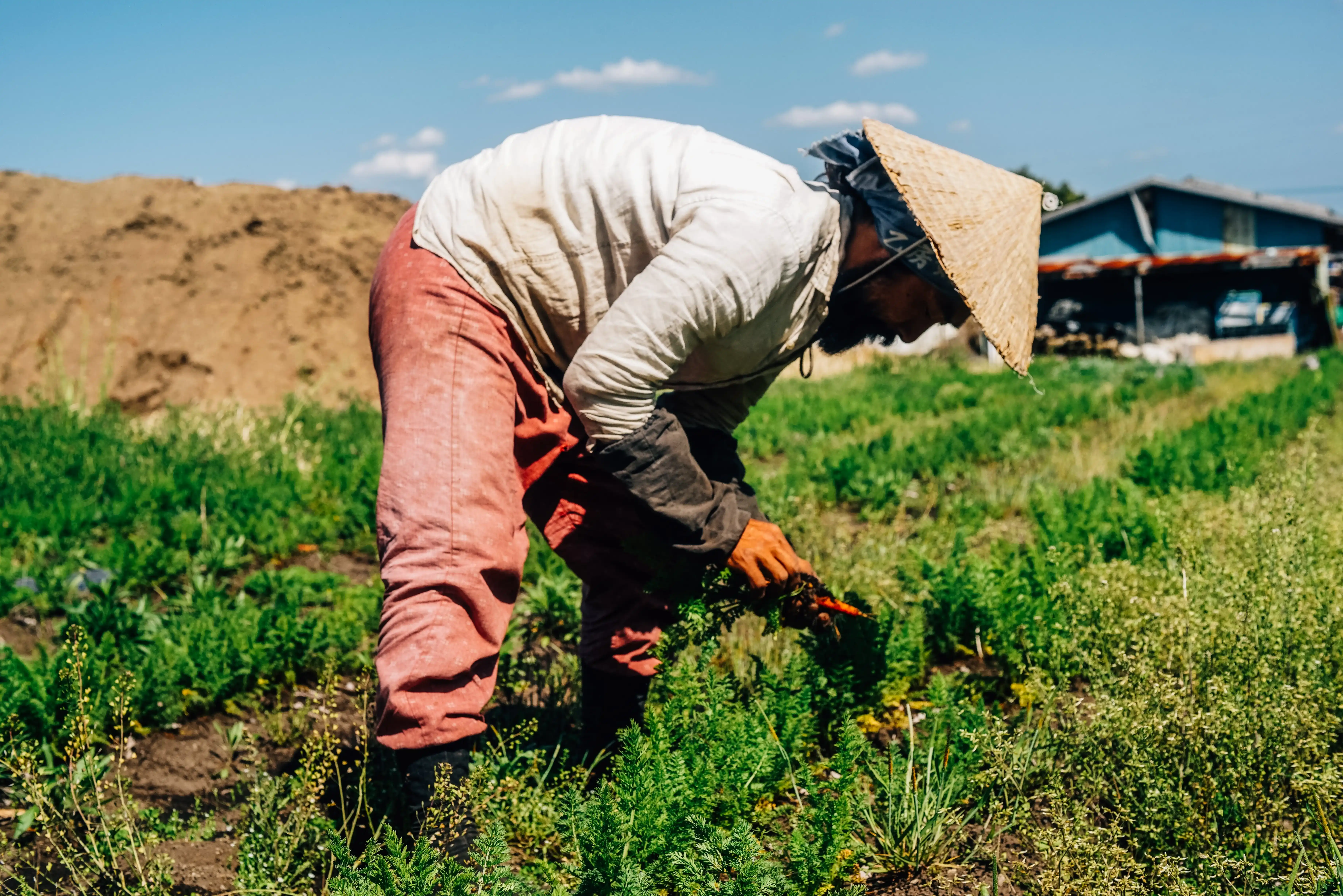
“The farmer grows rice on his land.”
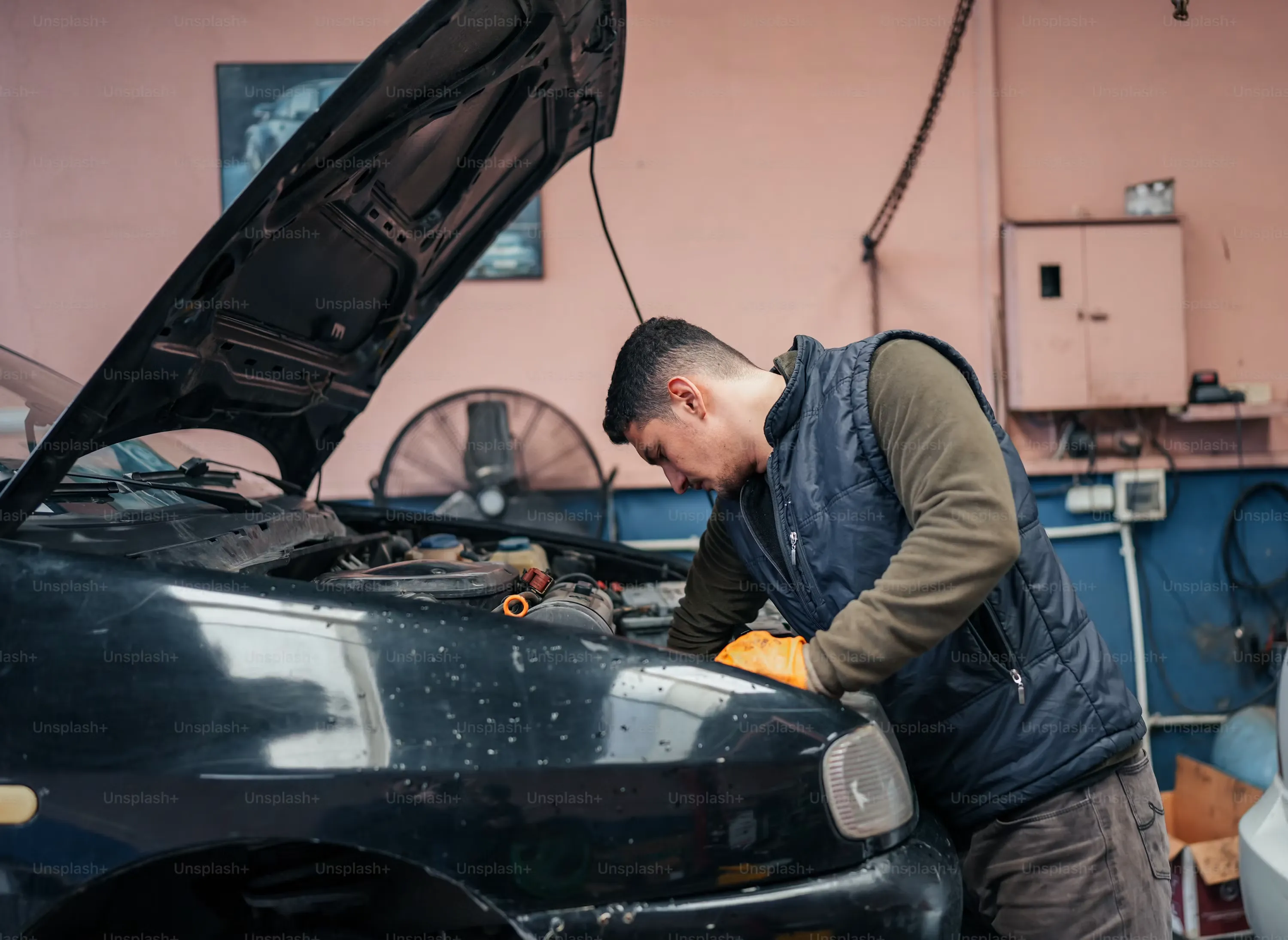
“The mechanic fixed my car.”
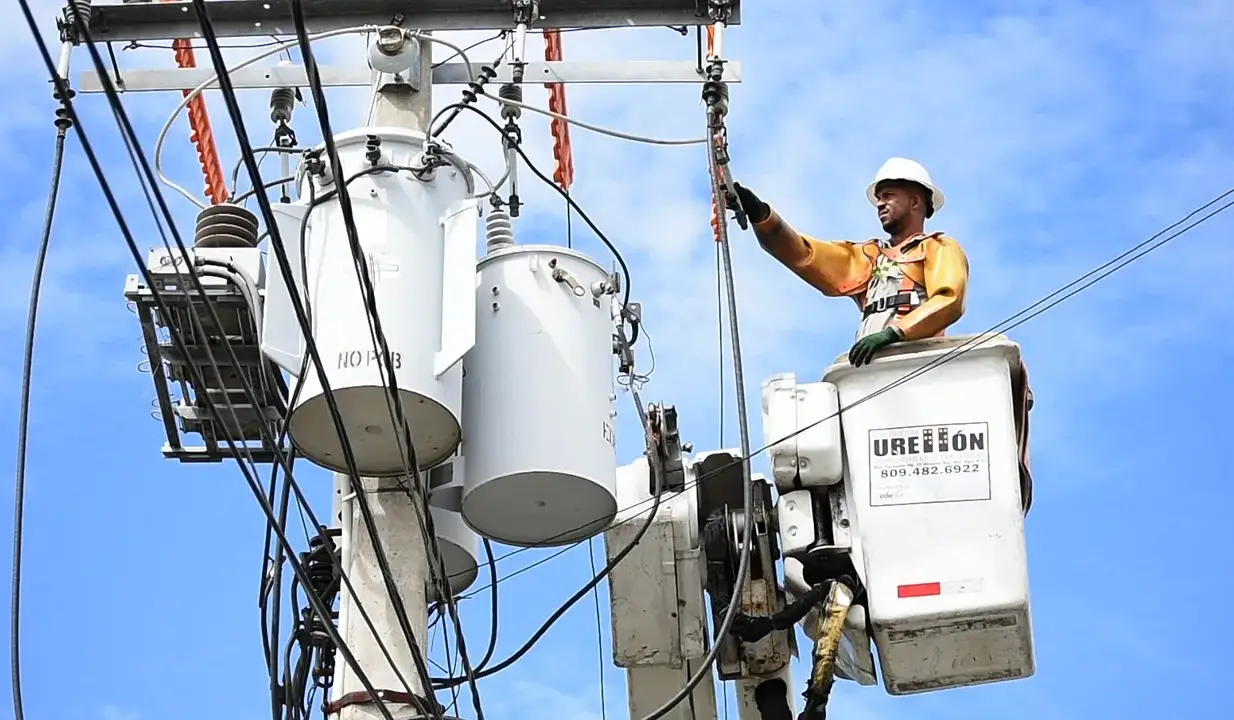
“The electrician repaired the broken light.”
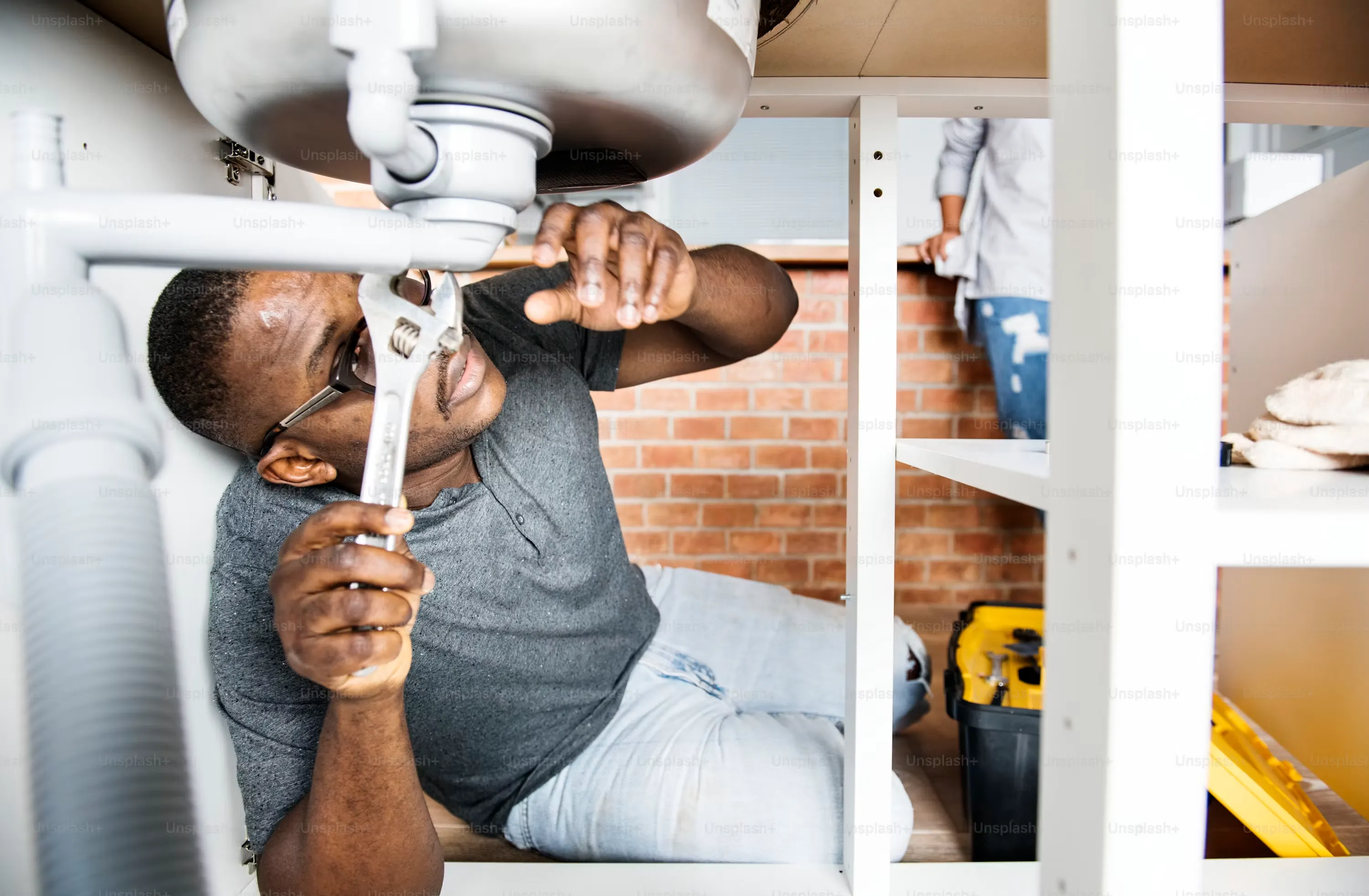
“The plumber fixed the leaking pipe.”
Good to know: 'Plumber' comes from the Latin word 'plumbum', meaning lead, since old pipes were made of lead.

“The baker makes fresh bread every morning.”
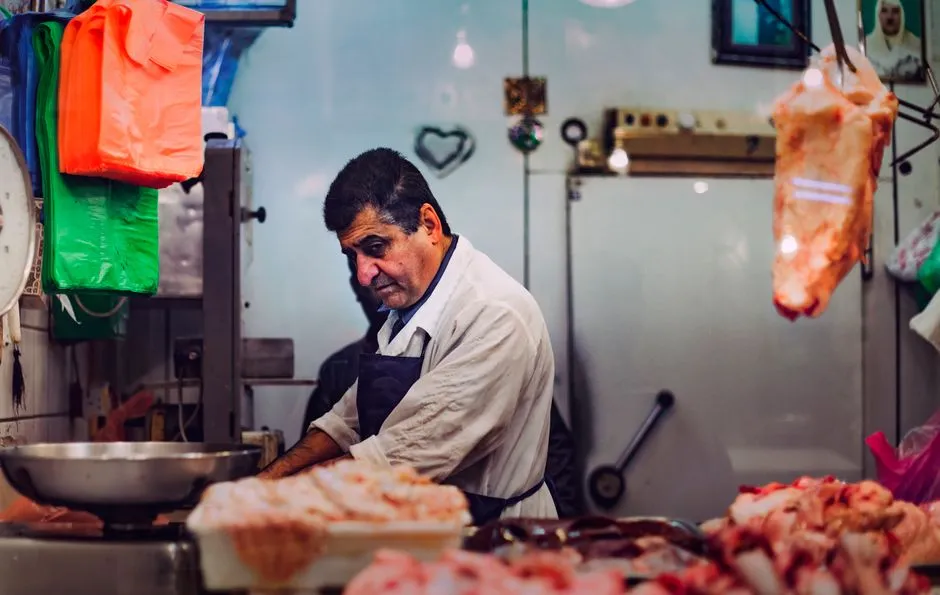
“The butcher cut the meat into small pieces.”
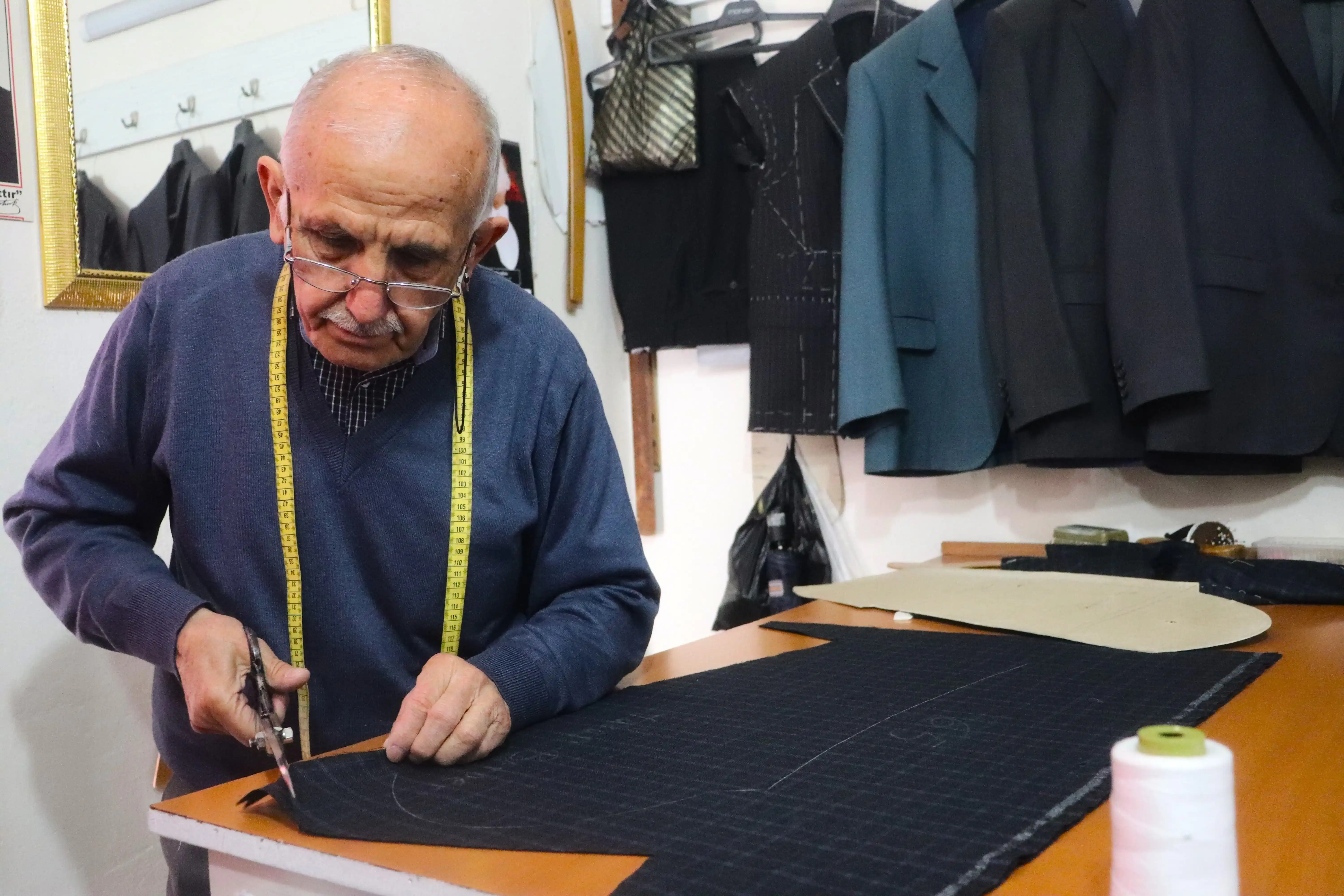
“The tailor changed the size of my jacket.”
Good to know: 'Tailor' comes from the French word 'tailler', meaning 'to cut'.

“The carpenter built a wooden table.”

“The painter painted the walls white.”

“The security guard checked our bags.”

“The receptionist welcomed us at the hotel.”
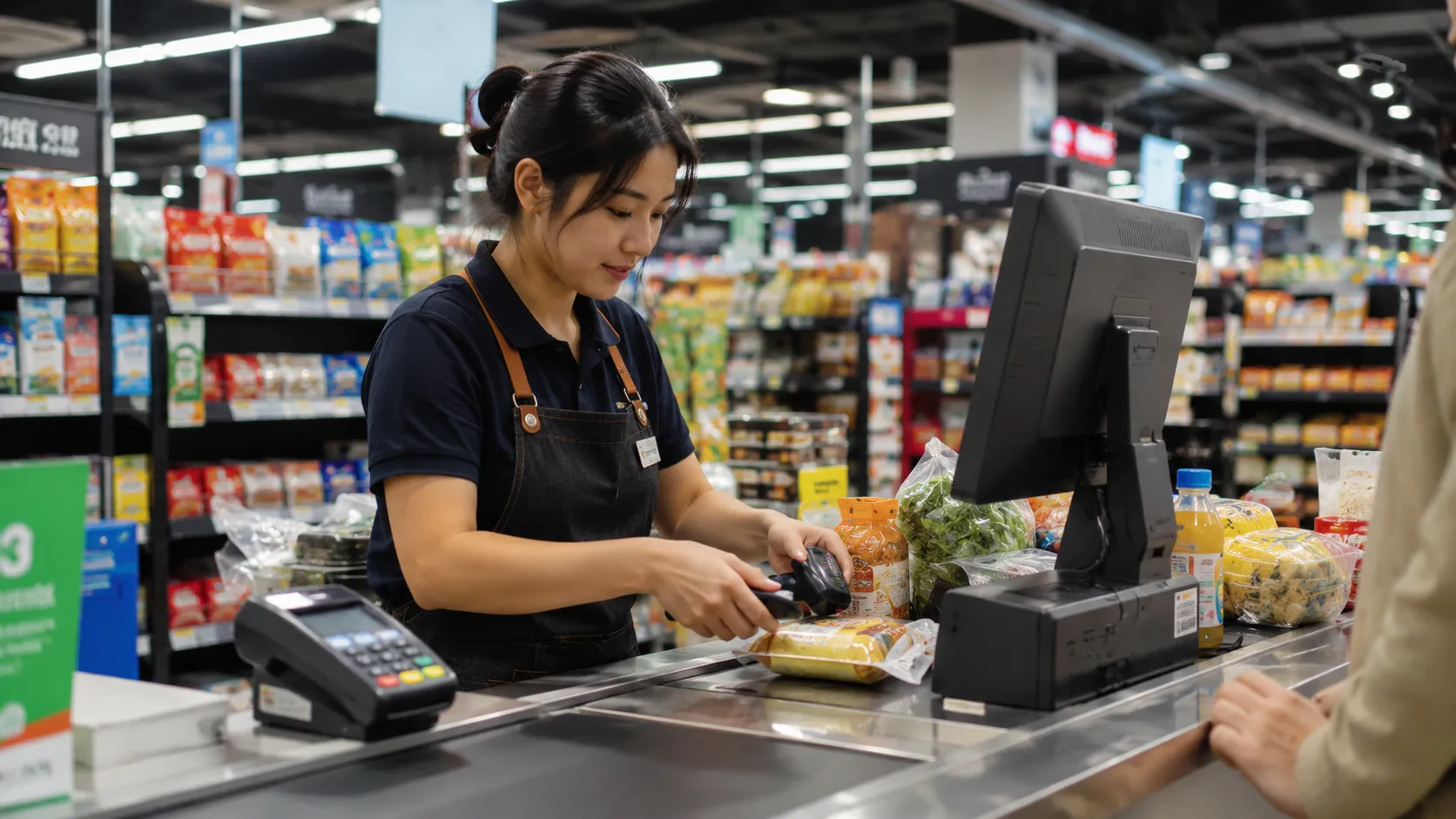
“The cashier gave me my change.”

“The hairdresser cut my hair yesterday.”
Good to know: Often confused with a 'barber': a hairdresser typically works with all hair types and styles, while a barber traditionally focuses on men's haircuts and shaves.

“The barber gave my brother a short haircut.”

“The flight attendant brought me some water.”
Good to know: Previously called 'stewardess' (female) or 'steward' (male); 'flight attendant' is now the standard gender-neutral term.
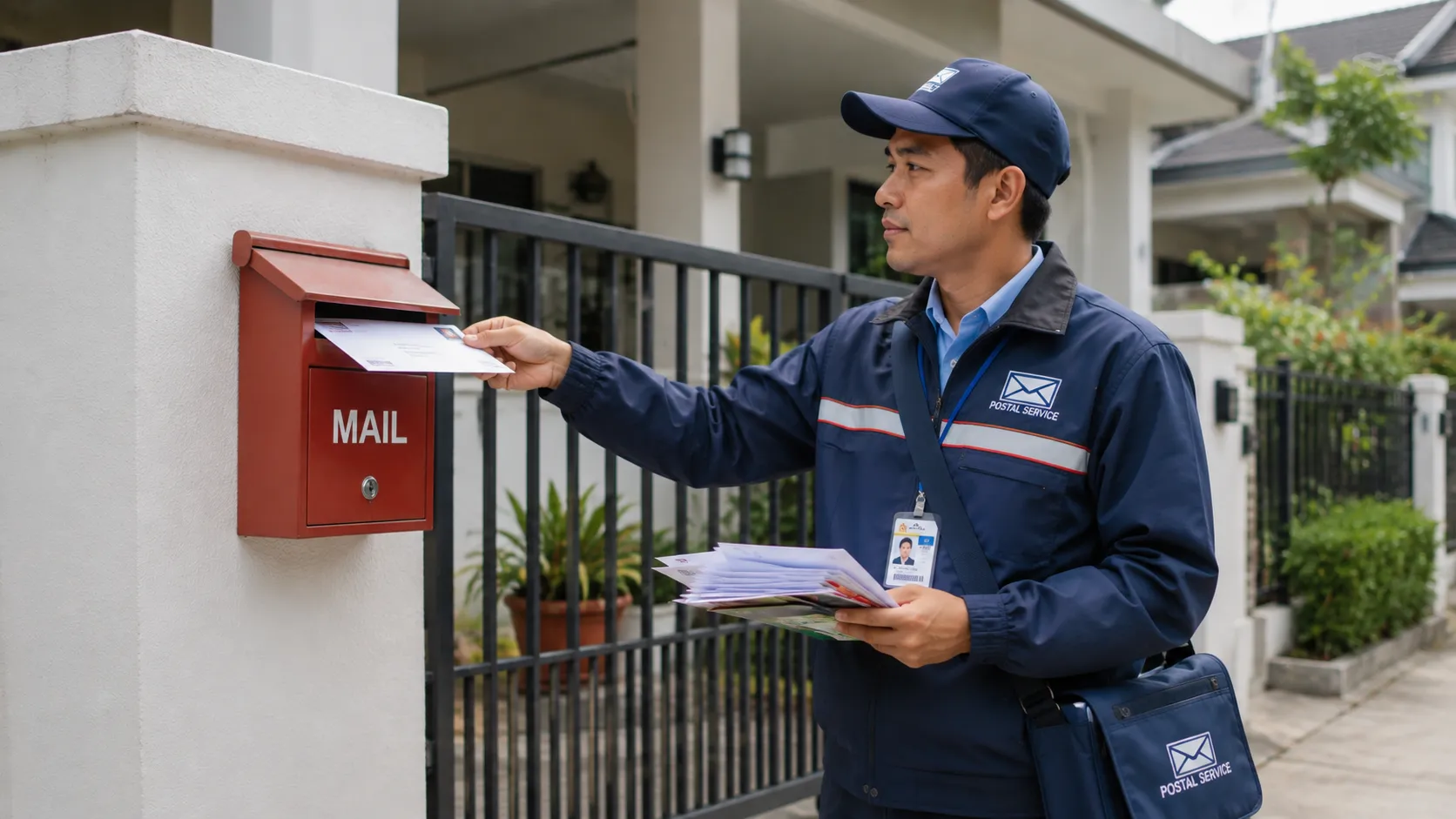
“The mail carrier delivered a package this morning.”
Good to know: Called a 'postman' or 'postwoman' in British English, and often 'mailman' informally in American English.

“The construction worker was wearing a hard hat.”
Good to know: Often called a 'builder' in British English.
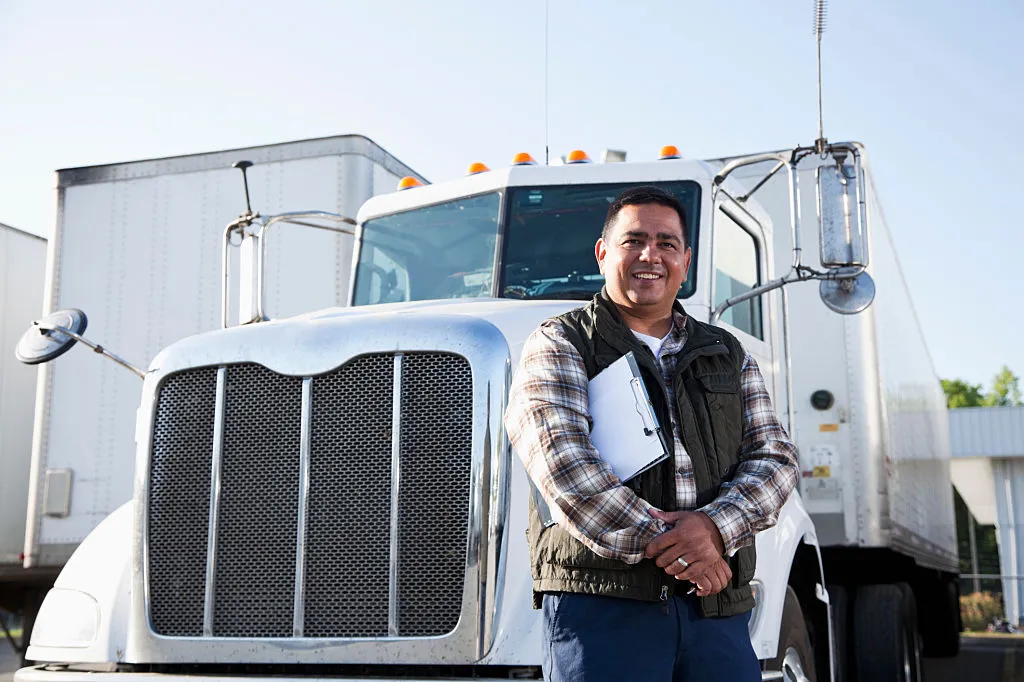
“The truck driver delivered the boxes.”
Good to know: Called a 'lorry driver' in British English, since trucks are called 'lorries' there.

“The fisherman went out to sea early.”

“The bus driver stopped near my house.”
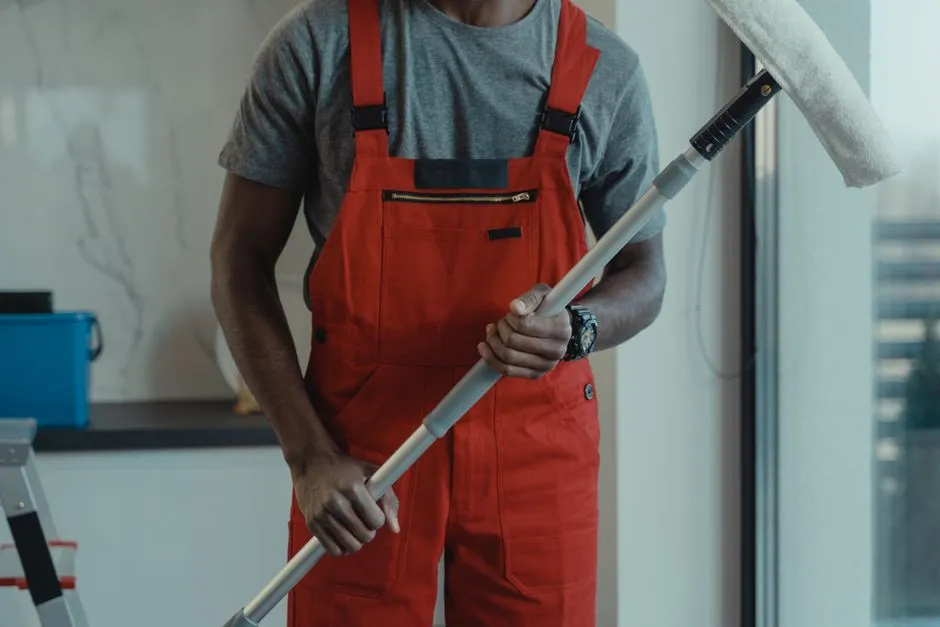
“The janitor cleaned the school hallway.”
Good to know: Often called a 'caretaker' or 'cleaner' in British English. The word itself comes from Janus, the Roman god of doorways and transitions.
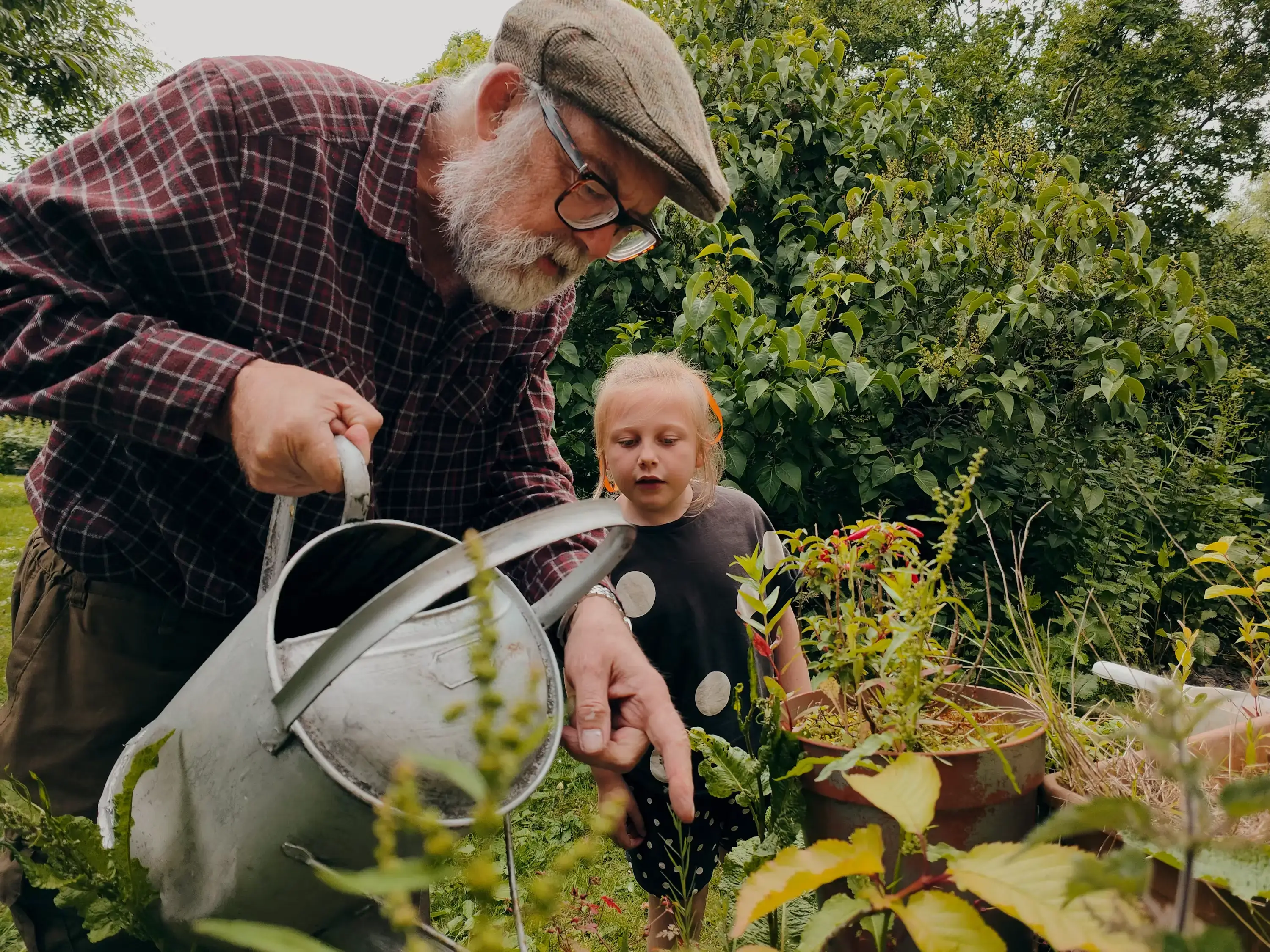
“The gardener planted some flowers.”

“The barista made me a hot latte.”
Good to know: 'Barista' comes from Italian, originally referring to a bartender who also served coffee.

“The coach encouraged the team before the game.”
Good to know: Different from 'referee', who enforces the rules during a match, while a coach trains and directs the team.
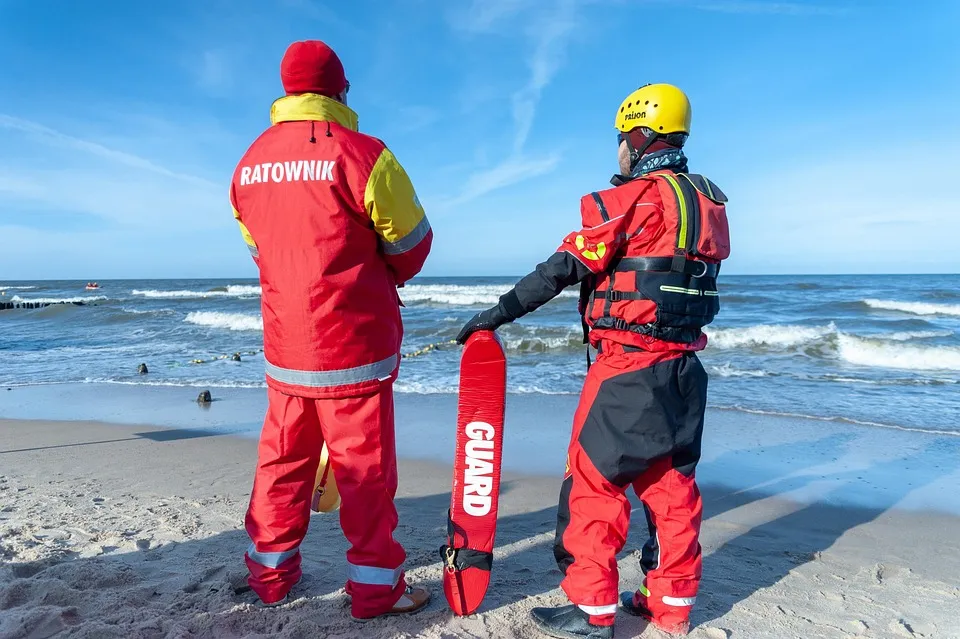
“The lifeguard watched the swimmers carefully.”
Good to know: Different from 'security guard', who protects property and people rather than watching over swimmers.
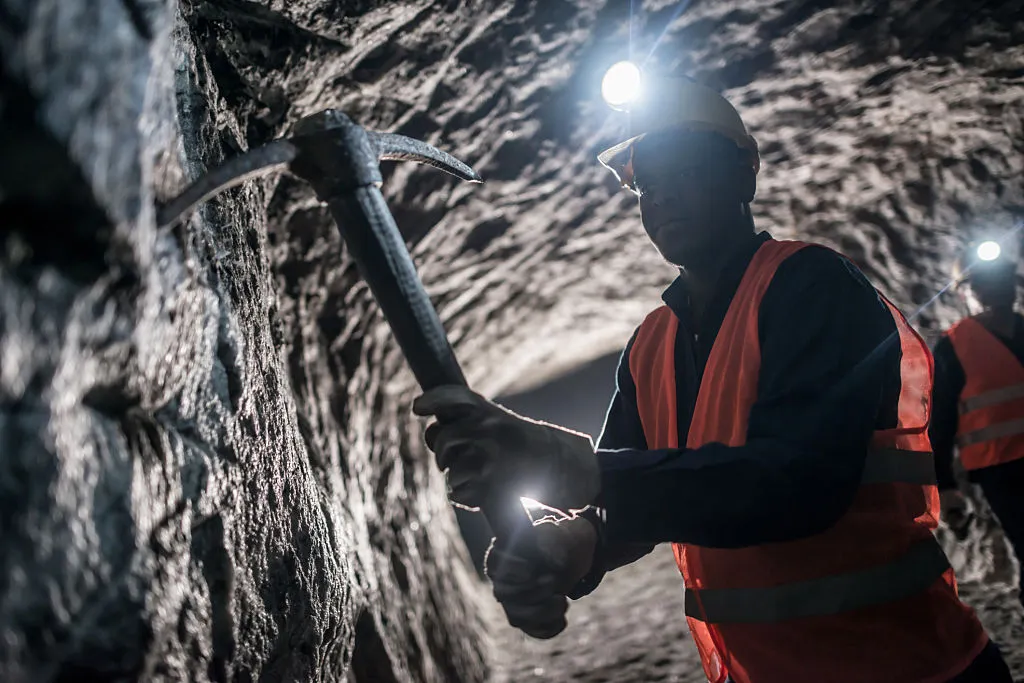
“The miner worked deep underground.”
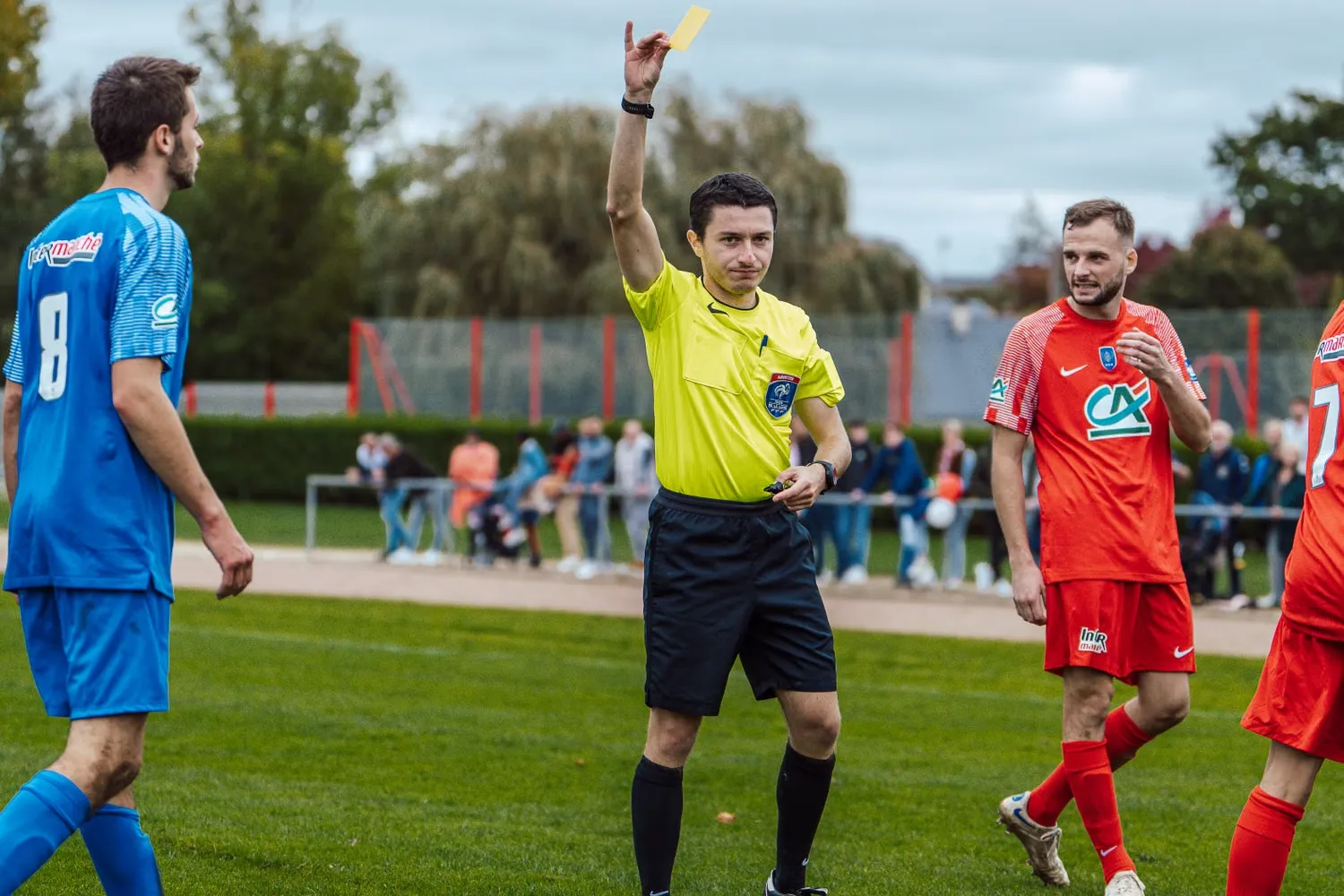
“The referee blew the whistle.”
Good to know: Different from 'judge', who decides legal cases in court rather than enforcing the rules of a game.
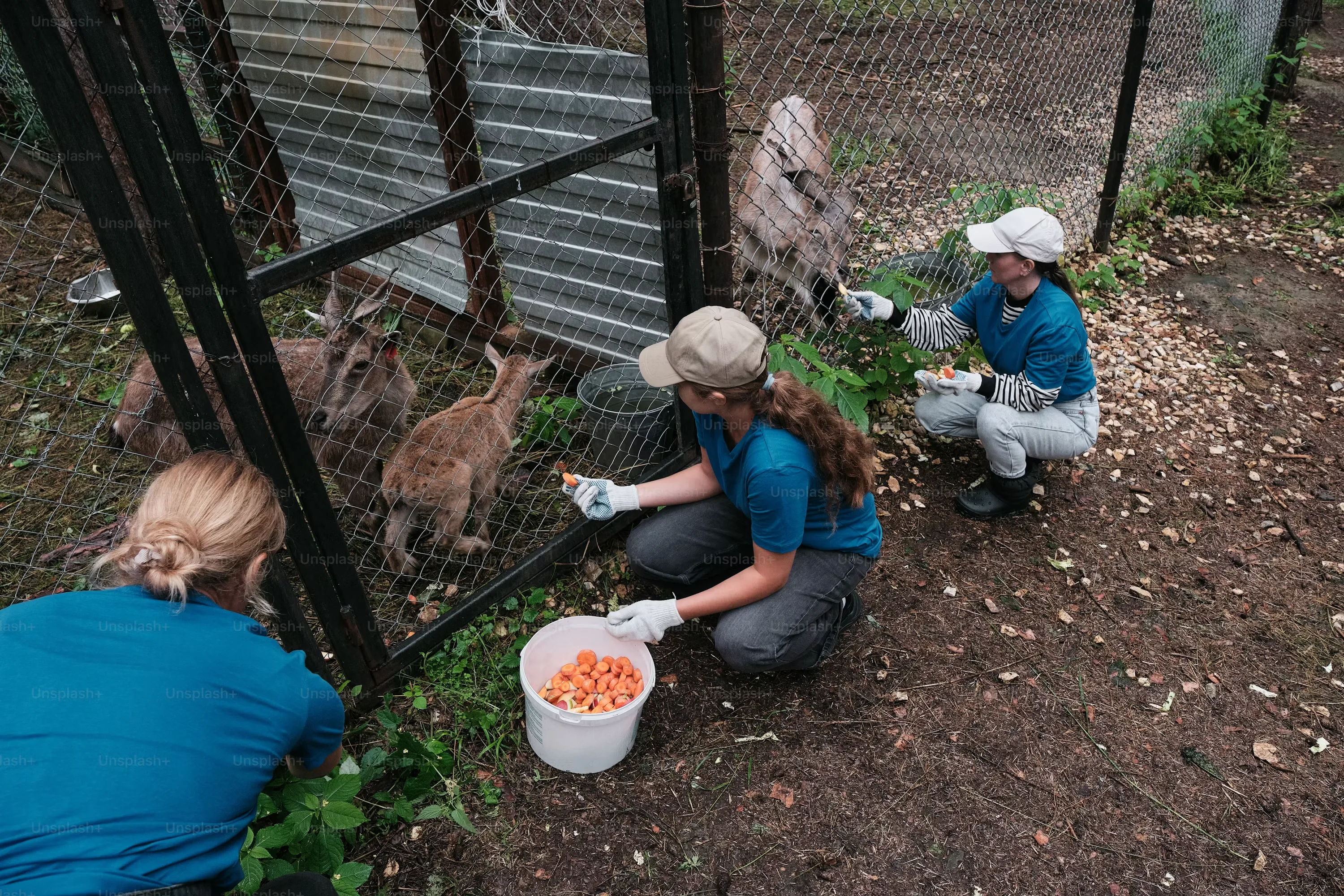
“The zookeeper fed the animals in the morning.”
Good to know: Different from a 'veterinarian', who treats animals medically, while a zookeeper handles their daily care and habitat.
Thirty jobs down — you've now covered this full list of Trade and Service Jobs in English.
Upload any English question photo and get an instant AI answer.
Upload a photo of an English question, passage, or exercise. Gemini Vision will analyze and explain it.
Here's your score summary.
Powered by Gemma AI